
What Is the Best Tattoo Care Routine for Fresh Ink?
Tattoo care starts as soon as you leave the chair. The design may look clean and sharp, but the skin is still sore, warm, and easy to irritate. A simple routine is usually better than using too many products at once. If you want a basic step-by-step plan, this tattoo aftercare guide can help you stay with the main points without doing too much.
Good aftercare matters because tattoos are common, personal, and often expensive. Pew Research Center reported in August 2023 that 32% of U.S. adults have a tattoo, based on a July 2023 survey of 8,480 adults, and 24% of tattooed adults said they regret at least one tattoo. The business point is plain enough: careful healing is part of protecting work that is meant to stay on the skin for years. (pewresearch.org)
Why Does Fresh Tattoo Care Matter So Much?
A new tattoo is art, but the body treats it like an injury. The first few days are not the time to test heavy creams, scented lotions, or advice from a comment section. Clean habits give the skin a better chance to close, settle, and keep the design clear.
A Tattoo Starts as a Skin Wound
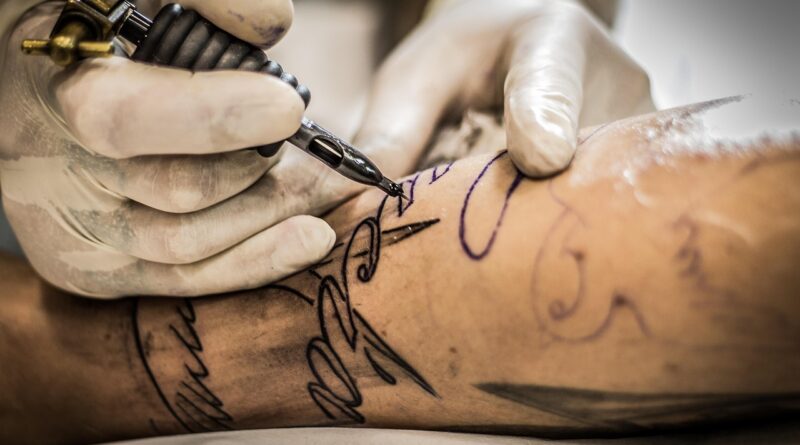
Tattoo machines place pigment into the dermis with needles, so some swelling, redness, and soreness can be expected at the start. Cleveland Clinic describes tattoos as controlled trauma to the skin, which is a direct way to say the skin needs support while it repairs itself. (health.clevelandclinic.org)
This is why rough washing, scratching, and thick product layers can cause problems. The skin is already working, so the care routine should stay clean and steady.
Clean Healing Protects Color
Ink can look flat during healing because flakes and thin scabs sit over the design. Do not worry too much on day five if black looks gray or color looks a little dusty. That stage is common.
Picking at dry skin can pull healing tissue before it is ready. It may also leave uneven spots that need a touch-up later.
Real Demand Makes Safe Advice Important
Tattoo trends change, but skin biology does not. A small wrist tattoo and a full back piece both need clean hands, gentle washing, and patience.
The difference is mostly size and placement. Bigger work may stay swollen longer, and it may need more care around clothing, sleep, and daily movement.
What Should You Do in the First 24 Hours?
The first day sets the tone for healing. Your artist may use plastic wrap, a clear adhesive bandage, or another studio-approved cover. Follow that instruction first, because placement, size, shading, and skin sensitivity can change the timing.
Keep the Bandage on as Directed
Leave the cover alone until the time your artist gives you. Taking it off early in a dusty car, a gym locker room, or a restaurant bathroom is not worth the risk.
When it is time, wash your hands first, then peel the cover slowly. If it sticks, warm water can help loosen it without pulling at the skin.
Wash With Clean Hands
Use lukewarm water and a mild, fragrance-free soap. Do not scrub the tattoo. Move your fingertips lightly over the area, rinse well, then pat dry with a clean paper towel.
A bath towel hanging in a shared bathroom may look clean, but it is not the best choice for fresh tattoo care. Fresh tattoos need a cleaner surface while the skin is still open.
Use a Thin Moisture Layer
Apply only a thin layer of the product your artist recommends. The tattoo should not look shiny or coated like lip balm.
Too much ointment can trap moisture and leave the area sticky. A simple first-day routine works well for most people:
- Wash gently with clean hands.
- Pat dry instead of rubbing.
- Moisturize lightly, then leave it alone.
How Should You Care for Your Tattoo During Weeks One to Four?
After the first day, the tattoo often moves into the awkward stage. It may flake, itch, shine, tighten, or look less clear for a while. That can be annoying when you want to show it, but it is usually part of normal tattoo healing.
Gentle Washing Twice a Day
Most fresh tattoos do well with gentle washing twice a day during early healing. Cleveland Clinic guidance recommends mild soap, warm water, pat drying, and steady moisturizing. (health.clevelandclinic.org)
If your job makes you sweat or leaves dust on your skin, clean the tattoo after work. Letting grime sit on fresh skin all day is a common way to irritate it.
Flaking and Itching Without Picking
Flaking can be hard to ignore, especially on visible areas. Do not scratch, pick, or peel the flakes to speed things up.
Scabs usually fall away on their own when the skin is ready. If itching becomes distracting, a small amount of simple moisturizer can help, but heavy layers will not make healing faster.
Clothing That Does Not Rub
Loose, breathable clothing sounds like basic advice, but it works. Tight denim over a thigh tattoo or a backpack strap over shoulder work can rub the same spot for hours.
That friction can irritate the skin and lift flakes too early. It can also make the tattoo feel hotter and more sore than it needs to be.
Which Tattoo Care Mistakes Can Damage Fresh Ink?
Most aftercare mistakes come from doing too much, not too little. Fresh skin does better with a plain routine. If a product stings, burns, has a strong smell, or claims fast healing, it probably does not belong on a new tattoo.
Too Much Ointment
Petroleum-heavy products can be a problem for some tattooed skin. The American Academy of Dermatology recommends water-based lotion or cream for dry tattooed skin and notes that petroleum-based products may cause ink to fade. (aad.org)
Use light moisture instead of a thick seal. The goal is to keep the skin comfortable, not to cover it with a heavy layer all day. See also: tattoo culture.
Swimming, Saunas, and Soaking
Skip pools, hot tubs, lakes, steam rooms, and long baths until the tattoo is fully healed. A quick shower is not the same as soaking.
Fresh tattoos do not need shared water, heat, and bacteria sitting against open skin. If vacation is next week, book the tattoo after the trip.
Sun, Tanning Beds, and Early Sunscreen
Keep a healing tattoo out of direct sun. Do not put sunscreen on broken, peeling, or scabbed skin unless a clinician tells you to.
Once the tattoo is healed, sun care becomes part of color care. UV light can fade tattoo pigments, and tanning beds add risk for both ink and skin.
When Should You Worry About Infection or an Allergy?
Some redness and soreness can be normal, especially on large pieces or sensitive areas. What matters is how it changes. A tattoo that slowly calms down is different from one that gets hotter, wetter, more painful, or spreads redness outward.
Normal Soreness Versus Warning Signs
Watch for increasing pain, swelling that keeps spreading, pus, bad odor, red streaking, fever, chills, or skin that feels very hot. The FDA advises contacting a health care professional if a tattoo is not healing, a rash appears, or fever develops. (fda.gov)
Do not wait three more days just to be polite or to avoid bothering the studio. If the skin is getting worse instead of better, get medical advice.
Ink and Water Contamination Risks
Aftercare cannot fix unsafe tattooing, but it can help you notice trouble early. The CDC reported 22 cases of tattoo-associated nontuberculous mycobacterial skin infections across four states in 2011 and 2012, linked to contaminated ink before use. (cdc.gov)
Its conclusion was clear: sterile ink, sterile water, and hygienic practice matter. This is also why clients should choose studios that take setup, handling, and cleaning seriously.
When to Contact a Health Professional
If symptoms worsen or feel unusual, contact a clinician and tell the tattoo artist too. Save the ink brand, color, and lot number if the artist can provide it.
That detail may feel like extra paperwork, but it can help trace a wider product issue if more clients react. It also gives the clinician better information to work with.
How Can You Keep an Older Tattoo Looking Clear?
Long-term tattoo care is quieter than first-week care, but people often forget it. Once the surface heals, the job changes from wound care to skin care. Healthy skin usually helps older ink look cleaner.
Water-Based Moisture
Use a water-based lotion or cream when tattooed skin feels dry. You do not need a special routine every morning if your skin feels fine.
Dry elbows, knees, hands, and ankles often need more help because those areas move and rub a lot. Dry skin can make lines look dull and textured.
Daily Sun Protection
For healed tattoos, the American Academy of Dermatology recommends broad-spectrum, water-resistant sunscreen with SPF 30 or higher, applied before sun exposure and reapplied at least every two hours. Hats, sleeves, and shade also help, especially for color pieces. (aad.org)
This habit matters most for tattoos that see regular sun, such as forearms, hands, neck, shoulders, and lower legs. Sun protection is one of the simplest ways to slow fading.
Long-Term Skin Checks
Pay attention to raised areas, new bumps, color changes, and moles near tattooed skin. A tattoo can make small skin changes harder to see.
If something changes, a board-certified dermatologist is the right person to check it. A photo filter or a group chat cannot replace a proper skin check.
FAQ
Q1: How Long Does a New Tattoo Take to Heal? A: The surface often looks much better after two to four weeks, but deeper skin layers may take longer. Large tattoos, heavy shading, hands, feet, and areas that rub against clothing can take extra time.
Q2: Can You Shower With a Fresh Tattoo? A: Yes, a short shower is usually fine after the bandage comes off. Use lukewarm water, avoid direct blasting pressure, wash gently, and pat dry. Do not soak the tattoo in a bath.
Q3: Should You Put Sunscreen on a New Tattoo? A: Not while the skin is open, peeling, or scabbed. Keep it covered and out of direct sun during healing. Once fully healed, use SPF 30 or higher when the tattoo is exposed.
Q4: Is It Normal for a Tattoo to Itch? A: Mild itching is common during flaking. Do not scratch it. Light moisturizer and loose clothing can help. If itching comes with spreading redness, bumps, heat, or oozing, get medical advice.
Q5: What Is the Biggest Tattoo Care Mistake? A: The biggest mistake is using too many products or picking at flakes. Keep the tattoo clean, lightly moisturized, protected from rubbing, and away from sun and soaking until healed.