
What Does A Maori Chin Tattoo Reveal About Cultural Identity In Modern New Zealand
New Zealand’s Maori Women Reclaim Ancestral Chin Tattoos
The reemergence of the Māori chin tattoo, or moko kauae, marks a profound cultural and political shift in New Zealand. Once suppressed by colonial authorities, these sacred markings have become powerful emblems of identity and resilience among Māori women. The revival is not merely aesthetic; it represents a reclamation of lineage, spirituality, and sovereignty. Today, wearing a moko kauae publicly asserts cultural continuity and challenges historic marginalization. This resurgence intertwines ancient artistry with modern expression, reaffirming that Māori heritage remains dynamic and alive in contemporary society.
The Historical And Cultural Roots Of The Māori Chin Tattoo
The legacy of tā moko lies at the heart of Māori identity. To grasp its significance today, one must trace how this art form evolved from ancestral ritual to a modern statement of pride.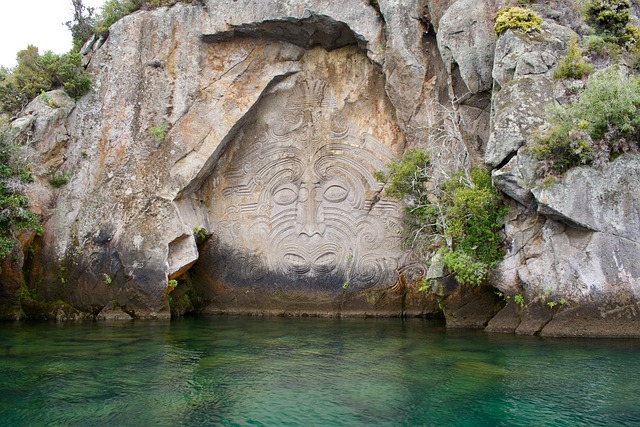
Origins Of The Tā Moko Tradition
Tā moko was more than body decoration; it was a visual language that recorded whakapapa—genealogy—and reflected social rank and tribal belonging. In pre‑colonial times, each curve and line was deliberate, mapping connections between individuals and their iwi. The process itself carried deep spiritual meaning: the tohunga tā moko (tattoo expert) acted as a conduit between the living and ancestors. Male facial moko often covered the entire face, symbolizing authority and warrior status, while female moko kauae adorned the chin, representing mana wahine—the spiritual strength of women—and their role as keepers of lineage.
Colonial Suppression And Cultural Disruption
When European colonization reached Aotearoa in the 19th century, tā moko faced severe suppression. Missionaries condemned it as pagan practice, urging Māori to abandon visible markers of identity. Many were forced to conceal or forgo traditional tattoos to avoid discrimination. Yet the symbolism survived through waiata (songs), oral histories, and carvings that preserved ancestral narratives even when skin could no longer bear them. Despite attempts to erase it, tā moko remained embedded in collective memory—an unbroken thread linking generations through silence.
The Revival Of Moko Kauae In Contemporary New Zealand
The 21st century has witnessed an extraordinary revival of moko kauae among Māori women. This movement reflects both personal empowerment and broader social transformation within Aotearoa’s bicultural framework.
Reclaiming Ancestral Practices In The 21st Century
Wearing a moko kauae today is an act of reclamation—a visible declaration that colonial erasure failed. Māori women leaders across politics, education, and media have embraced these markings publicly, reshaping perceptions of professionalism and beauty. Their presence on television screens or parliamentary benches challenges outdated norms while inspiring younger generations to reconnect with ancestral customs. This resurgence aligns with global indigenous renaissance movements that emphasize cultural autonomy and self‑representation.
Modern Interpretations And Artistic Evolution
Contemporary tā moko practitioners blend traditional design principles with modern tools such as tattoo machines instead of chisels (uhi). While technique evolves, authenticity remains central; each moko is still designed through consultation about whakapapa and personal story. Artists navigate a delicate balance between innovation and respect for protocol—ensuring every design honors ancestral intent while reflecting individual identity. Digital platforms have amplified this revival globally, allowing audiences to appreciate its artistry without detaching it from its cultural roots.
Cultural Identity And Representation Through Moko Kauae
Beyond aesthetics, moko kauae functions as living text—a form of storytelling etched into skin that communicates heritage more powerfully than words ever could.
Symbolism Embedded In Design Elements
Every line carries meaning tied to genealogy or tribal affiliation. Spiral motifs may denote descent from particular ancestors; curved patterns can signify life journeys or social roles within hapū (sub‑tribes). These visual codes extend oral tradition into physical form, ensuring stories endure even without written records. Thus each maori chin tattoo becomes both archive and proclamation—a testament to continuity amid change.
Visibility, Empowerment, And Social Dialogue
Public visibility of moko kauae has sparked essential dialogue about belonging in modern New Zealand. For wearers, it affirms connection to whenua (land) and whānau (family), restoring pride once diminished by assimilation policies. Yet challenges persist: some still face prejudice in workplaces or public spaces where colonial attitudes linger subtly beneath civility. Nevertheless, increased representation—especially among prominent figures—has shifted national discourse toward genuine biculturalism rather than token inclusion.
The Intersection Of Gender, Identity, And Spirituality
Moko kauae embodies not only ethnic identity but also gendered spirituality within Māori cosmology. It bridges generational knowledge while redefining what womanhood means today.
The Role Of Women In Preserving Cultural Continuity
Traditionally bestowed during rites of passage such as motherhood or leadership attainment, moko kauae affirmed a woman’s mana within her community. Knowledge transmission occurred primarily through female lineage—grandmothers teaching daughters sacred protocols surrounding design selection and ceremony preparation. This intergenerational exchange maintained cultural integrity even through colonization’s disruptions.
Negotiating Modern Feminine Identity Through Traditional Symbols
Today’s Māori women reinterpret these symbols within contemporary contexts—from corporate offices to international forums—asserting that tradition complements rather than contradicts modernity. Some navigate tension between customary expectations emphasizing humility and feminist readings celebrating bodily autonomy. Yet both converge on one truth: the moko kauae remains a living expression evolving with those who wear it rather than relic frozen in time.
Moko Kauae Within The Broader Framework Of Indigenous Identity Politics
The renewed prominence of tā moko intersects with wider movements for indigenous rights worldwide—from Australia’s Aboriginal art revivals to Native American regalia restoration—each asserting sovereignty over self‑representation.
Indigenous Sovereignty And Cultural Expression
Tattooing operates as political language asserting self‑determination within postcolonial societies. For Māori communities, reclaiming tā moko parallels efforts toward language revitalization (te reo Māori) and land restitution under Treaty settlements. Legal frameworks now recognize tā moko as protected intellectual property under national legislation aligned with international instruments like the UN Declaration on the Rights of Indigenous Peoples (UNDRIP). Such recognition safeguards against unauthorized reproduction while affirming cultural authority rests with tangata whenua—the people of the land.
Global Perception And Ethical Considerations In Representation
As global interest grows in indigenous aesthetics, ethical questions intensify around cultural appropriation by non‑Māori individuals or commercial entities misusing sacred designs for fashion or entertainment. Responsible engagement demands consultation with Māori artists and adherence to tikanga (customary practice). Institutions documenting tā moko traditions bear moral duty to represent them accurately without commodification—a principle increasingly emphasized by curators and researchers worldwide striving for decolonized methodologies.
FAQ
Q1: What does a Māori chin tattoo symbolize?
A: It represents whakapapa (genealogy), personal identity, spiritual strength, and tribal affiliation specific to each wearer’s ancestry.
Q2: Why did colonial authorities suppress tā moko?
A: Missionaries viewed it as heathen practice conflicting with Christian values; over time this led to stigma against visible indigenous identity markers.
Q3: How are modern moko kauae created today?
A: Artists often use electric machines but maintain traditional design consultation processes grounded in whakapapa discussion with clients.
Q4: Is it appropriate for non‑Māori people to wear similar tattoos?
A: No; doing so without cultural authority constitutes appropriation since these designs carry sacred genealogical meanings exclusive to Māori lineage.
Q5: How does digital media influence contemporary perception?
A: Online platforms amplify awareness globally while enabling Māori voices themselves—not outsiders—to narrate their culture authentically on their own terms.