What Does the Meaning of Tattoo Symbols Reveal About Cultural Identity
Do You Want to Know the Meaning of Tattoos?
Tattoos are more than decorative art; they are living archives of human identity. Across centuries, tattoo symbols have embodied lineage, faith, and belonging. The meaning of tattoo symbols today continues to evolve, shaped by cultural exchange and personal narrative. For experts studying semiotics or anthropology, tattoos reveal how societies encode values into visual language. In essence, every mark on skin tells a story—of heritage, transformation, or resistance—making tattooing one of the most enduring forms of cultural expression.
The Relationship Between Tattoo Symbols and Cultural Identity
Tattooing has always been intertwined with how individuals and groups define who they are. From ancient rituals to modern aesthetics, the practice reflects humanity’s ongoing dialogue between body and culture.
Exploring the Historical Context of Tattooing
In early civilizations such as Egypt, Polynesia, and among the Celts, tattoos signified social hierarchy and spiritual protection. Egyptian mummies dating back over 3,000 years show geometric patterns linked to fertility rites. In Polynesia, intricate line work identified clan membership and valor in battle. Over time, industrialization and global travel transformed tattooing from sacred ritual into a global art form. These shifts mirror changing notions of identity—from collective belonging to individual expression.
Tattoos as a Medium of Cultural Expression
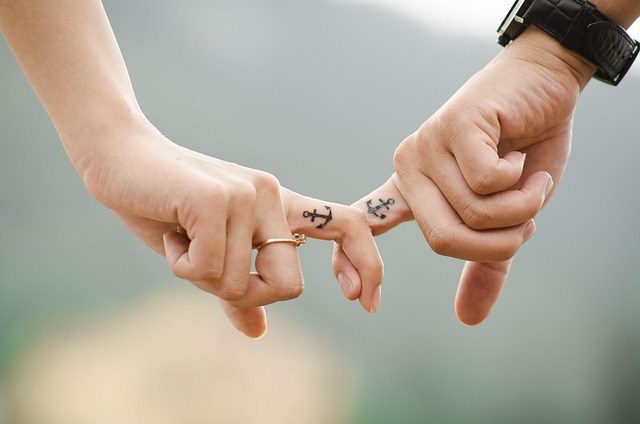
Tattoos operate as visual storytelling devices that record both personal milestones and shared heritage. A Maori moko encodes genealogy through its spiral motifs; a sailor’s anchor once symbolized hope for safe return. As global migration expanded cultural contact, tattoo artists began merging styles—Japanese waves with Western skulls or tribal lines with modern minimalism—creating hybrid symbols that cross boundaries yet retain deep emotional charge.
Decoding the Meaning of Tattoo Symbols Across Cultures
The meaning of tattoo symbols cannot be separated from their cultural origins. Each tradition encodes unique cosmologies through form, placement, and ritual significance.
Indigenous and Tribal Symbolism
In Polynesian societies, tattoos known as tatau represent ancestry and spiritual guardianship. Every curve relates to family lineage or divine protection. Native American designs often depict eagles or bears to express kinship with nature’s forces. In parts of Africa, scarification patterns communicate courage or maturity within community hierarchies; these marks serve both aesthetic and social functions that outlast oral memory.
Eastern Symbolic Traditions in Tattoo Art
Japanese irezumi integrates mythic creatures such as dragons for wisdom or koi fish for perseverance against adversity. Chinese calligraphy tattoos convey virtues like harmony or resilience when etched in single characters along the spine or wrist. In India, henna-inspired permanent designs merge Hindu iconography—lotus flowers for purity or Om symbols for unity—with protective intent rooted in folk belief.
Western Interpretations of Symbolism in Tattoos
Celtic knots embody eternity through their unbroken loops symbolizing life’s interconnection. Christian motifs like crosses or angels reflect devotion or redemption narratives central to faith identity. Modern Western tattoo culture often reinterprets these classical icons: a minimalist cross may signify personal rebirth rather than religious allegiance.
The Semiotics of Tattoo Symbols in Modern Society
Today’s tattoos function as semiotic systems where meaning is negotiated between wearer, artist, and audience. Their visibility transforms private beliefs into public statements.
Tattoos as Markers of Identity and Belonging
Within subcultures—from bikers to punk communities—shared emblems reinforce solidarity while marking difference from mainstream norms. For instance, matching geometric tattoos among activists can signal collective resistance without words. Placement matters too: visible forearm designs project openness about identity; concealed ones preserve intimacy between wearer and symbol.
The Transformation of Symbolic Meaning in Globalized Contexts
As global media circulates images instantly, traditional motifs detach from original contexts. A Polynesian pattern might appear on fashion models without reference to its genealogical depth. This raises ethical debates over cultural appropriation versus appreciation: when does admiration become misuse? Yet hybridization also fosters creativity by blending motifs into new symbolic vocabularies reflecting our interconnected era.
Interpreting Personal Narratives Through Tattoo Symbols
Beyond collective codes lies the deeply personal layer where tattoos translate lived experience into symbolic form.
The Intersection of Personal Experience and Cultural Motifs
Individuals often adapt ancestral symbols to narrate personal journeys—a feather for freedom after recovery or a phoenix rising after hardship. Such adaptations keep traditions alive while making them intimate reflections of modern lives. Tattoos thus act as mnemonic devices preserving memory through skin rather than paper.
The Role of Artists in Shaping Symbolic Interpretation
Tattoo artists serve as interpreters bridging concept and image. Their stylistic decisions—line weight, shading technique, composition—reshape how a symbol communicates across cultures. A skilled artist discussing motif origins with clients can transform mere decoration into informed homage, ensuring each design carries layered resonance beyond aesthetics.
Ethical Considerations in the Use of Cultural Symbols in Tattoos
As tattooing grows globally accessible, ethical awareness becomes crucial in preserving respect for sacred imagery and indigenous knowledge systems.
Respecting Cultural Origins and Sacred Meanings
Certain designs hold ceremonial power requiring contextual sensitivity before replication—such as Maori facial moko reserved for lineage bearers or Buddhist yantra tattoos blessed by monks. Using these without comprehension risks trivializing their sanctity. Responsible practice demands research into origin stories and consultation with cultural custodians before adoption.
Academic Perspectives on Cultural Identity Through Tattoo Art
Anthropologists describe tattoos as “living texts” inscribed upon bodies that move through time carrying social narratives visible yet mutable. Sociologists link rising tattoo popularity to identity politics where marginalized groups reclaim visibility through body art. Semiotic scholars view each design as a sign system whose meanings shift through reinterpretation across generations—a dynamic process reflecting culture’s constant flux.
FAQ
Q1: Why do different cultures assign different meanings to similar tattoo symbols?
A: Because each culture embeds its own mythology and moral values into imagery; identical shapes may carry entirely distinct associations depending on historical context.
Q2: How can someone choose culturally respectful tattoo designs?
A: By researching origins thoroughly, consulting practitioners from that tradition when possible, and avoiding sacred symbols used outside their intended setting.
Q3: What role does placement play in symbolic interpretation?
A: Placement influences visibility and intention—a chest piece may signify personal devotion while hand tattoos project identity outwardly in daily interaction.
Q4: Are hybrid tattoos considered disrespectful?
A: Not inherently; blending styles can celebrate intercultural dialogue if done with informed consent rather than superficial borrowing.
Q5: How has digital culture changed the meaning of tattoo symbols?
A: Online sharing accelerates diffusion but also detaches images from origin stories; this democratizes design access yet complicates authenticity debates within global tattoo communities.