
What Is the Best Placement for Name Tattoos in Hidden Ink Designs
35+ Hidden Tattoos That Will Satisfy Your Craving For New Ink
Hidden name tattoos have become one of the most refined expressions in modern tattoo culture. They merge intimacy with artistry, allowing individuals to carry personal meanings without public exposure. For professionals who seek balance between identity and discretion, concealed ink offers a compelling solution. The best placement for name tattoos often depends on anatomy, lifestyle, and emotional significance. This article explores the cultural symbolism, anatomical strategy, and technical artistry behind hidden name tattoos, guiding readers through their subtle yet powerful impact.
Exploring the Concept of Hidden Name Tattoos
The rise of hidden name tattoos reflects a shift toward more private forms of self-expression. As tattoo acceptance grows globally, many still prefer designs that remain unseen in daily life but hold deep personal meaning.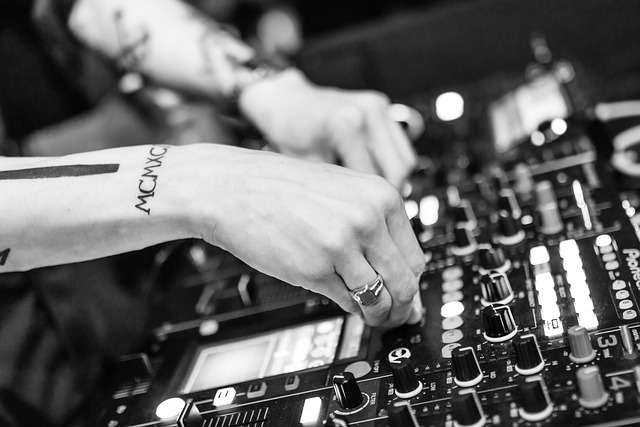
The Appeal of Concealed Ink in Modern Tattoo Culture
Hidden tattoos often serve as a quiet rebellion against uniformity. They allow wearers to honor relationships or milestones without compromising professional appearance. Placement choices—like behind the ear or under clothing—demonstrate how people tailor visibility to their comfort level. Experts note that visibility can influence how others perceive confidence or individuality, shaping both social interactions and self-image.
Symbolism Behind Name Tattoos
A name tattoo is rarely just ink; it’s an emotional statement. Whether it represents family, friendship, or self-recognition, each inscription tells a story. Visible placements highlight pride and declaration, while hidden ones preserve intimacy. Typography matters too—fine-line scripts convey elegance, while bold lettering suggests permanence. Artists often align typeface curvature with muscle flow to maintain visual harmony as the body moves.
Anatomical Considerations for Hidden Tattoo Placement
Choosing where to place a hidden tattoo requires more than aesthetic judgment. Artists must evaluate skin quality, exposure levels, and long-term durability before committing to design execution.
Evaluating Skin Texture and Longevity
Skin characteristics vary across the body. Areas with less friction—like the upper ribs or back—retain pigment longer because they experience minimal rubbing from clothes. Conversely, spots like wrists or feet fade faster due to constant movement and sunlight exposure. Professional artists assess elasticity and tone before recommending placement to ensure crisp lines over time.
Pain Sensitivity and Healing Factors
Pain tolerance differs from one region to another. Bony areas such as ribs or ankles tend to be more painful due to proximity to nerve endings and thin skin layers. In contrast, fleshier zones like thighs allow smoother needlework with less discomfort. Healing speed also depends on circulation; regions under frequent motion may require extended recovery periods and consistent aftercare routines.
Strategic Placements for Hidden Name Tattoos
Strategic placement defines both aesthetics and meaning in hidden tattoos. The goal is not only concealment but also creating a natural flow that complements body structure.
Subtle Upper Body Locations
Behind the Ear or Along the Hairline
Behind-the-ear tattoos are favored for their subtlety and elegance. They remain invisible beneath hair yet reveal themselves in fleeting moments—a whisper of identity rather than a shout. Small initials or single-word names fit perfectly here without disrupting balance.
Inside the Collarbone or Under the Shoulder Blade
These placements offer privacy while maintaining sophistication. Fine-line scripts along collarbones create graceful symmetry when visible under certain outfits. Under-shoulder-blade designs remain fully hidden yet close to the heart—ideal for memorials or deeply personal dedications.
Central Body Areas Offering Concealment
Ribcage or Under-Bust Area
The ribcage provides ample space for longer inscriptions while staying covered by everyday clothing. The rhythmic expansion during breathing adds motion to script designs, creating an almost living text effect that changes subtly with movement.
Spine or Lower Back Alignment
Vertical spine tattoos align naturally with human anatomy, making them visually striking even when unseen by others. Artists must consider spinal curvature carefully so each letter maintains spacing consistency across different postures.
Discreet Lower Body Placements
Inner Thigh or Hip Bone Region
These areas are chosen for intimate messages meant for personal eyes only. However, their sensitivity demands precision work and gentle technique to avoid swelling or distortion during healing.
Ankle, Foot Arch, or Behind the Knee
Lower-leg placements combine concealment with creative potential. Minimalist name scripts around ankles can follow bone contours gracefully but require careful maintenance since footwear friction accelerates fading over time.
Design Integration Techniques for Hidden Name Tattoos
Design integration plays a vital role in maintaining subtlety without losing meaning. Artists use minimalist motifs and adaptive typography to blend names seamlessly into natural body lines.
Combining Names with Minimalist Motifs
Pairing names with geometric accents or botanical flourishes creates refined compositions that draw attention only upon close inspection. Fine-line techniques reduce visual weight while preserving emotional resonance—a hallmark of contemporary micro-tattoo trends.
Using Script Variations for Discreet Impact
Micro-script lettering allows entire names to fit within small spaces like wrists’ inner sides or ribs’ curves without overwhelming formality. Cursive flows naturally along body contours, preventing distortion even as skin flexes over time.
Professional Insights on Ethical and Aesthetic Balance in Hidden Ink Design
Tattoo professionals emphasize that every hidden design carries ethical as well as artistic responsibility. Balancing privacy with craftsmanship ensures both integrity of meaning and technical excellence.
Balancing Privacy with Artistic Expression
Artists often discuss consent boundaries when dealing with name tattoos representing other individuals. Hidden placements give wearers freedom from judgment while preserving symbolic depth—a respectful middle ground between public art and private memory.
Technical Precision in Execution and Maintenance
Delicate zones demand precise control over needle depth; too shallow causes premature fading while too deep risks blowouts beneath thin skin layers. Professionals recommend periodic touch-ups every few years to maintain clarity as skin naturally evolves through aging processes.
FAQ
Q1: What is the best placement for name tattoos if discretion is important?
A: Behind-the-ear, ribcage, or inner-thigh regions are among the best placement for name tattoos because they remain easily concealable yet retain visual elegance when revealed selectively.
Q2: Do hidden tattoos fade faster than visible ones?
A: Not necessarily; fading depends more on friction exposure than visibility itself. Areas shielded from sunlight generally preserve pigment longer.
Q3: Are ribcage tattoos more painful than other locations?
A: Yes, ribcage tattoos typically cause higher discomfort due to thin skin layers over bone structures combined with limited cushioning tissue.
Q4: How long does healing take for concealed ink areas?
A: Healing usually takes two to four weeks depending on region mobility; low-friction areas like backs heal faster than joints or ankles.
Q5: Can minimalist motifs enhance hidden name tattoos aesthetically?
A: Absolutely; integrating geometric lines or fine botanical details softens script intensity while adding subtle sophistication suitable for discreet placements.