What Is the True Meaning of a Snake Tattoo in Modern Symbolism
Here’s Exactly What a Snake Tattoo Can Symbolize
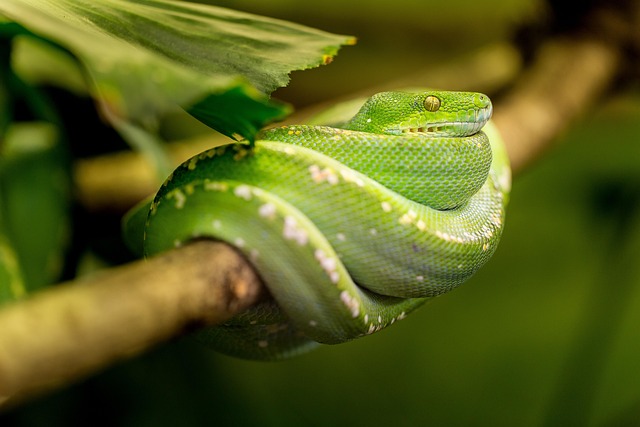
Snake tattoos hold one of the richest symbolic histories in body art. Across cultures and centuries, serpents have represented transformation, wisdom, danger, and rebirth. The meaning of a snake tattoo often merges ancient myth with modern psychology, reflecting both collective archetypes and personal evolution. Whether drawn as a coiled guardian or a shedding serpent, the motif speaks to cycles of life and change. For many wearers, it becomes an emblem of resilience—a reminder that power lies in adaptation and renewal.
The Historical Roots of Snake Symbolism
The serpent’s image has persisted through millennia because it bridges nature and myth. From early civilizations to contemporary tattoo studios, its form carries stories of creation, destruction, and spiritual awakening.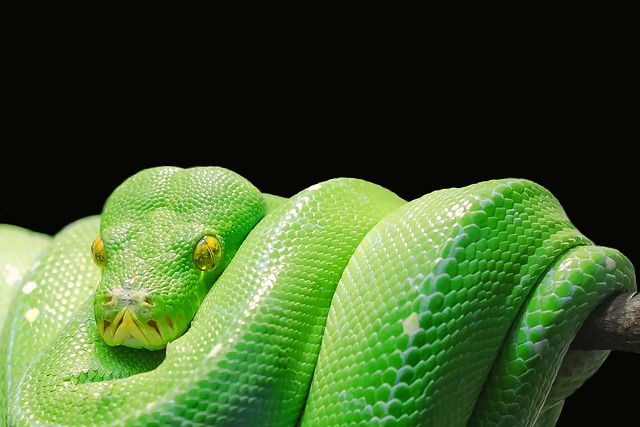
Ancient Interpretations Across Civilizations
In ancient Egypt, snakes were sacred to deities like Wadjet, symbolizing divine authority and protection. Greek mythology revered the serpent as a sign of healing through Asclepius’s staff, still used today as a medical emblem. In India, nāgas embodied fertility and cosmic balance. These early interpretations gave the serpent dual roles—life-giver and destroyer—mirroring nature’s paradoxes. Early tattoo traditions in tribal societies also employed snake imagery for protection against evil forces or as marks of initiation into spiritual maturity. The duality embedded in these symbols made them ideal for body art that expressed both reverence and defiance.
Evolution of the Serpent Motif in Cultural Contexts
Over time, Western perspectives shifted dramatically. Once viewed as an emblem of temptation from biblical lore, the snake later came to represent endurance and regeneration—qualities admired in modern culture. In Eastern philosophies, particularly Taoism and Hinduism, serpents retained associations with cyclical renewal and latent energy. This cross-cultural evolution enriched tattoo symbolism: artists now combine mythic roots with contemporary interpretations to create designs layered with meaning—spiritual awakening meeting personal resilience.
The Psychological Dimensions of Snake Tattoos
Beyond cultural symbolism lies psychology—the inner landscape where archetypes dwell. The serpent’s image resonates deeply because it mirrors human instincts: fear, desire, transformation.
The Archetypal Power of the Serpent Image
Carl Jung described the serpent as an archetype representing instinctual energy and transformation within the unconscious mind. Many individuals who choose snake tattoos do so after periods of intense personal change—a divorce, recovery from illness, or career reinvention—marking rebirth on their skin. The coiled shape often seen in designs symbolizes potential energy waiting to be released; it hints at mastery over self through disciplined awareness rather than suppression of instinct.
Symbolism of Fear, Desire, and Control
Snakes evoke visceral reactions—fear for their danger, fascination for their grace. In tattoo art, this tension becomes metaphorical: wearing a snake can signify confronting one’s darker impulses or embracing complexity instead of denying it. Some interpret the act as reclaiming control over primal emotions; others see beauty in danger itself. Artists frequently play with contrast—sharp fangs beside smooth curves—to express this psychological duality between peril and allure that defines human experience itself.
Modern Symbolic Interpretations in Tattoo Art
Today’s tattoo culture blends ancient mysticism with modern storytelling. Each design reflects not only aesthetic preference but also philosophical intent tied to growth and impermanence.
Transformation and Renewal in Contemporary Designs
A shedding snake embodies metamorphosis more vividly than almost any other creature. Its discarded skin becomes a metaphor for leaving behind outdated versions of self—healing through change rather than resistance to it. Many people commemorate pivotal life transitions with such imagery: endings that led to beginnings or struggles that refined character. Tattooists emphasize motion through flowing lines or gradients that mimic movement across skin surfaces—a visual echo of transformation itself.
Duality: Life, Death, and Rebirth Themes
Snakes encapsulate cycles inherent to existence: creation intertwined with decay leading again to renewal. Modern designs often feature circular compositions like the ouroboros—the serpent consuming its tail—to illustrate continuity without finality. This motif appeals to those who view life as perpetual evolution rather than linear progression; it communicates peace with impermanence while celebrating vitality within transience—a philosophy reflected across many spiritual traditions from Stoicism to Zen practice today.
Cultural Variations in Modern Snake Tattoo Meanings
Contemporary interpretations remain shaped by regional beliefs yet increasingly overlap through global artistic exchange facilitated by digital media platforms connecting artists worldwide.
Western Perspectives on Power and Protection
In Western tattoo culture, snakes symbolize assertive independence—a quiet strength forged through adversity rather than aggression alone. They often appear entwined with daggers or skulls signifying courage amid threat or survival after loss. For some veterans or athletes overcoming injury, such imagery becomes deeply personal—a declaration that endurance defines identity more than victory does. This protective connotation aligns with older folk traditions where serpents guarded thresholds against harm both physical and spiritual alike.
Eastern Views on Wisdom and Spiritual Energy
In Japanese irezumi art, the hebi (snake) represents protection from illness or misfortune while embodying intelligence capable of navigating unseen realms between life forces yin and yang balance demands harmony not dominance reflecting broader Buddhist ideals about interconnection among all beings including those feared by humans themselves Hindu iconography links serpents especially kundalini energy coiled at spine base rising toward enlightenment making these tattoos potent metaphors for awakening latent power through disciplined practice merging physical aesthetics with metaphysical aspiration influencing many global trends seeking fusion between beauty craft spirituality today
Artistic Representation and Design Considerations
Symbolism alone doesn’t define meaning; composition style placement all contribute equally shaping narrative encoded within inked lines visible across generations sometimes even centuries later when technique meets philosophy artistry deepens message beyond surface appeal
Common Styles Reflecting Symbolic Depth
Traditional Blackwork Designs
Bold outlines dominate blackwork emphasizing endurance simplicity strength timelessness favored by those valuing clarity over ornamentation every curve deliberate echoing ritualistic roots found among early warrior societies where permanence equaled honor
Neo-Traditional Interpretations
Modern artists reinterpret myths using vibrant palettes layering historical motifs into storytelling pieces blending realism fantasy creating emotionally charged narratives inviting reflection about humanity’s evolving relationship nature transformation mortality
Minimalist Line Work
Minimalist renditions strip form bare leaving essence intact elegance subtlety precision become vehicles conveying restraint discipline suggesting control over chaos without erasing its presence altogether appealing particularly professionals appreciating understatement symbolism depth simultaneously
Placement Choices That Enhance Meaning
Arm or Wrist Tattoos
These placements highlight agency action mastery over instinct serving reminders visible daily guiding behavior toward chosen path embodying autonomy decision-making strength quietly displayed yet persistently felt
Back or Spine Tattoos
When placed along spine imagery aligns physically spiritually transformation rising internal awakening parallels anatomical structure housing nervous system energy flow conceptually linking body mind evolution unity
Leg or Ankle Tattoos
Lower limb placements suggest momentum adaptability grounding forward movement balancing stability progress suitable travelers athletes anyone valuing perseverance amidst shifting circumstances
Interpreting Personal Significance Within Collective Symbolism
Every wearer redefines shared imagery weaving biography into myth collective memory becoming intimate statement identity resilience aspiration intertwined inseparable tattoos thus operate simultaneously cultural artifact psychological mirror artistic expression perpetually renewed interpretation context emotion era shift perception accordingly
Individual Expression Through Universal Imagery
A single motif never static each bearer filters inherited meanings through lived experience converting universal archetype into private emblem perhaps honoring ancestry commemorating struggle celebrating survival expert reading design requires sensitivity both technical execution psychological motivation shaping choice composition scale tone color integration body narrative coherence intention authenticity matter equally aesthetic outcome significance enduring relevance
The Continuing Evolution of Snake Symbolism in Modern Artistry
As technology expands creative possibilities digital tools enable hybrid styles merging realism abstraction surreal geometry reflecting postmodern sensibility toward multiplicity ambiguity constant flux artists reinterpret ancient motifs addressing contemporary questions identity ecology spirituality sustainability thereby extending lineage thousands years into future proving serpent remains inexhaustible source inspiration contemplation dialogue between past present potential still unfolding
FAQ
Q1: What is the primary meaning of a snake tattoo?
A: It often symbolizes transformation rebirth resilience drawing from ancient myths linking serpents with cycles life death renewal.
Q2: Why are snakes associated with protection?
A: Historically they guarded temples homes fields seen as defenders against evil spirits their vigilance translated into protective symbols modern tattoos.
Q3: Do colors affect the meaning?
A: Yes black suggests power mystery red passion vitality green healing regeneration gold wisdom divinity choices personalize symbolic emphasis.
Q4: Is there cultural significance behind ouroboros tattoos?
A: Ouroboros represents infinity unity eternal return widely recognized across civilizations expressing continuity balance acceptance impermanence.
Q5: How do placement choices influence interpretation?
A: Visible areas convey assertion hidden ones introspection central placements like spine emphasize transformation internal growth aligning spiritual themes bodily awareness intertwining message embodiment together