
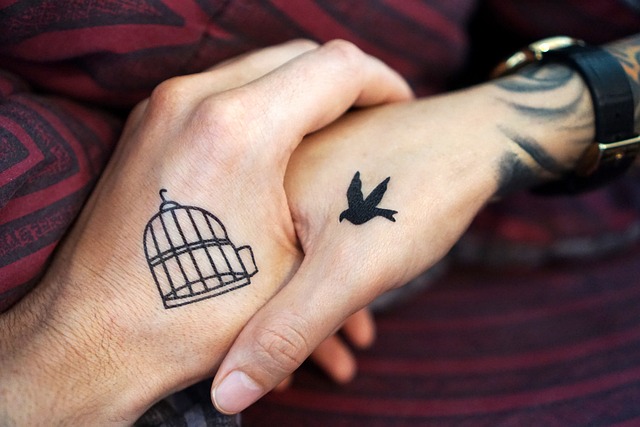
Can Friendship Tattoo Ideas Reveal Hidden Rivalries Between Friends
Woman Lies About Tattoo Idea To Petty Friend, Watches Her Get It Permanently Inked
Friendship tattoos often carry deep emotional meaning, yet they can also expose fragile dynamics beneath the surface. In one striking case, a woman misled her petty friend about a tattoo concept, resulting in the latter getting it permanently inked. This story illustrates how symbolic expression can become a tool for control and how shared body art may reveal rivalry more than loyalty. The psychology behind friendship tattoos shows that what begins as a gesture of unity can turn into a reflection of power imbalance and emotional manipulation.
The Psychology Behind Friendship Tattoos
Friendship tattoos are not just aesthetic choices; they are psychological statements about connection, permanence, and identity. They represent both affection and the unspoken complexities that shape human bonds.
Symbolism and Emotional Significance of Friendship Tattoos
A friendship tattoo often symbolizes loyalty, shared memories, and emotional intimacy. The permanence of ink reflects a lasting commitment that transcends temporary disagreements or distance. Many people choose matching or complementary designs—like half-hearts or mirrored symbols—to express mutual understanding. However, when motives shift toward competition or validation, even the most innocent design can lose its sincerity.
The Social Dynamics Embedded in Tattoo Choices
Tattoos serve as public declarations of belonging. Within friendships, they communicate closeness to outsiders while reinforcing internal hierarchies. When one person dominates the design process or insists on specific imagery, it signals control rather than collaboration. Subtle competition may arise when one friend seeks to make their tattoo more meaningful or visually superior. These dynamics often go unnoticed until conflict surfaces.
Rivalry Beneath the Surface of Friendship
Beneath gestures of affection often lies an undercurrent of competition. In close relationships, validation and comparison can transform genuine connection into subtle rivalry.
Understanding Competitive Undercurrents in Close Relationships
Friendly competition is natural but becomes problematic when self-worth depends on outperforming others. Envy and insecurity may manifest through symbolic acts such as choosing a more elaborate tattoo or claiming ownership over the idea. When one friend consistently leads decision-making, it reveals power imbalances that undermine equality within the relationship.
How Tattoo Decisions Can Expose Hidden Tensions
Joint tattoo decisions frequently trigger creative disputes. One might prefer minimalism while another demands symbolism heavy with meaning. When compromise fails, resentment grows—especially once the ink becomes permanent. A friend’s attempt to “outdo” another through design complexity can turn collaboration into rivalry. Miscommunication about symbolism may later breed regret or even feelings of betrayal.
Manipulation Through Symbolic Expression
The story of a woman deceiving her petty friend about a tattoo idea underscores how emotional intelligence can become manipulative when used for revenge or control.
The Role of Deception in Social Assertion
Using misinformation about a tattoo idea is not merely mischievous—it’s an assertion of dominance disguised as creativity. By misleading her friend into adopting an unwanted symbol permanently, the deceiver weaponized trust itself. Such acts reveal an intricate mix of resentment and calculated retribution rather than spontaneous humor.
Ethical Implications of Symbolic Manipulation
Deliberate deceit within friendships crosses ethical boundaries by violating consent and authenticity. It challenges moral expectations around autonomy—especially when actions lead to irreversible outcomes like permanent tattoos. Psychologists might interpret this behavior as unresolved interpersonal conflict projected through symbolic acts rather than simple pettiness.
Interpreting Friendship Tattoos as Social Artifacts
Beyond personal stories, friendship tattoos function as cultural markers that communicate identity within social networks. Yet their meaning shifts dramatically when rivalry intrudes on intention.
Tattoos as Markers of Social Identity and Group Belonging
Matching tattoos operate as visible identifiers among peers, signaling shared experience or allegiance to a particular bond. Anthropologists view them as modern tribal marks expressing belonging within micro-communities such as close friends or chosen families. However, once deceit enters the equation, these marks lose sincerity and instead embody irony—symbols meant for unity become reminders of discord.
The Dual Nature of Permanence: Bond or Burden?
Tattoo permanence reinforces emotional commitment but also traps individuals in outdated narratives. A once-cherished emblem may evolve into a painful reminder after betrayal or estrangement. For some people, removing or covering such tattoos becomes part of emotional closure—a physical act mirroring psychological detachment from past connections.
Analytical Perspectives on Power and Performance in Friendships
Power plays often shape how friends negotiate shared decisions like tattoo selection. What appears collaborative may mask deeper struggles for influence and validation.
Power Dynamics in Shared Decision-Making Processes
Equal participation rarely exists when emotional hierarchies define friendships. One person’s stronger personality often dictates outcomes under the guise of agreement. Agreeing to get matching tattoos might reflect submission rather than solidarity—a silent acknowledgment that maintaining harmony outweighs personal preference.
Performance, Image, and Social Validation Among Peers
Tattoos are performative gestures aimed at both internal affirmation and external recognition. Friends sometimes pursue these acts less for connection than for social visibility on platforms where image defines status. When public perception overshadows private sentiment, rivalry intensifies; each participant seeks recognition not from each other but from observers validating their closeness online.
FAQ
Q1: Why do friendship tattoos sometimes lead to conflict?
A: Because they involve permanent symbols tied to shared meaning, disagreements over design or intent can expose hidden insecurities and power struggles between friends.
Q2: How does deception influence friendship dynamics?
A: Deception erodes trust by turning mutual experiences into manipulative exchanges where one person gains control at another’s expense.
Q3: What should people consider before getting matching tattoos?
A: They should discuss long-term implications honestly—covering meaning, design choice, and potential changes in relationship status—to avoid future regret.
Q4: Can friendship tattoos ever be neutral symbols?
A: Rarely; even neutral imagery carries relational context shaped by emotion and memory that evolves over time.
Q5: How does social media affect perceptions of friendship tattoos?
A: Online visibility amplifies performative aspects by turning private commitments into public spectacles where validation from others influences personal satisfaction with the decision.