What Does Cobra Tattoo Meaning Reveal About Power And Transformation
Here’s Exactly What a Snake Tattoo Can Symbolize
A cobra tattoo meaning extends beyond aesthetics—it embodies transformation, divine authority, and the balance between creation and destruction. Across cultures, this serpent has symbolized power, renewal, and spiritual awakening. In tattoo art, the cobra’s poised elegance and lethal precision capture both fear and respect. Its symbolism continues to evolve, merging ancient mysticism with modern expressions of resilience and self-mastery.
The Symbolic Depth of the Cobra in Tattoo Art
The cobra has long fascinated artists and spiritual seekers alike. Its image carries centuries of mythic significance that transcends geography or belief systems.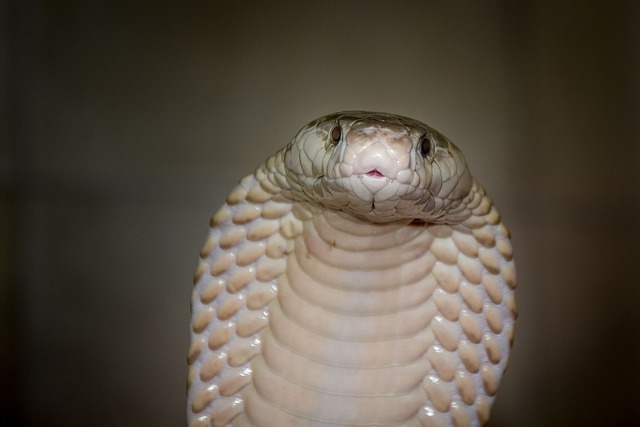
Historical and Cultural Context of the Cobra Symbol
Ancient civilizations such as Egypt and India revered the cobra as a sacred emblem. In Egypt, it adorned crowns as the uraeus—a protector of pharaohs representing divine authority. In India, it is linked to deities like Shiva and Vishnu, often coiled protectively around them. The cobra’s association with divine power, protection, and wisdom shaped its symbolic identity across time. Across cultures, serpents embody both creation and destruction, reflecting duality in nature—a reminder that life’s power can heal or harm depending on intent.
The Cobra as a Representation of Power
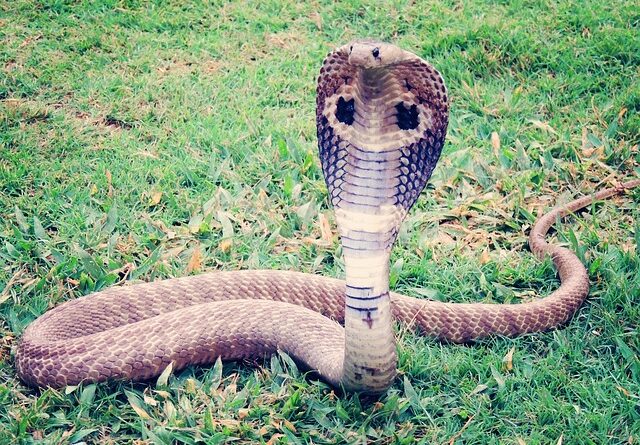
In tattoo art, the cobra’s raised hood conveys dominance and readiness. Its poised stance symbolizes alertness and control over one’s surroundings. Many view this imagery as a reflection of inner strength, leadership, and fearlessness. A cobra tattoo meaning often communicates not aggression but mastery—an assertion that true authority arises from discipline rather than chaos.
Transformation and Rebirth Through the Cobra Motif
The symbolism of the cobra extends into themes of personal metamorphosis. Its natural behaviors offer profound metaphors for renewal.
Shedding Skin as a Metaphor for Renewal
The shedding process is central to how people interpret the cobra tattoo meaning. Each time it sheds its skin, the snake emerges renewed—an apt metaphor for personal growth or rebirth after hardship. This cycle mirrors life itself: death giving way to regeneration. For tattoo enthusiasts, this act often represents leaving behind an old identity or past struggle to embrace transformation.
The Spiritual Aspect of Transformation
In Hinduism and Buddhism, serpents are associated with kundalini energy—the coiled force at the base of the spine believed to rise through meditation toward enlightenment. A cobra tattoo may thus symbolize spiritual awakening or ascension through heightened awareness. This connection unites physical imagery with metaphysical progress: transformation not just of body but consciousness itself.
Artistic Interpretations of Cobra Tattoo Meaning
Tattoo artists interpret cobras in diverse ways depending on cultural context or personal resonance. Each style adds nuance to its layered symbolism.
Variations in Design and Their Symbolic Nuances
Realistic Cobra Tattoos
Realistic designs emphasize lifelike details—scales glistening under light or eyes fixed in focus—to convey authenticity and respect for nature’s precision. Such tattoos highlight admiration for raw power contained within form.
Tribal or Abstract Designs
Tribal renditions draw from indigenous patterns where stylization matters more than realism. These designs celebrate heritage while allowing room for individual storytelling through linework rather than literal depiction.
Combined Motifs (Skulls, Lotus, Daggers)
When paired with other symbols like skulls or lotuses, cobras gain added layers of meaning: death balanced by rebirth; danger tempered by serenity; vitality intertwined with mortality.
Color Symbolism in Cobra Tattoos
Color choice also influences interpretation. Black ink suggests mystery and endurance; gold or red tones evoke vitality and divine protection; blue or green hues connect to healing energies or nature’s cycles. Artists often blend these palettes to express emotional depth alongside visual impact.
Psychological Interpretations Behind Choosing a Cobra Tattoo
Beyond aesthetics lies psychology—the reasons individuals gravitate toward certain symbols reveal much about their inner state.
The Cobra as an Expression of Inner Identity
Choosing a cobra tattoo often signals control over instinctual drives or emotional turbulence. It serves as visible affirmation of resilience after adversity—a statement that strength can coexist with calm restraint. Such imagery resonates with those who value adaptability and strategic intelligence in life’s unpredictable terrain.
The Dual Nature of Power Embodied in the Cobra Image
The cobra embodies duality: creator and destroyer within one being. This dual aspect reminds wearers that power must be guided by intention—used for defense rather than domination. Many interpret it as mastery over primal forces inside oneself instead of control over others. It encourages balance between assertiveness and patience within personal philosophy.
Cross-Cultural Perspectives on the Cobra’s Symbolism in Tattoos
Cultural lenses profoundly shape how people perceive serpentine imagery—from sacred guardianship in Eastern art to cautionary tales in Western lore.
Eastern Interpretations: Wisdom and Divine Energy
In Indian iconography, cobras guard temples and deities as protectors maintaining cosmic order. Their presence signifies latent spiritual energy awaiting activation—the rise toward enlightenment through disciplined awareness.
Western Perspectives: Danger, Temptation, and Control Over Fear
In Western contexts influenced by biblical narratives, snakes often represent danger or temptation yet also victory over fear when subdued or coiled calmly. A tattoo depicting such restraint may symbolize triumph over destructive impulses—fear faced head-on but contained within one’s willpower.
Integrating Personal Meaning into Cobra Tattoo Design
Modern tattooing thrives on collaboration between artist and client where tradition meets individuality.
Aligning Symbolism with Individual Experience
Artists frequently work closely with clients to embed personal narratives within traditional motifs—turning universal symbols into intimate stories. Placement matters too: wrapping around limbs can signify ongoing protection while chest placement implies courage rooted near the heart.
Evolving Interpretations in Contemporary Tattoo Culture
Today’s interpretations merge ancient mythology with psychological insight and contemporary style innovations like geometric framing or minimal outlines. Despite changing trends, the cobra remains enduringly relevant for those exploring transformation, resilience, or disciplined strength through body art expression—a living emblem etched into skin yet resonating far deeper within spirit.
FAQ
Q1: What does a cobra tattoo generally symbolize?
A: It typically represents power, protection, transformation, and spiritual awakening rooted in ancient cultural beliefs about serpents’ divine roles.
Q2: Why do some people associate cobras with rebirth?
A: Because snakes shed their skin periodically, symbolizing renewal after struggle—a metaphor for personal evolution or second chances.
Q3: How do colors affect a cobra tattoo meaning?
A: Different hues carry distinct messages—black for mystery, red for vitality, blue for wisdom—each amplifying emotional tone within design context.
Q4: Are cobra tattoos common across all cultures?
A: While universal in appeal today, their original reverence stems mainly from Asian traditions where cobras were sacred guardians linked to gods.
Q5: What kind of person might choose a cobra tattoo?
A: Often individuals seeking symbols of resilience or mastery—those who’ve faced adversity yet emerged stronger prefer its poised defiance as lasting reminder.