
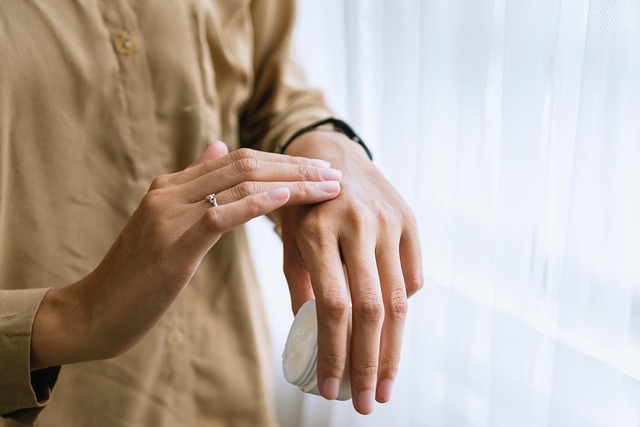
How Does New Tattoo Care Influence Skin Healing and Ink Longevity
Tattoo Aftercare, Skin Healing, Ink Longevity, Photoprotection, Hygiene
New tattoo care is not just about keeping the skin clean; it is a biological and environmental balancing act that determines pigment stability and long-term visual quality. The healing process involves cellular regeneration, immune modulation, and barrier repair. Each step—from hygiene to moisturization and photoprotection—affects how ink settles in the dermis. When properly managed, tattoos retain their sharpness and color for years, while poor care can lead to fading or scarring. Professionals recognize that tattoo aftercare is a scientific routine shaped by dermatologic principles rather than aesthetic preference.
The Relationship Between New Tattoo Care and Skin Healing
Tattooing involves more than artistry; it triggers a physiological sequence similar to wound repair. Understanding how skin behaves post-tattoo helps professionals predict outcomes and guide clients effectively.
The Biological Process of Skin Healing After Tattooing
Tattooing causes controlled trauma to the epidermis and dermis, prompting an immediate inflammatory response. During this phase, white blood cells remove debris while fibroblasts begin collagen synthesis. Over several days, keratinocytes migrate to close the wound surface. As remodeling occurs, pigment particles become encapsulated within fibroblasts in the dermal layer. Proper new tattoo care during this period prevents scarring and pigment migration. Neglecting aftercare can result in uneven healing or ink distortion due to infection or mechanical irritation.
Factors That Influence Healing Efficiency
Healing speed varies widely among individuals. Age reduces collagen turnover; compromised immune systems prolong inflammation; oily or dry skin alters epidermal regeneration patterns. Environmental factors like humidity also play roles—high humidity promotes hydration but may slow crust formation, while dry air accelerates flaking that risks pigment loss. The choice of topical products is equally decisive: formulations with balanced emollients support barrier recovery, whereas occlusive ointments can suffocate tissue renewal.
The Role of Hygiene in Promoting Optimal Recovery
Hygiene forms the foundation of effective tattoo healing because it directly influences infection control and tissue integrity.
Importance of Cleanliness During the Initial Healing Phase
During the first 48 hours, plasma exudate accumulates on the surface as part of clot formation. Gentle cleansing removes dried fluids without damaging regenerating epithelial cells. Using sterile gauze and fragrance-free cleansers keeps microbial load low while maintaining pH balance. This phase sets the tone for subsequent recovery; even minor contamination can lead to folliculitis or cellulitis that disrupts pigment retention.
Common Hygiene Mistakes That Compromise Skin Health
Excessive washing strips sebum needed for natural protection, leaving microfissures prone to irritation. Harsh antiseptics containing alcohol or hydrogen peroxide delay epithelialization by denaturing proteins. Tight clothing increases friction over fresh tattoos, especially on joints or torso areas where movement causes rubbing. Ignoring redness or swelling beyond normal inflammation may allow bacterial colonization that destroys pigment clusters beneath the epidermis.
Moisturization and Its Effect on Ink Retention
Hydration management is often underestimated in new tattoo care yet plays a crucial role in maintaining color density and texture uniformity.
Maintaining Epidermal Hydration for Balanced Healing
Moisture supports keratinocyte migration across the wound bed and regulates enzymatic activity involved in collagen remodeling. Adequate hydration prevents cracking that could cause pigment leakage from deeper layers. Emollients with humectant properties maintain flexibility without clogging pores, reducing scab formation that might lift embedded ink prematurely.
Choosing Appropriate Aftercare Formulations
Selecting aftercare products requires understanding ingredient functionality rather than brand appeal.
Key Ingredients for Post-Tattoo Recovery
Panthenol enhances cellular proliferation by converting into vitamin B5 within skin tissues; allantoin soothes irritation while promoting granulation tissue formation; ceramides rebuild lipid matrices essential for barrier resilience. Natural oils such as jojoba mimic sebum composition, offering lightweight lubrication that minimizes transepidermal water loss.
Ingredients to Avoid During Healing
Alcohol-based toners dehydrate skin layers; synthetic fragrances introduce allergens that may trigger contact dermatitis; petroleum-heavy ointments restrict oxygen diffusion necessary for fibroblast activity. These substances interfere with oxygen exchange at the wound interface and delay full recovery.
Photoprotection as a Determinant of Ink Longevity
Even after complete healing, ultraviolet exposure remains one of the most destructive factors affecting tattoo brightness and definition.
The Impact of Ultraviolet Radiation on Pigment Stability
UV rays cause photooxidation of organic pigments leading to visible fading over months or years. Continuous sun exposure also degrades collagen fibers surrounding ink particles, making lines appear blurred as dermal structure weakens. For colored tattoos containing red or yellow pigments, UV sensitivity is particularly high due to their chemical composition.
Effective Photoprotective Strategies for Healed Tattoos
Once healed—typically after four weeks—consistent photoprotection becomes a lifelong habit rather than an optional step.
Sunscreen Application Guidelines
Broad-spectrum SPF 30+ sunscreens block both UVA and UVB radiation responsible for pigment oxidation and elastin breakdown. Regular reapplication every two hours during outdoor activities maintains coverage continuity even when sweating or swimming reduces film thickness.
Physical Barriers for Long-Term Preservation
For extended outdoor work or travel in high UV regions, physical barriers such as UV-resistant sleeves or breathable bandages provide additional defense without chemical dependence. These measures are especially valuable during peak sunlight hours when radiation intensity peaks between 10 a.m.–4 p.m.
Nutritional and Systemic Factors Affecting Skin Regeneration and Ink Quality
Skin health reflects internal physiology as much as external care routines; nutrition directly influences cell metabolism essential for effective wound repair.
The Role of Nutrition in Wound Repair Processes
Vitamins A, C, E act synergistically to stimulate collagen synthesis while neutralizing oxidative stress generated during inflammation. Zinc supports enzyme systems involved in DNA replication necessary for rapid cell turnover. Adequate protein intake ensures amino acid availability for structural rebuilding of dermal tissues. Hydration status further modulates nutrient transport efficiency throughout microcirculation networks feeding regenerating zones.
Systemic Conditions That May Delay Healing or Alter Pigment Retention
Chronic diseases like diabetes impair angiogenesis and reduce oxygen supply at wound edges; vascular disorders limit nutrient diffusion; autoimmune conditions disrupt inflammatory control mechanisms causing prolonged redness or delayed closure. Corticosteroid therapy suppresses macrophage function vital for debris clearance around ink deposits, potentially leading to uneven pigmentation outcomes.
Long-Term Maintenance Practices for Tattoo Longevity
Tattoo preservation extends beyond initial healing—it becomes part of ongoing dermatologic maintenance similar to skincare regimens used by professionals managing chronic conditions like eczema or photoaging.
Routine Skin Care Beyond Initial Healing Phase
Regular exfoliation using mild lactic acid formulations prevents keratin buildup that dulls surface appearance without disturbing pigment depth. Continuous moisturization with ceramide-based creams maintains elasticity so designs remain crisp even as skin ages naturally over decades.
Monitoring Changes Over Time for Professional Interventions
Dermatologic evaluations every few years help identify early signs of allergic reactions to metallic pigments or gradual fading due to sun exposure history. Professional touch-ups performed under sterile technique reintroduce color precisely into existing outlines without unnecessary trauma—a standard practice among experienced tattoo artists maintaining portfolio consistency across time.
FAQ
Q1: How long does a new tattoo typically take to heal?
A: Most tattoos heal within two to four weeks depending on size, placement, and individual immune response quality.
Q2: Can moisturizers be applied immediately after getting a tattoo?
A: Only after initial plasma weeping stops—usually 24 hours later—should light moisturizers be introduced to prevent maceration.
Q3: Why does sun exposure fade tattoos even years later?
A: UV radiation breaks down pigment molecules through oxidation reactions that weaken color bonds inside dermal tissue.
Q4: Are petroleum-based ointments suitable for all tattoos?
A: No, they can trap heat and moisture under occlusion which slows oxygen flow critical during epithelial repair stages.
Q5: What dietary habits support faster tattoo healing?
A: Diets rich in lean proteins, vitamin C sources like citrus fruits, zinc from nuts or seeds enhance collagen production vital for durable ink retention.