
Are Maori People Tattoos Transforming the Identity of New Zealand’s Maori Women
New Zealand’s Maori Women Reclaim Ancestral Chin Tattoos
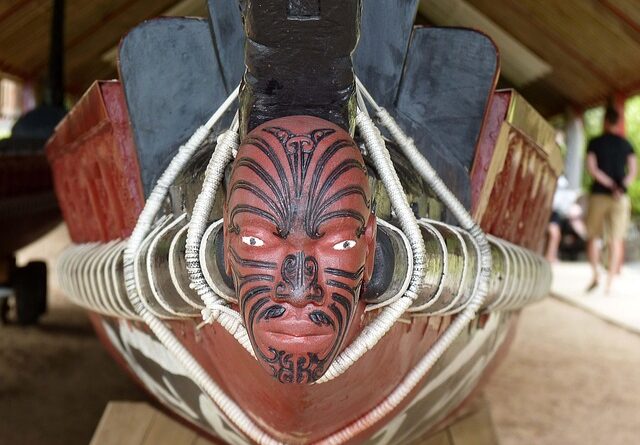
The revival of moko kauae among Māori women represents more than body art; it is a declaration of cultural survival. Once suppressed by colonial rule, these ancestral chin tattoos now stand as visible emblems of identity and mana. Across New Zealand, Māori women are reclaiming tā moko as a living practice that connects them to whakapapa and asserts indigenous sovereignty. This resurgence reflects a broader movement among the Māori people to restore language, ceremony, and traditional artistry within modern society.
Cultural Revival Through Māori Tattoos
The return of tā moko is not merely aesthetic; it signals a deep reconnection with history and social order. For Māori women, the moko kauae is both personal and political—an act that bridges generations while confronting the legacy of colonization.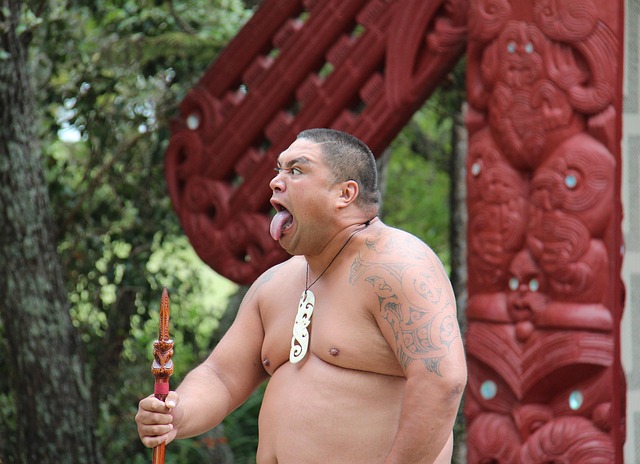
The Historical Significance of Tā Moko Among Māori Women
Traditionally, tā moko conveyed genealogy, social rank, and personal milestones. For women, the moko kauae carried profound meaning, symbolizing spiritual authority and ancestral connection. These designs were not arbitrary; each line reflected whakapapa and community belonging. During colonization, however, such expressions were discouraged or banned under assimilation policies that sought to erase indigenous identity. The decline in tā moko practice mirrored broader cultural suppression, including restrictions on te reo Māori and customary leadership roles for women.
The Resurgence of Tā Moko in Contemporary Māori Society
In recent decades, tā moko has re-emerged as part of cultural reclamation movements across Aotearoa. Younger generations view it as an assertion of pride and resistance against colonial narratives. Tattoo artists trained in traditional methods now reinterpret ancient motifs through modern tools while maintaining their symbolic integrity. This revival aligns with broader decolonization efforts that emphasize self-determination and indigenous aesthetics within public life.
Reclaiming Identity Through Moko Kauae
The act of wearing a moko kauae today holds transformative power for Māori women. It intertwines heritage with contemporary identity, creating a dialogue between past and present.
The Role of Ancestral Tattoos in Shaping Modern Māori Womanhood
Moko kauae functions as a visible link between ancestors and descendants. It is not only ornamentation but testimony to lineage and continuity. For many women, receiving the tattoo involves spiritual preparation—karakia (prayers), fasting, or reflection—and strong community support. This process reinforces collective values where individual expression serves communal legacy.
The Intersection of Gender, Culture, and Empowerment
Historically, moko kauae affirmed leadership within iwi structures. In modern times it also challenges Western beauty ideals that once marginalized indigenous features. By choosing to wear their ancestral marks openly, Māori women redefine femininity through cultural strength rather than conformity. Each tattoo becomes a statement of resilience—a way to assert self-determination amid ongoing social inequities.
Artistic Expression and Cultural Protocols
Tā moko artistry balances tradition with adaptation. While technique has evolved over time, its protocols remain grounded in tikanga (customary law) that governs who can perform and receive these sacred markings.
Traditional Techniques Versus Modern Tattoo Practices
Historically carved using uhi chisels that etched pigment into skin, traditional tā moko left textured grooves symbolizing permanence. Today’s practitioners often use needles for hygiene compliance yet retain original patterns representing ancestry or tribal affiliations. Artists navigate between honoring authenticity and meeting health standards while preserving the ritual essence embedded in every design.
Ethical Considerations in Practicing Tā Moko Today
Cultural integrity is paramount: only trained Māori practitioners with genealogical authority perform moko kauae ceremonies. Non-Māori imitation raises ethical concerns about appropriation and respect for sacred symbols. Protocols require validation through whakapapa consultation and informed consent from both artist and recipient. These steps safeguard tā moko from commercialization while affirming its role as living heritage rather than fashion trend.
Social Perception and Representation in Modern New Zealand
Public attitudes toward tā moko have shifted dramatically over the last generation. What was once stigmatized now increasingly symbolizes national diversity and pride.
Changing Attitudes Toward Māori Tattoos in Public Spaces
Decades ago, visible tattoos could hinder employment or provoke discrimination; today they appear across workplaces, universities, even Parliament halls. Prominent figures wearing moko kauae challenge residual colonial biases by normalizing indigenous visibility in leadership roles. Their presence reframes professionalism through bicultural representation rather than assimilation.
Media Representation and Cultural Narratives
Documentaries and photography projects now highlight personal stories behind each tattoo—stories of rediscovery after generations of silence. Such representation fosters mutual respect across cultures while amplifying authentic voices within media discourse. Digital platforms further expand these conversations globally, connecting diaspora communities who seek reconnection through visual culture.
Global Indigenous Connections Through Body Art
The revival of tā moko resonates beyond New Zealand’s shores as part of a wider indigenous renaissance linking body art with sovereignty movements worldwide.
Parallels Between Māori Tā Moko and Other Indigenous Tattoo Traditions
Similar revivals appear among Inuit facial markings in Canada’s Arctic regions or Samoan tatau ceremonies across the Pacific Islands. Each movement shares themes of decolonization, spiritual renewal, and gender empowerment through body inscription. Cross-cultural exchanges among indigenous artists foster solidarity by recognizing shared struggles for recognition within postcolonial societies.
The Future of Māori Tattoo Identity in a Globalized World
As globalization spreads exposure to tā moko imagery online, maintaining its sacred context becomes crucial. Education programs led by elders help transmit correct practices to younger artists while discouraging misuse by outsiders. International exhibitions increasingly frame tā moko not just as art but as an evolving conversation about belonging in contemporary Aotearoa—anchored firmly in tikanga despite global reach.
FAQ
Q1: What does the moko kauae symbolize for Māori women?
A: It represents lineage (whakapapa), authority (mana), and connection to ancestors while serving as a personal affirmation of identity within community traditions.
Q2: How did colonization affect traditional tā moko practices?
A: Colonial authorities discouraged or banned facial tattoos under assimilation laws aimed at erasing indigenous customs, leading to decline until recent revivals.
Q3: Who can perform a traditional moko kauae?
A: Only trained Māori practitioners with recognized genealogical authority may perform it following strict cultural protocols ensuring authenticity and respect.
Q4: Why are modern tools used instead of traditional chisels?
A: Contemporary artists often use needles due to hygiene regulations but preserve original motifs and meanings rooted in ancestral symbolism.
Q5: How does tā moko connect to global indigenous movements?
A: It parallels other indigenous tattoo revivals emphasizing cultural reclamation, female empowerment, and resistance against historical erasure across nations sharing similar experiences with colonization.