Thorn tattoo meaning, symbolism, and design ideas
What does a thorn tattoo mean?
A thorn tattoo most often represents protection, resilience, survived pain, personal boundaries, sacrifice, or beauty that comes with risk. The meaning is rarely one-dimensional. A small thorn can feel private and minimalist, while a crown of thorns carries a clear Christian association with suffering, humility, and redemption. A rose with thorns adds tension to ideas of love, grief, passion, or memory: the flower is beautiful, but it is not harmless.
That contrast is why thorn imagery works well in tattoo art. It can look delicate or severe, natural or sacred, romantic or defensive. If you are comparing related symbols, our broader guide to tattoo meanings can help you place thorn designs in a wider symbolic context.
Core meanings behind thorn tattoos
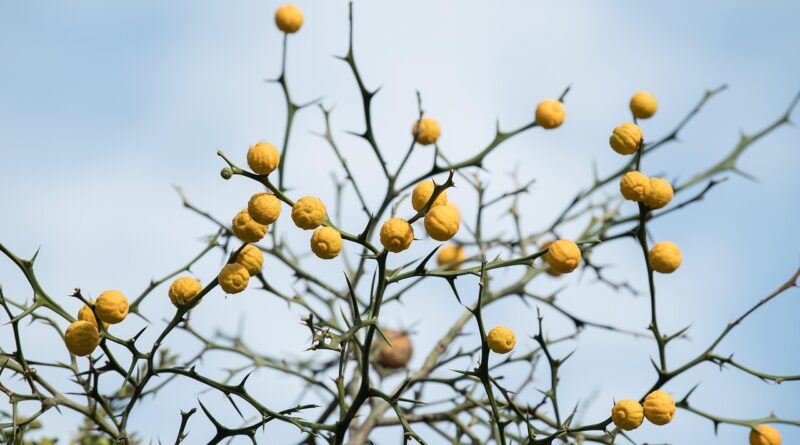
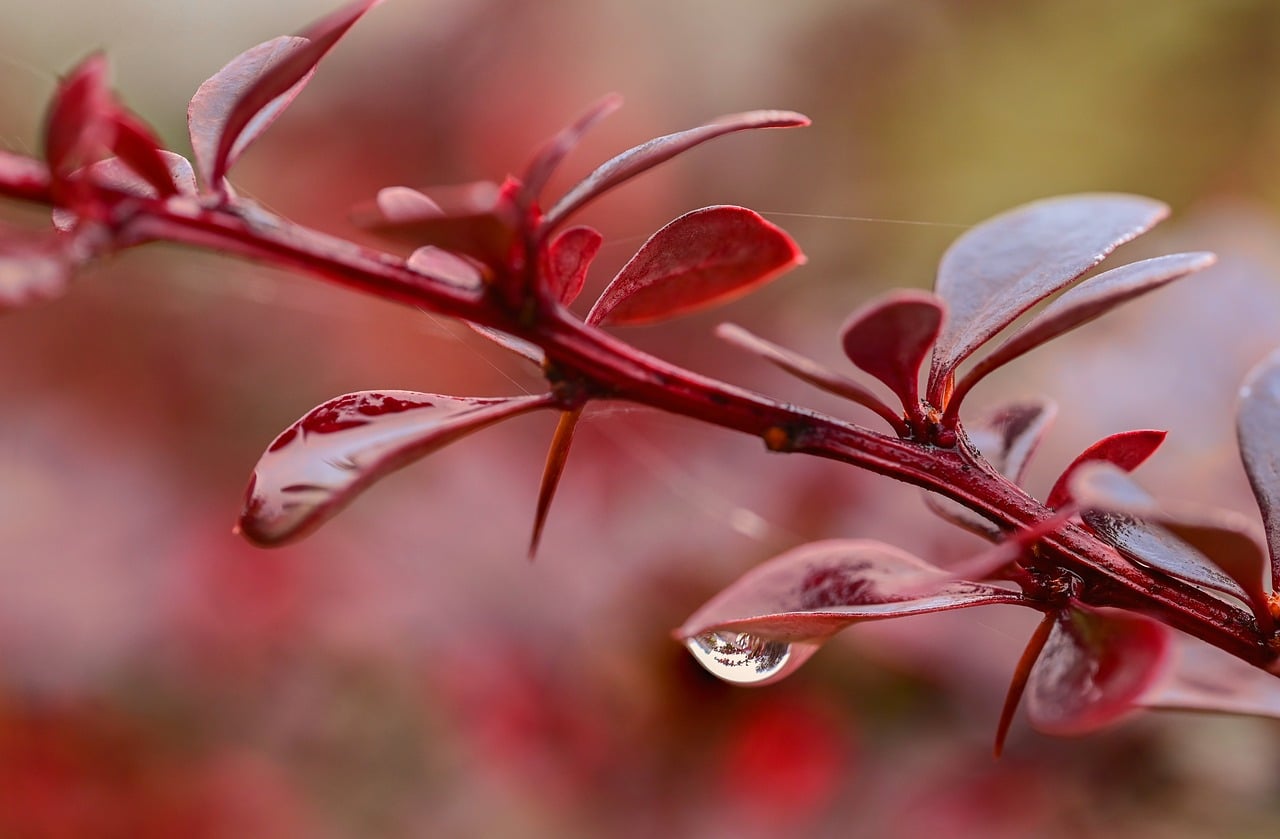
Thorns are simple visual forms, but they carry strong emotional weight because they combine two ideas that normally sit apart: growth and danger. A thorn grows from a living plant, yet it warns others not to come too close. In tattoo design, that tension creates several common meanings.
Resilience after pain
Many people choose thorn tattoos to mark a difficult period they survived. Unlike a broken chain or a phoenix, a thorn does not always suggest dramatic transformation. It can be quieter: pain happened, the body endured it, and the person kept growing. A single thorn, a thorny branch, or a vine wrapping around a scar can communicate this idea without spelling it out.
Protection and boundaries
In nature, sharp plant structures help defend a plant from being eaten or damaged. Tattoo symbolism often turns that biological function into a personal one. A thorn tattoo can say, “I am open, but not unguarded.” It may represent emotional boundaries, self-respect, caution after betrayal, or the decision to protect one’s peace. This is one reason thorn bands around the wrist, arm, ankle, or neck are popular: the placement itself can look like a protective border.
Beauty with consequence
When thorns appear with roses or other flowers, they change the mood immediately. A flower alone often reads as love, beauty, memory, growth, or softness. Add thorns, and the message becomes more layered. It may suggest love that required sacrifice, grief attached to something beautiful, passion that can wound, or the truth that valuable things are not always easy. This is especially common in rose thorn tattoos, where the stem matters as much as the bloom.
Sacrifice, faith, and redemption
The crown of thorns has a specific religious history in Christianity. In the Gospel accounts of Matthew, Mark, and John, Roman soldiers place a crown of thorns on Jesus before the crucifixion as part of the mockery of his kingship. Because of that context, a crown of thorns tattoo can represent faith, suffering, humility, atonement, endurance, or spiritual devotion. It is one of the thorn designs most likely to be read as religious, even when drawn in a minimal style.
Common thorn tattoo designs and what they suggest
The meaning of a thorn tattoo changes significantly with shape, surrounding elements, and placement. The table below breaks down common design choices and the readings they usually invite.
| Design | Common meaning | Design note |
|---|---|---|
| Single thorn | Quiet strength, a remembered wound, self-protection | Works well as a small fine-line tattoo, but it needs enough contrast to stay readable. |
| Thorn vine | Endurance, growth through hardship, boundaries | Often wraps around the arm, wrist, ankle, ribs, or collarbone. |
| Crown of thorns | Christian faith, sacrifice, suffering, redemption | Likely to be interpreted as religious, especially with a cross, halo, blood drops, or scripture. |
| Rose with thorns | Love with pain, beauty protected, memory, passion, grief | The color of the rose can shift the tone: red feels passionate, black feels mournful, and white feels more spiritual or memorial. |
| Heart with thorns | Guarded love, heartbreak, emotional survival | Can look romantic, gothic, sacred, or surreal depending on the style. |
| Cross with thorns | Faith, sacrifice, devotion, suffering transformed into hope | This is one of the clearest Christian thorn tattoo combinations. |
| Thorn armband | Protection, toughness, a personal boundary, ongoing struggle | Can be mistaken for barbed wire if the thorns are drawn in a harsh, mechanical way. |
| Butterfly with thorns | Transformation after pain, fragile beauty with defense | Useful when the wearer wants a softer design without removing the edge of the symbol. |
| Dagger or snake with thorns | Danger, survival, betrayal, temptation, rebirth | This combination creates a darker and more dramatic message. |
Thorn tattoo vs rose thorn tattoo vs barbed wire tattoo
Thorn tattoos are sometimes confused with rose thorn tattoos and barbed wire tattoos, but the meanings are not identical. A plain thorn design usually feels organic and personal. It suggests a natural defense: something living that learned how to protect itself. The mood can be elegant, severe, spiritual, or minimalist.
A rose thorn tattoo is more emotional because the flower brings love, beauty, memory, and tenderness into the design. The thorns do not cancel the flower’s meaning; they complicate it. A rose with thorns may mean that love was worth the pain, that beauty deserves protection, or that grief and devotion can exist together.
Barbed wire, by contrast, is man-made. It often suggests restriction, imprisonment, toughness, rebellion, danger, or a harsh boundary. A thorn vine can feel like guarded growth, while barbed wire can feel like confinement or resistance. If you want a natural symbol, ask your artist to make the vine irregular and botanical, with varied thorn sizes. If you want a more aggressive look, sharper angles and repeated spikes will move the design closer to barbed wire.
Placement and style ideas for thorn tattoos
Placement affects both the symbolism and the way the tattoo will age. Thorn designs rely on linework, negative space, and sharp points, so they need careful sizing. If the thorns are too tiny or too crowded, they can blur together over time.
Wrist, arm, and ankle bands
A thorn band around the wrist, forearm, bicep, or ankle is one of the clearest ways to express boundaries or protection. It can look like armor, a living bracelet, or a reminder of endurance. Thin fine-line bands feel subtle and personal. Heavier blackwork bands feel more intense and graphic. For a full wrap, make sure the stencil is checked from every angle so the vine flows naturally when the body moves.
Neck, collarbone, and chest
Thorns around the neck or collarbone can feel powerful because the area is highly visible and symbolically vulnerable. A collarbone vine can look elegant, while a neck ring may read as bold, sacred, or confrontational. Chest placements work especially well for crown of thorns, heart with thorns, or thorn-and-cross designs because the placement reinforces themes of faith, love, pain, and devotion.
Hands, fingers, and behind the ear
Small thorn tattoos on fingers, hands, or behind the ear are visually striking, but these placements can be more prone to fading or distortion because of frequent movement, washing, sun exposure, and thinner skin. If you want a tiny thorn in one of these areas, keep the design simple. A clean silhouette often lasts better than a highly detailed miniature vine. See also: tattoo care.
Fine line, blackwork, realism, and color
Fine-line thorn tattoos are popular because they match the natural shape of a vine. They are best for delicate, minimal, or elegant designs. Blackwork makes thorns feel heavier, more protective, and more dramatic. Realism works well for rose stems, botanical pieces, and religious designs where texture matters. Red accents can suggest blood, passion, sacrifice, or danger, but they should be used intentionally because even a small red detail can make the design feel more intense.
Religious and cultural considerations
Not every thorn tattoo is religious, but some thorn imagery carries strong religious associations. A circular crown, especially when paired with a cross or blood drops, will often be read as a crown of thorns. For Christian wearers, that may be the point. For non-religious wearers, it may create confusion. If you want the design to mean boundaries, resilience, or natural defense rather than faith, consider a broken vine, rose stem, branch, or asymmetrical wrap instead of a crown shape.
Respect also matters. The crown of thorns is not just a decorative motif for many Christians; it is connected with the Passion of Christ and the suffering before the crucifixion. If you choose it for personal reasons rather than religious ones, be aware that other people may still read it through that sacred context. A good tattoo design does not have to explain itself to everyone, but it should not surprise you with meanings you did not intend.
There is also a botanical detail worth knowing: roses are commonly described as having thorns, but botanical sources such as rose societies and university plant guides often distinguish rose “prickles” from true thorns. In everyday tattoo language, however, “rose thorn tattoo” remains the normal phrase. You do not need to use the scientific term when planning a tattoo, but the distinction can help if you want a more accurate botanical design.
How to plan a thorn tattoo that feels personal
Before booking the appointment, decide what the thorn is doing in the design. Is it protecting something? Marking pain? Representing faith? Wrapping around the body like armor? Growing beside a flower? The answer should guide the style more than trend images do.
- Choose one main meaning. A thorn tattoo can carry many ideas, but the strongest designs usually lead with one: protection, survival, faith, grief, or love.
- Decide whether it should look natural or symbolic. Botanical thorns feel organic and personal. Symmetrical crowns and circular bands feel more symbolic or ceremonial.
- Keep enough spacing between points. Thorn designs need breathing room so the sharp shapes stay clear as the tattoo settles and ages.
- Think about visibility. A wrist or neck thorn will be noticed often. A rib, chest, thigh, or back piece can feel more private.
- Use references, not copies. Bring examples of thorn shapes, rose stems, crowns, or vine movement, but let the artist adapt them to your body.
- Plan aftercare seriously. Choose a professional studio, follow the artist’s healing instructions, and seek medical advice if redness spreads, pain worsens, pus appears, or fever develops.
The best thorn tattoo is not simply sharp-looking. It should make the relationship between beauty, pain, and protection clear in a way that fits your life and your body.
Frequently asked questions
Are thorn tattoos always religious?
No. Thorn tattoos can represent protection, resilience, pain, beauty, heartbreak, or personal boundaries without being religious. However, a crown of thorns, a cross with thorns, or a thorn ring with blood drops will usually be read through Christian symbolism.
What does a thorn vine tattoo mean?
A thorn vine tattoo often means growth through hardship, guarded strength, or a boundary that protects the wearer. Because vines grow and wrap, they can also suggest persistence, survival, and the way painful experiences become part of a person’s story.
What does a rose with thorns tattoo mean?
A rose with thorns usually means beauty with pain, love with risk, or devotion that has survived difficulty. It can be romantic, memorial, gothic, spiritual, or personal depending on the rose color, placement, and surrounding elements.
Is a thorn armband the same as a barbed wire tattoo?
Not exactly. A thorn armband looks organic and can suggest natural protection or resilience. A barbed wire tattoo is man-made and often reads as restriction, toughness, rebellion, or confinement. The line style determines how close the two symbols feel.
Where is the best place for a thorn tattoo?
The best placement depends on the message. Wrists, arms, and ankles work well for boundary symbolism. The chest suits faith, love, and sacrifice themes. Ribs and thighs allow longer vines. Hands and fingers can look striking but may need simpler designs because they often fade faster.