Are Covering Tattoo Designs the Smartest Option for Starting Fresh
Don’t Love Your Tattoo? 4 Creative Ways of Covering It Up and Starting Fresh
Tattoos often tell stories, but not every story ages well. For those who feel detached from an old design, covering tattoo designs offers a smart path to renewal without complete removal. Skilled artists can turn faded or unwanted ink into new visual narratives that align with current identity and taste. The process blends technical mastery with artistic reinvention, allowing individuals to move forward while keeping the body’s canvas intact.
Understanding the Concept of Covering Tattoo Designs
Covering tattoo designs involves more than hiding old ink—it’s about transformation. Artists approach each project as both a technical and emotional restoration, aiming to merge creativity with precision.
The Art and Purpose Behind Tattoo Cover-Ups
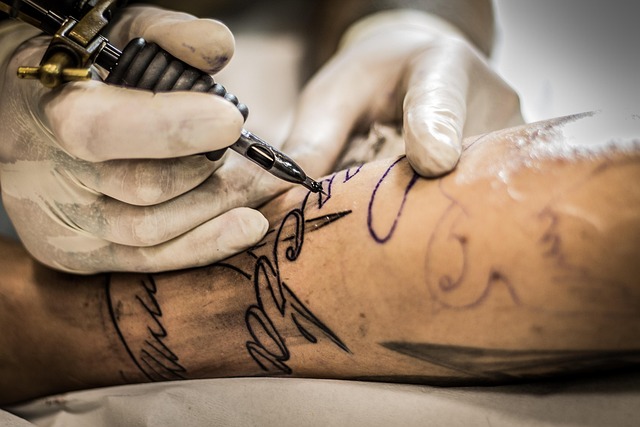
Cover-up tattoos serve as a creative solution for individuals seeking to modify or conceal existing ink. Professionals rely on color theory, layering, and precise shading to obscure older pigments beneath new imagery. Effective cover-ups require deep knowledge of how colors interact under skin tones and how light influences perception. The artist’s goal is not only visual disguise but also artistic harmony, ensuring the new piece feels intentional rather than corrective.
When Covering a Tattoo Becomes the Preferred Choice
People choose cover-ups for many reasons: outdated motifs, poor linework, or changes in personal meaning. Rather than erasing history entirely through laser removal, covering allows closure while preserving the physical space once occupied by the old tattoo. It becomes a symbolic act—turning regret into renewal—where one’s evolving self finds expression through art again.
Evaluating the Effectiveness of Tattoo Cover-Ups
The success of a cover-up depends on multiple variables tied to both skin and ink characteristics. Professional evaluation helps determine whether full coverage, modification, or partial fading is most effective.
Factors That Influence a Successful Cover-Up
Older tattoos tend to fade naturally, making them easier to mask than newer ones with saturated pigments. Placement matters too; areas with less sun exposure maintain color better and provide more predictable results. Artists trained in cover-up techniques understand how to redirect attention using contrast and composition. A successful outcome depends on balancing pigment density with design flow so that no trace of the former tattoo distracts from the final work.
Comparing Cover-Ups with Other Tattoo Correction Methods
Before committing to full coverage, some clients explore alternative correction methods that can enhance results.
Laser Removal as a Pre-Cover Technique
Partial laser fading has become common before cover-ups because it lightens dark inks that might otherwise limit design choices. By reducing saturation in targeted areas, artists gain flexibility in color selection and shading depth. Combining laser treatment with skilled artistry often yields cleaner transitions between old and new elements.
Modification vs. Full Coverage Approaches
Not every tattoo needs total concealment. Some can be reimagined through redesign or extension—integrating existing lines or motifs into a broader concept. This approach maintains continuity while refreshing aesthetics, particularly when sentimental value remains attached to parts of the original piece.
Creative Strategies for Starting Fresh with a Cover-Up Design
Innovation drives modern tattoo renewal practices. Artists use diverse visual strategies to disguise prior work while creating designs that stand independently as art.
Reimagining Old Tattoos Through Artistic Innovation
Abstract shapes, geometric patterns, or nature-inspired themes are popular because they divert focus from rigid outlines beneath them. Layered shading builds visual depth that conceals underlying ink effectively. Color inversion—using light over dark or vice versa—can shift attention away from old contours and emphasize new focal points.
Collaborating with Experienced Tattoo Artists
Choosing an artist experienced in covering tattoo designs is crucial for success. During consultation, professionals evaluate tone variation, scar tissue presence, and pigment layering possibilities. Custom sketches allow clients to preview transformations before any needle touches skin—a process that merges imagination with technical foresight.
Long-Term Considerations When Choosing a Cover-Up Design
Beyond initial excitement lies practical maintenance. A covered tattoo behaves differently from fresh ink due to its layered nature.
Maintenance and Longevity of Covered Tattoos
Heavier pigment application requires longer healing times since skin endures additional trauma during dense recoloring sessions. Over time, touch-ups may be needed as layers settle unevenly or fade at different rates. Proper aftercare—hydration, sun protection, gentle cleansing—preserves vibrancy across years.
Psychological Impact of Starting Fresh Through Body Art Renewal
A well-executed cover-up often brings emotional relief equal to aesthetic satisfaction. It represents reclaiming ownership over one’s appearance after past decisions lose relevance. For many clients, this process mirrors personal growth: letting go without erasing history entirely but rewriting it more truthfully.
Professional Insights on Making the Smart Choice for Tattoo Renewal
Tattoo renewal decisions benefit from professional guidance grounded in realistic assessment rather than impulse.
Assessing Whether a Cover-Up Is Truly the Right Option
Experienced artists analyze pigment density, placement constraints, and potential interference between old and new inks before recommending solutions. Sometimes partial fading or redesign offers better longevity than full coverage alone. Honest consultation helps align expectations with achievable outcomes.
Balancing Aesthetic Goals with Technical Constraints
Expert artists weigh creative ambition against skin characteristics such as texture variation or prior scarring. They plan compositions strategically so blending feels organic rather than forced. Successful projects balance artistry with engineering precision—a delicate mix where vision meets craftsmanship.
FAQ
Q1: How long should someone wait before covering an old tattoo?
A: Most professionals recommend waiting until the original tattoo has fully healed—typically three months—to avoid complications during re-inking.
Q2: Can all tattoos be covered successfully?
A: Not always; heavily saturated blackwork or large dense designs may need partial laser fading first for optimal results.
Q3: Does covering hurt more than getting a new tattoo?
A: Pain levels vary but can be slightly higher because artists often work deeper layers or repeat passes over scarred tissue from previous ink.
Q4: Will the original tattoo ever show through again?
A: Over time some faint outlines might reappear if aftercare is neglected or if pigments fade unevenly due to sun exposure.
Q5: How should one choose an artist for complex cover-ups?
A: Look for portfolios showing previous transformations similar in scale and color complexity; specialization in cover-up artistry is key for seamless blending outcomes.