Maori chin tattoo meaning and the story of moko kauae
What does a Maori chin tattoo mean?
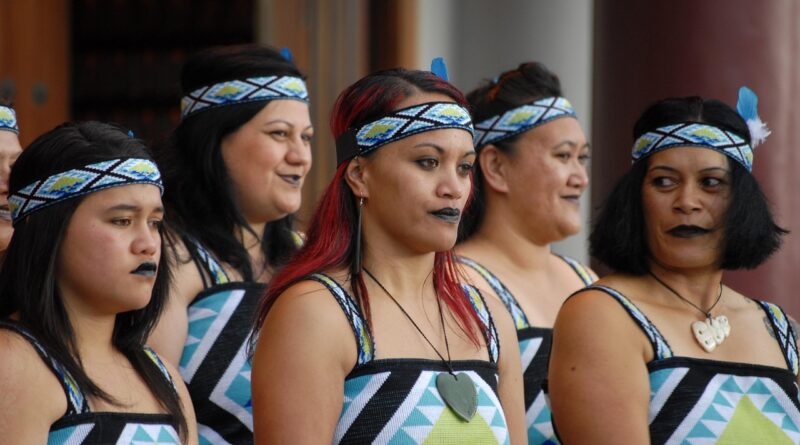
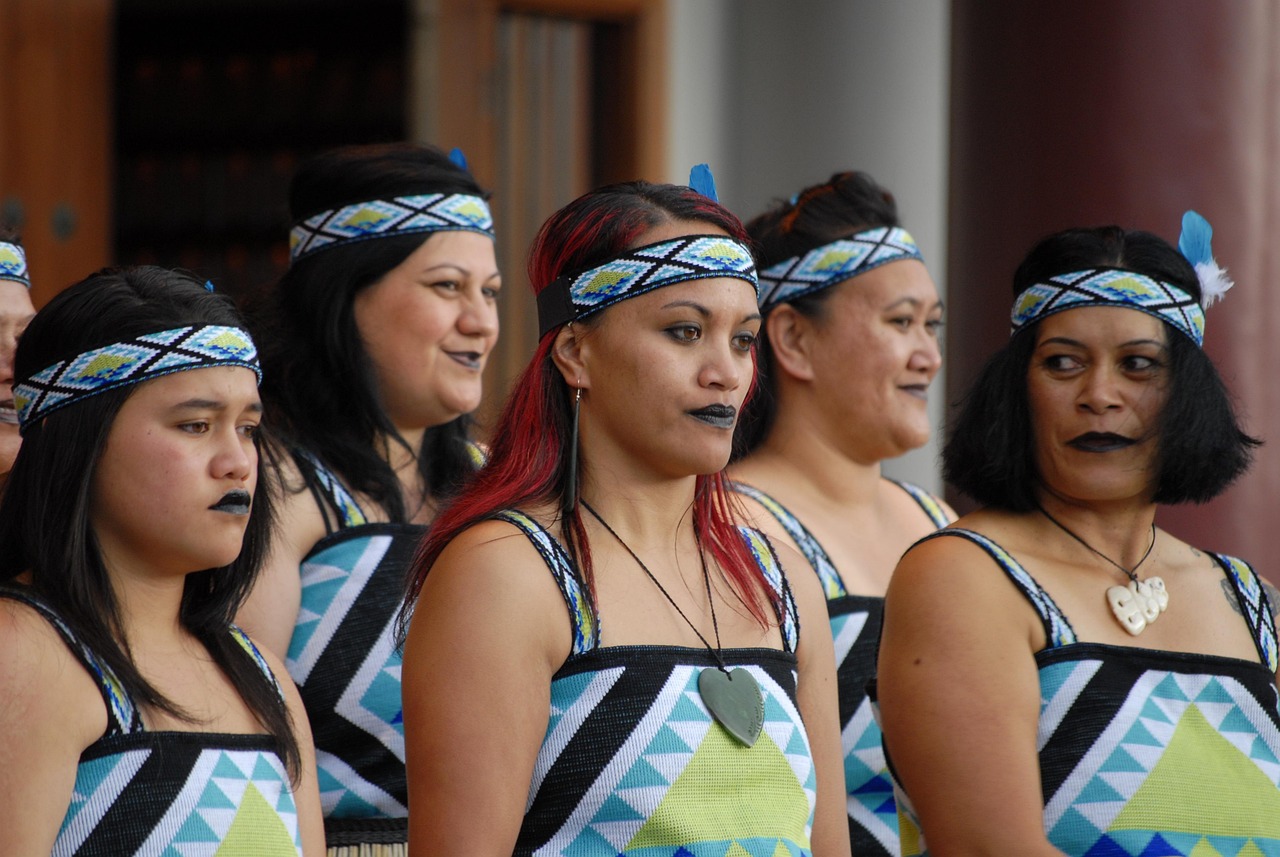
A Maori chin tattoo is most accurately known as moko kauae: a form of tā moko traditionally worn by Māori women on the chin and, in many historical descriptions, the lips. It is not a decorative facial tattoo or a pattern to copy from an image. Moko kauae is connected with whakapapa, mana, identity, womanhood and belonging. Its meaning depends on the wearer, her whānau and the cultural context in which it is received.
For readers exploring tattoo culture, moko kauae is a clear reminder that not every tattoo tradition can be understood through style alone. The visual form matters, but the cultural process behind it matters more. Museums and cultural sources such as Te Papa Tongarewa, Te Ara Encyclopedia of New Zealand and the Australian Museum describe tā moko as an art form with social, ancestral and spiritual dimensions, not simply body decoration.
Moko kauae, tā moko and the language of identity
The term moko kauae is often translated as chin moko. Kauae refers to the chin or jaw area, while moko is connected with Māori tattooing more broadly. Tā moko refers to the practice, process and art of Māori tattooing. In everyday English searches, people may use the phrase “Maori chin tattoo,” but within Māori cultural discussion, moko kauae is the more respectful and precise term.
Several Māori concepts are important for understanding why moko kauae carries such weight. Whakapapa refers to genealogy and layered descent relationships. Mana can mean authority, dignity, prestige, or inherited and earned standing. Whānau means extended family, while iwi and hapū refer to larger kinship and tribal groupings. Moko kauae may relate to these connections, but it is not a universal code that outsiders can read from a chart.
| Term | Basic meaning | Why it matters for moko kauae |
|---|---|---|
| Moko kauae | Chin moko | The term most often used for the Māori women’s chin and lip marking |
| Tā moko | Māori tattooing practice | The wider cultural art form that moko kauae belongs to |
| Whakapapa | Genealogy and descent | Connects the wearer to ancestors, family and tribal identity |
| Mana | Authority, dignity and status | Helps explain why moko has historically been treated with respect |
| Kirituhi | Often described as Māori-inspired skin art | A separate concept sometimes discussed for non-Māori wearers |
This distinction matters because many online discussions reduce moko kauae to a simple design-meaning question. A moko is not a generic symbol sheet. Its meaning is relational. The same visual element may not carry the same meaning for every person, and the authority to explain a specific moko rests with the wearer and the cultural process around its creation.
How moko kauae fits within the wider history of tā moko
Tā moko developed in Aotearoa New Zealand from wider Eastern Polynesian tattooing traditions. Te Papa explains that Pacific tattooing used uhi and tapping methods to place pigment into the skin, while Māori practice developed distinctive tools and techniques, including narrower implements that could cut grooves into the skin. This is one reason tā moko is often described differently from modern machine tattooing: historically, facial moko involved a carved, grooved effect as well as pigment.
Materials and methods changed over time. Traditional accounts describe pigments made from burned materials and stored with care. Te Ara records that European-introduced materials later affected tools and pigments; metal chisels became part of the practice after contact, and needles became more common by the First World War. These changes did not remove the cultural meaning of moko, but they did affect how it could be applied and healed.
In many summaries, men’s moko is associated with the face, thighs or buttocks, while women’s moko is especially associated with the chin, lips and sometimes shoulders. The Australian Museum’s overview describes tā moko as worn by both men and women, with women’s markings including the chin and lips. Official New Zealand tourism material also identifies moko kauae as the women’s lip and chin moko. These broad descriptions are useful, but they should not be treated as a complete guide to every iwi, period or individual experience.
A short timeline of decline, survival and revival
Moko kauae is sometimes presented online as if it disappeared and then suddenly returned. The history is more complex. The practice was affected by colonisation, missionary pressure, changing social conditions, violence around the trade in preserved tattooed heads, and later Māori cultural revitalisation. A timeline helps separate decline, continuity and revival.
| Period | What changed | Why it matters |
|---|---|---|
| Before large-scale European settlement | Tā moko was embedded in Māori social, artistic and ritual life | Moko carried meanings linked to identity, status and relationships |
| 1840 | Some chiefs reproduced their moko as signatures when signing the Treaty of Waitangi, as noted by Te Ara | This shows moko functioning as a personal mark of identity and authority |
| 19th century | The trade in preserved tattooed heads and colonial pressure contributed to decline | Facial moko became connected with danger, stigma and disruption as well as cultural memory |
| 1920s to 1930s | Some women received moko kauae during this period | The practice survived through living memory and personal testimony |
| 1950s | Te Ara notes that Māori women continued to receive moko kauae into this decade | This challenges the idea that moko kauae fully disappeared |
| 1970s to 1980s | The Māori renaissance encouraged renewed expression of Māori and tribal identity | Moko became part of a broader cultural and political revitalisation |
| Late 20th century to today | Moko kauae and moko kanohi became more visible among Māori public figures, artists and community leaders | Visibility reflects continuity, reclamation and ongoing debate about respect |
This timeline is not a complete history, but it adds context that simple tattoo meaning guides often miss. Moko kauae is not just an old custom revived for visual impact. It belongs to a wider story of Māori identity, colonial disruption, survival of knowledge and cultural self-determination.
Why moko kauae is not a template tattoo
One common mistake is to treat moko kauae like a pattern library. Search engines show demand for “Maori chin tattoo designs,” but a culturally grounded answer starts from the opposite point: moko kauae is not a template. It is not chosen because a curve, spiral or line looks attractive. It belongs within a process of relationship, permission and identity.
In traditional settings, tā moko was performed by tohunga tā moko, highly skilled specialists whose work carried prestige and tapu. Te Ara describes the process as demanding high respect because of its association with blood, ritual and the status of both practitioner and recipient. Even when contemporary tools differ from historical chisels, the cultural seriousness remains important.
That is why copying a moko kauae from a photograph is widely considered disrespectful. The design may belong to a living person, an ancestor, a whānau or a specific story. Copying it removes the relationship that gives it meaning and turns a personal and cultural marker into surface ornament. For people who admire Māori visual language but do not have Māori whakapapa, many practitioners and educators point instead to kirituhi as a separate category that can be designed with appropriate guidance.
Moko kauae and kirituhi are not the same
Kirituhi is often discussed as Māori-inspired tattooing that does not claim the genealogical authority of moko. The term is not a free pass to copy sacred or personal forms, and views can differ among Māori artists and communities. Even so, it is useful because it creates a boundary between culturally specific moko and designs made for people outside that identity context. See also: tattoo care.
For a non-Māori person, the more respectful question is not “Can I get a moko kauae?” but “How can I appreciate this tradition without claiming it?” In many cases, that means not wearing facial moko forms at all. It may mean learning more, supporting Māori artists and cultural institutions, or speaking with a knowledgeable Māori tattoo practitioner about whether a non-facial kirituhi design is appropriate.
This distinction also matters for tattoo artists outside New Zealand. A studio may be technically capable of drawing lines on the chin, but technical skill is not cultural authority. When a tattoo carries genealogical and social meaning, the question is not only whether the design can be done well. It is whether it should be done, who has the right to do it, and what context has been respected.
How to read moko kauae respectfully
Respectful viewing begins with restraint. Moko kauae is visible, but visibility does not make it public property. A wearer may choose to speak about her moko, or she may not. It is not appropriate to demand an explanation, touch the wearer’s face, photograph her without consent, or ask whether the marking is “real.” These behaviours reduce a cultural marker to curiosity.
Better learning starts with broader, less intrusive sources. Instead of asking a stranger to explain her personal moko, readers can turn to public cultural resources, exhibitions, Māori scholars, interviews where wearers have chosen to speak, and community-led education. Public sources such as Te Papa and Te Ara are useful starting points because they frame tā moko as culture, history and identity rather than a trend.
For tattoo enthusiasts, moko kauae also offers a wider lesson: meaningful tattoo traditions often include responsibilities as well as aesthetics. A line may look beautiful, but its beauty may come from belonging, memory and obligation. Good tattoo culture writing should avoid reducing Indigenous forms to inspiration boards and should give readers enough context to recognize cultural boundaries.
Frequently asked questions
Is a Maori chin tattoo the same as moko kauae?
In most English searches, “Maori chin tattoo” refers to moko kauae. Moko kauae is the more accurate cultural term, especially when discussing the chin and lip moko associated with Māori women.
Does every moko kauae have the same meaning?
No. Moko kauae is connected with identity, whakapapa, mana and belonging, but the meaning of a specific moko depends on the wearer and her cultural relationships. It should not be decoded from a generic symbol chart.
Can non-Māori people get moko kauae?
Non-Māori people should not treat moko kauae as a style choice. Many discussions distinguish moko, which is tied to Māori identity and whakapapa, from kirituhi, a separate Māori-inspired practice that may be created for non-Māori wearers by knowledgeable artists. Facial imitation is especially sensitive.
Is moko kauae made with traditional chisels today?
Historically, tā moko used uhi and carving methods that created grooved marks. Over time, metal tools, needles and tattoo machines became common. Contemporary practice varies by artist and context, but the cultural meaning is not defined only by the tool.
Why has moko kauae become more visible again?
Its visibility is linked to Māori cultural revitalisation, public reclamation of identity and the work of artists, scholars and community leaders. Te Ara connects the broader revival of moko with the Māori renaissance from the late 20th century, while contemporary visibility continues to evolve through living Māori practice.
The key takeaway
Moko kauae is best understood as a living cultural practice, not a tattoo trend. Its meaning comes from Māori identity, genealogy, authority, memory and personal commitment. For readers outside that world, the respectful response is to learn the correct terms, avoid copying personal or facial moko, and recognize that some tattoo traditions are not available simply because they are visible.