
Is Saniderm Tattoo Aftercare the Key to Dermatologist-Approved Healing
How to Take Care of a Tattoo, According to a Dermatologist
Proper tattoo care is not only about preserving the artwork but also about maintaining skin health during recovery. Dermatologists emphasize that healing efficiency depends on controlling inflammation, preventing infection, and supporting barrier restoration. Medical-grade dressings like Saniderm tattoo films have changed aftercare by offering a sterile healing environment that reduces scabbing and pigment loss. The best results come from balancing moisture retention with oxygen flow while minimizing external irritation.
Understanding the Science Behind Tattoo Healing
Tattoo healing is a coordinated biological process that determines the long-term appearance and stability of the ink. Each phase involves distinct cellular mechanisms that can be influenced by aftercare choices.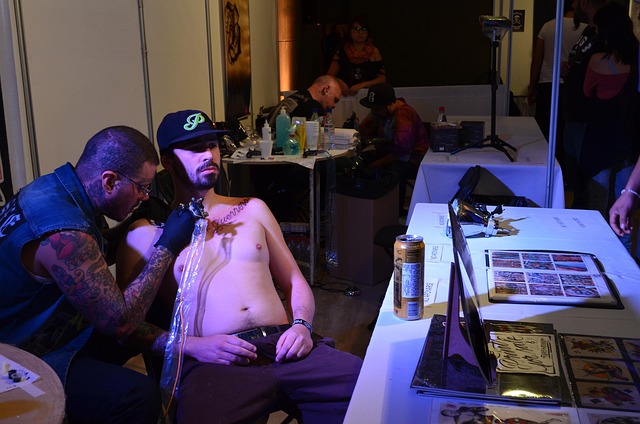
The Skin’s Response to Tattooing
Tattooing creates controlled micro-injuries in the dermis, triggering a cascade of repair signals. These punctures activate platelets, which release growth factors and start clot formation. Neutrophils and macrophages migrate to remove debris and pathogens while promoting tissue regeneration. Proper wound management at this stage minimizes pigment migration and prevents scar formation.
Phases of Tattoo Wound Repair
The inflammatory phase begins within hours after tattooing and lasts for several days as immune cells clear damaged tissue. Next, the proliferative phase starts; fibroblasts synthesize collagen and keratinocytes form new epithelial layers over the inked area. Finally, during maturation, collagen fibers reorganize to strengthen the dermal matrix, stabilizing pigment particles permanently within the skin.
The Importance of Controlled Healing Conditions
Maintaining optimal hydration and protection throughout these phases supports consistent color retention. When wounds dry out prematurely, scabs form, pulling pigment from the dermis. Moisture-balanced environments allow epithelial cells to migrate efficiently without disrupting ink placement.
What Is Saniderm and How Does It Work?
Dermatologists increasingly recommend Saniderm tattoo dressings because they combine clinical wound care principles with practical usability for artists and clients alike.
Composition and Mechanism of Action
Saniderm is a transparent polyurethane film used in medical settings for wound management. It creates a semi-permeable barrier that allows oxygen exchange but blocks bacteria, dust, and frictional contact. By maintaining a moist microclimate under the film, it accelerates epithelial regeneration while reducing transepidermal water loss.
Dermatological Rationale for Using Occlusive Dressings
Occlusive therapy has long been recognized in dermatology for its ability to enhance wound healing rates. By sealing moisture within the epidermis, these films reduce dehydration stress on new cells. They also limit exposure to irritants that might trigger secondary inflammation or infection—two major causes of delayed tattoo recovery.
Clinical Advantages Over Non-Occlusive Methods
Compared with open-air healing using ointments or balms, occlusive films like Saniderm provide more predictable outcomes. They reduce scab formation, preserve pigment density, and lower contamination risks from environmental sources such as clothing fibers or bedding friction.
Evaluating Saniderm in the Context of Tattoo Aftercare
The integration of medical-grade dressings into tattoo aftercare protocols has shifted traditional practices toward evidence-based approaches favored by dermatologists.
Comparison with Traditional Aftercare Methods
Conventional methods typically involve washing followed by topical ointments left exposed to air. While simple, this approach increases vulnerability to bacteria and airborne debris. In contrast, Saniderm provides an enclosed sterile surface where plasma exudate remains contained without drying into thick scabs.
Potential Benefits for Dermatologist-Endorsed Healing Protocols
Clinical observations show faster epithelial closure when occlusive dressings are used immediately post-tattoo. Reduced scabbing helps maintain color intensity by keeping pigment embedded in stable dermal layers. The flexible film also minimizes friction from clothing or sleeping positions—important for tattoos on joints or torso areas.
Long-Term Aesthetic Outcomes
Tattoos healed under controlled moisture often display smoother textures and sharper edges months later. This aligns with dermatologic findings that hydrated wounds produce more uniform collagen deposition compared with dry-healed ones.
Clinical Considerations for Dermatologists Recommending Saniderm
Before prescribing any occlusive dressing regimen, dermatologists must evaluate patient-specific factors including allergies, skin conditions, and lifestyle habits.
Patient Selection Criteria
Saniderm suits most individuals except those sensitive to adhesives or polyurethane compounds. It is particularly beneficial for tattoos located on high-friction zones like shoulders or thighs where mechanical irritation could disrupt healing. Patients with chronic inflammatory skin disorders such as eczema or psoriasis should use caution due to potential flare-ups under occlusion.
Application Best Practices from a Clinical Perspective
Preparation Before Application
The tattooed area should be cleaned gently with sterile water or mild antimicrobial solution to remove plasma residue before applying the film. Any residual fluid can compromise adhesion or cause maceration beneath the dressing.
Duration of Wear and Replacement Guidelines
The initial layer generally remains intact for 24–48 hours depending on exudate levels observed through transparency. Once removed, subsequent applications may continue until re-epithelialization completes—usually within five to seven days.
Monitoring for Adverse Reactions
Patients should monitor redness beyond tattoo margins or persistent itching as signs of hypersensitivity or overhydration. If maceration occurs (skin appearing overly soft or white), removal is advised followed by gentle air exposure before reapplication if necessary.
Integrating Saniderm into Evidence-Based Tattoo Care Protocols
Modern dermatologic care emphasizes synergy between clinical materials like Saniderm tattoo films and supportive skincare routines post-removal.
Synergy with Post-Tattoo Skin Care Regimens
After removing the final dressing layer, mild cleansing restores surface balance without stripping natural oils. Transitioning to non-comedogenic moisturizers helps maintain barrier integrity as keratinocytes mature fully over newly healed skin.
Future Directions in Dermatological Research on Tattoo Healing Films
Comparative studies examining hydrocolloid versus polyurethane dressings could clarify differences in pigment preservation rates. Long-term data remain limited regarding how occlusion influences ink stability years after application—a promising field for future dermatologic research collaborations between clinicians and professional artists.
Professional Insights on Optimizing Tattoo Healing Outcomes
Dermatologists play an essential role not only in treating complications but also in guiding preventive strategies that improve both safety and aesthetics of tattoos.
Role of Dermatologists in Educating Clients and Artists
Education bridges artistic practice with medical science. When dermatologists instruct artists on sterile technique and proper film handling, cross-contamination risks drop significantly. Similarly, clients who understand post-removal care achieve better texture uniformity across healed areas.
Ethical and Regulatory Considerations in Aftercare Product Recommendations
Transparency about material composition builds trust between practitioners and patients. Clinicians should recommend products supported by peer-reviewed evidence rather than marketing claims alone. Regulatory bodies overseeing cosmetic safety must verify that manufacturer data align with established dermatological standards before public endorsement.
FAQ
Q1: How long should Saniderm stay on a new tattoo?
A: Typically 24–48 hours initially; additional layers may be applied up to seven days depending on fluid accumulation and comfort level.
Q2: Can people shower while wearing Saniderm?
A: Yes, brief showers are acceptable since the film is waterproof yet breathable; however prolonged soaking should be avoided until full healing occurs.
Q3: What happens if redness appears around the edges?
A: Mild redness can be normal early on but spreading irritation suggests sensitivity—removal followed by observation is recommended before reapplying any adhesive dressing.
Q4: Does using Saniderm affect tattoo color brightness?
A: Studies indicate reduced scabbing preserves pigment vibrancy because less ink is lost during peeling stages compared with open-air healing methods.
Q5: Is Saniderm safe for all skin types?
A: Generally yes; it’s designed for medical use but those with adhesive allergies or chronic dermatitis should consult a dermatologist prior to application.