
Maori koru tattoo meaning, cultural context, and respectful design ideas
What a Māori koru tattoo means
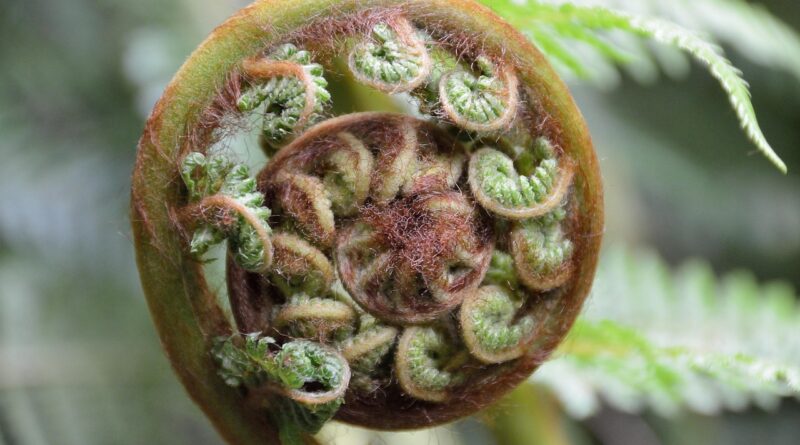
A Maori koru tattoo usually refers to a spiral design inspired by the unfurling fern frond. The form is widely associated with new growth, renewal, continuity, and connection. In Māori visual culture, though, the koru is not a decorative swirl with one fixed translation. Its meaning depends on context: the artist, the wearer, the placement, the surrounding motifs, and whether the work is part of tā moko, moko, or kirituhi.
For Māori wearers, these marks may relate to whakapapa, identity, role, family, and cultural responsibility. For non-Māori wearers, the more respectful route is usually not to claim authentic tā moko, but to discuss kirituhi or Māori-inspired skin art with a knowledgeable artist.
This guide is for readers researching the meaning of a koru tattoo before committing to a design. It focuses on cultural context rather than quick symbol lists, because a common mistake with Māori-inspired tattooing is treating a living cultural form as a set of interchangeable graphics.
What the koru means in Māori visual culture
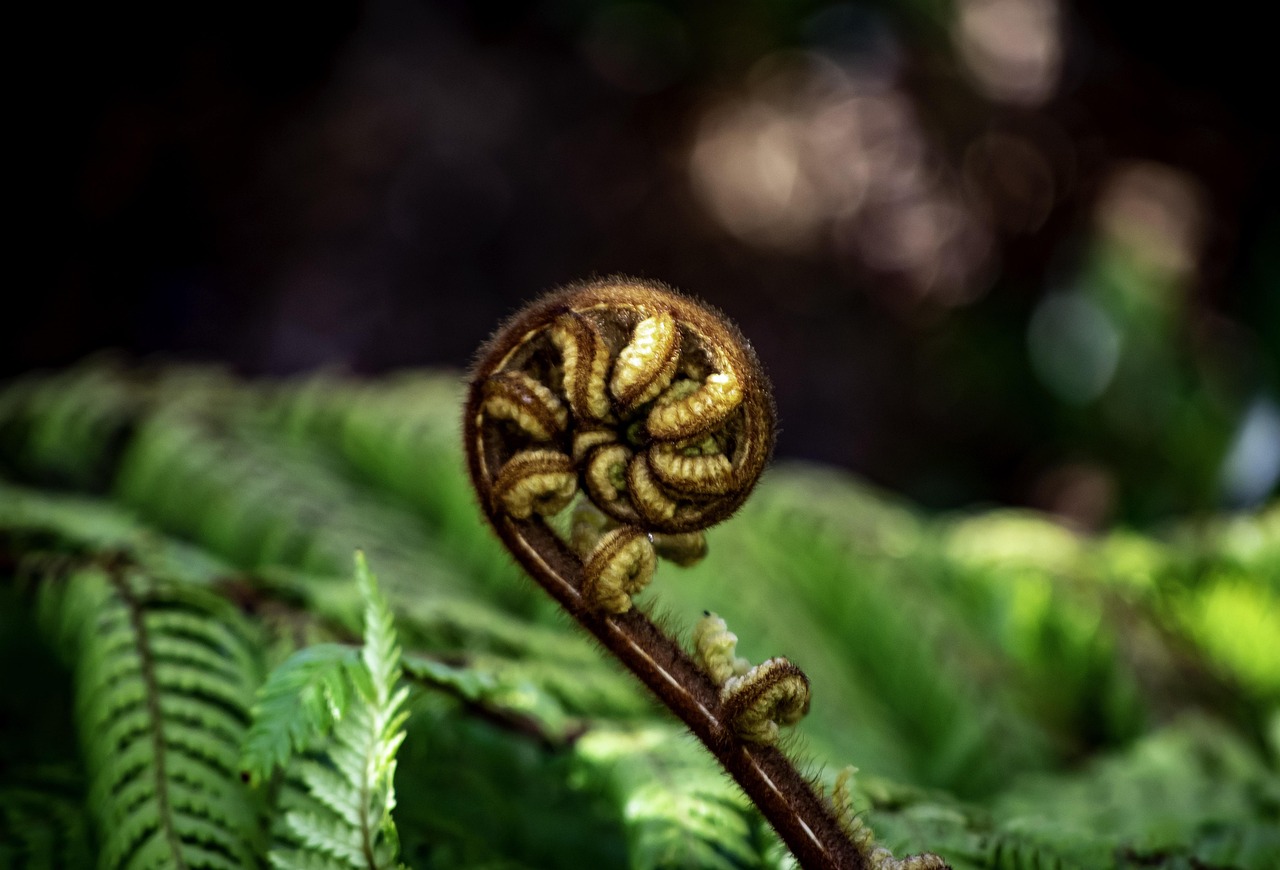
The word koru is commonly explained as a coil, loop, curled shoot, or spiral motif. Te Aka Māori Dictionary describes koru in relation to folded or coiled forms, curled shoots, and spiral motifs used in kōwhaiwhai patterns and carving. Public Māori language and cultural resources often connect the koru with a new shoot, especially the curled shape of a young fern frond.
That botanical image is why many people associate a koru tattoo with renewal, a new beginning, personal growth, and life unfolding. Those associations are reasonable as a starting point, but they are not a universal formula. A small koru on the wrist, a pair of koru shapes in a family design, and spirals within a larger tā moko composition can carry very different weight.
The koru also appears beyond tattooing. It is found in Māori carving, painted rafter patterns, weaving references, and contemporary art. In each setting, the form can suggest movement, unfolding, balance, and continuity. In tattooing, those qualities become more personal because the design moves with the body and is carried permanently on the skin.
How the koru works inside tā moko
To understand a Māori koru tattoo properly, it helps to separate a single symbol from the wider practice of tā moko. Te Papa Tongarewa describes tāmoko as more than a tattoo, with lines and motifs connected to identity, role, artistry, and cultural expression. Te Ara Encyclopedia of New Zealand also notes that Māori tattooing developed distinctive forms in Aotearoa New Zealand, including deeply grooved scars and spiral motifs.
Historically, tā moko was not applied in the same way as modern machine tattooing. Public museum sources describe earlier Māori methods as using uhi, or chisels, to cut grooves in the skin before pigment was applied. This produced a carved quality rather than a flat inked surface. Contemporary artists may use modern machines, hand tools, or a combination, depending on their practice, training, and tikanga.
Within moko, a koru-like spiral is rarely just an isolated icon. It may be one part of a larger composition shaped around the wearer’s face, shoulder, arm, thigh, or back. Lines can emphasize body structure, frame features, and relate to other motifs. That is why copying a pattern from an image search is risky: the copied element may have been made for a specific person, family, iwi, or occasion.
| Term | Practical meaning for tattoo research |
|---|---|
| Koru | A coil, curled shoot, or spiral motif often linked with new growth and unfolding life. |
| Tā moko or tāmoko | The Māori practice of tattooing, traditionally connected with identity, whakapapa, status, and tikanga. |
| Moko | The tattooed marking or design itself, often carrying personal and cultural significance. |
| Moko kauae | A chin and lip moko worn by Māori women, with deep cultural meaning. |
| Kirituhi | A term often used for skin art or Māori-inspired tattooing that does not claim the same cultural role as moko. |
| Whakapapa | Genealogy, lineage, and layered connection; a key reason moko cannot be reduced to decoration. |
Tā moko, kirituhi, and respectful choices
The most important question is not only “What does the koru mean?” but also “What kind of tattoo am I asking for?” If you are Māori and seeking moko, the process may involve whakapapa, whānau, iwi connections, personal milestones, and an artist who understands the relevant tikanga. It is not simply a design appointment.
If you are not Māori but are drawn to the koru form, kirituhi is often the more appropriate conversation. Te Aka Māori Dictionary describes kirituhi as skin art or tattooing that is not regarded as having the cultural aspects related to moko. In contemporary tattoo discussion, many artists use kirituhi for Māori-inspired work that may borrow from the visual language of Māori art without claiming the genealogical authority of moko.
That distinction matters because moko is not just “tribal style.” It can speak to ancestry, belonging, and responsibilities that an outsider cannot simply adopt. Respectful interest should include limits. A non-Māori wearer should not copy someone else’s moko, should be cautious with facial placements, and should avoid presenting a decorative tattoo as authentic tā moko.
There is also no single global rule that every Māori artist expresses in exactly the same way. Some practitioners use the tā moko and kirituhi distinction firmly; others discuss it with more nuance. The respectful response is not to look for the loosest answer online. It is to work with an artist who is culturally informed, transparent about their process, and willing to explain what they will and will not design.
For more background on tattoo traditions and cultural context, see the tattoo culture section.
Design directions that keep the koru readable
A good koru tattoo does not need to be crowded. The form is usually strongest when the spiral has room to breathe and the line flow feels intentional. The following design directions can help you discuss ideas with an artist without copying a specific moko.
- Single koru: A simple spiral can represent renewal, recovery, a new chapter, or the start of a personal journey. It is usually easier to keep culturally modest than a large composition that imitates full moko structure.
- Paired koru: Two koru forms can suggest relationship, family, partnership, parent and child, or two stages of growth. The meaning should come from the wearer’s story rather than a generic chart.
- Open spiral with negative space: Space around the curve can make the design feel lighter and more contemporary while preserving the sense of unfolding movement.
- Koru within a band: A forearm, calf, or upper-arm band can carry rhythmic koru forms without copying a facial moko. The challenge is avoiding a generic “tribal band” look.
- Botanical koru: Some designs lean closer to the fern-frond source, using organic lines and leaf references. This can be a respectful option when the wearer wants renewal symbolism without pretending to wear moko.
- Abstract koru influence: A tattoo can take inspiration from the spiral idea while moving into a personal, non-traditional composition. This may suit non-Māori clients who want cultural respect and originality.
Be careful with online symbol lists that assign one rigid meaning to every line. In real tattoo work, meaning is built through composition, body placement, consultation, and personal context. A koru can suggest new life, but a full Māori-inspired tattoo should not be assembled like a menu of symbols.
Placement, scale, and body flow
Placement affects both appearance and cultural reading. A small koru on the shoulder, upper arm, forearm, ankle, or back of the neck will usually be read differently from a facial design or a large blackwork composition across the chest. In Māori tattoo traditions, the face carries particular significance, and moko kauae or moko kanohi should never be treated as a fashion placement.
For many non-Māori clients, the safest placements are areas commonly used for contemporary tattooing rather than culturally specific facial zones. The upper arm, shoulder cap, calf, back, and forearm can all allow flowing koru shapes without making claims that the wearer cannot support. Scale should match the level of detail. A tiny spiral may blur over time if it contains too many tight turns, while a larger piece can hold negative space, line variation, and balanced movement. See also: tattoo care.
Body flow is especially important. Koru designs tend to look best when they follow the natural curve of the muscle or bone structure. On the shoulder, the spiral can turn with the deltoid. On the forearm, it can lengthen with the arm rather than sitting like a sticker. On the calf, the curve can echo the rise of the muscle. These choices are aesthetic, but they also help the design feel intentionally placed rather than copied and pasted.
Questions to ask before booking a koru tattoo
Before booking, treat the consultation as part of the design, not a formality. A thoughtful artist should be able to discuss symbolism, boundaries, and originality without reducing the culture to a trend.
- Is this design intended as moko, kirituhi, or a personal tattoo inspired by the koru form?
- Does the artist have experience with Māori or Polynesian-inspired visual language, and are they clear about their limits?
- Will the final design be custom, or is it copied from another person’s tattoo?
- Are any elements connected to specific iwi, whānau, or facial moko traditions that should not be used?
- Why is the koru meaningful to you beyond the phrase “new beginnings”?
- Does the placement create a cultural claim you do not intend to make?
- Will the line weight and spacing age well on the chosen body part?
If an artist dismisses cultural questions as unnecessary, that is a warning sign. Respectful tattooing does not mean every design must be solemn or complicated, but it does require care when the imagery comes from a living Indigenous culture.
Common mistakes to avoid
The first mistake is copying a moko from a photograph. Even if the koru element looks appealing, the full design may have been made for a specific person and may encode personal or genealogical meaning. Copying it removes that context and can turn identity into ornament.
The second mistake is calling every Māori-inspired spiral “tā moko.” If the design is not created within the cultural process and authority of moko, a more cautious description is better. “Koru-inspired tattoo” or “kirituhi” may be more accurate, depending on the artist and design.
The third mistake is treating the koru as a universal wellness symbol detached from its source. It is fine to connect a tattoo with personal renewal, recovery, or growth, but the design should still acknowledge that the form comes from Māori visual culture.
The fourth mistake is overloading the tattoo with symbols from mixed cultures. A koru combined with random Celtic knots, Japanese waves, Norse runes, and Polynesian spearheads can become visually confused and culturally shallow. A simpler, more coherent design often shows more respect.
Frequently asked questions
Is a koru tattoo only for Māori people?
The koru form appears widely in Māori art, and non-Māori people do get koru-inspired tattoos. The key distinction is whether the tattoo claims to be tā moko or whether it is a respectful personal design or kirituhi. Non-Māori wearers should avoid copying moko, especially facial moko, and should work with an informed artist.
What does a double koru tattoo mean?
A double koru is often interpreted as connection between two people, family bonds, partnership, or two lives growing together. The final meaning still depends on the design and wearer. It should not be treated as a fixed dictionary entry.
Is it disrespectful to get a Māori koru tattoo?
It can be respectful or disrespectful depending on the approach. A custom koru-inspired design made with cultural awareness is very different from copying someone’s moko or using sacred-looking facial patterns as decoration. Intent matters, but process and design choices matter just as much.
Where is the best place for a koru tattoo?
Common placements include the shoulder, upper arm, forearm, calf, and back. These areas allow the spiral to follow body movement. Facial placements carry much deeper cultural significance and should not be chosen casually.
Can a koru tattoo simply mean new beginnings?
Yes, many people use the koru to express new beginnings, growth, or renewal. The more accurate answer is that this is one common interpretation, not the whole meaning of the form. In Māori visual culture and tattooing, context gives the symbol its depth.
Final thoughts
A Māori koru tattoo can be a strong design when it is approached with patience, humility, and good information. The spiral is visually simple, but its cultural background is not. It points toward growth and unfolding life, while also reminding the wearer that symbols carry histories. If you want a koru tattoo, start with the meaning, ask whether the work should be considered kirituhi or something else, choose an artist carefully, and make sure the final design is custom rather than copied. That approach gives the tattoo a better chance of being both well designed and respectful.
Source note: This article synthesizes public educational material from Te Aka Māori Dictionary, Te Papa Tongarewa, Te Ara Encyclopedia of New Zealand, Tourism New Zealand, and museum writing on contemporary tā moko. Meanings can vary by iwi, artist, family, and wearer, so this guide should be treated as cultural orientation rather than permission to copy a specific moko.