
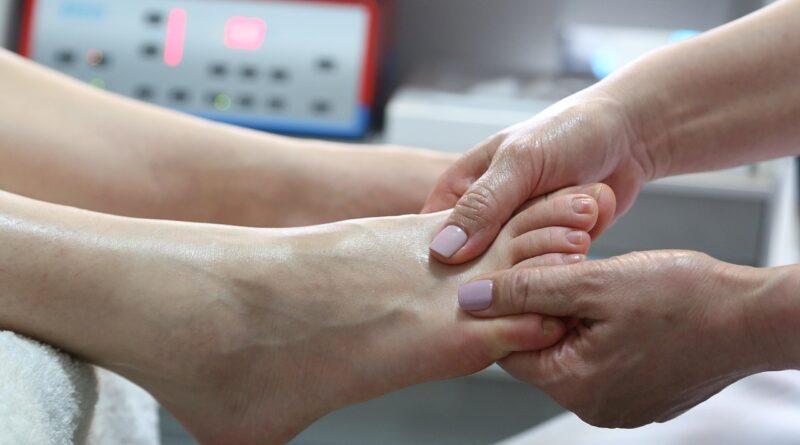
What Is the Best Foot Tattoo Care Routine for Clean Healing?
Why Is Foot Tattoo Care Different from Other Tattoo Aftercare?
Foot tattoo care needs a little more attention because the foot is always moving. It bends, sweats, rubs against socks, and spends long hours inside shoes. If you want the basic rules first, this tattoo aftercare guide is a good place to start, but a foot tattoo usually needs stricter habits for the first couple of weeks.
Tattoos are common now, so aftercare is no longer a small topic. Pew Research Center reported in August 2023 that 32% of U.S. adults have at least one tattoo, based on a survey of 8,480 adults conducted July 10 to July 16, 2023. Even so, there is no reliable public dataset that breaks down infection rates by foot tattoo placement. For that reason, the safer advice comes from dermatology guidance, tattoo wound care basics, and everyday foot hygiene.

Feet Deal With More Friction
A fresh tattoo is a controlled skin wound. On the foot, that wound has to deal with shoe collars, seams, laces, sandal straps, and sock pressure. Even a small design near the ankle bone or top of the foot can be rubbed many times during a normal workday. That rubbing can lift scabs too early, irritate the surface, and leave clean lines looking patchy.
Swelling Can Feel More Noticeable
It is normal for a new tattoo to feel sore, warm, or a bit swollen at first. Feet often swell more by the end of the day because fluid settles lower when you stand or walk. That alone does not always mean there is a problem. But swelling that keeps getting worse instead of easing should be checked.
Shoes Can Trap Heat and Sweat
Closed shoes create a warm, damp space around the skin. The CDC’s public foot hygiene guidance notes that fungi linked with athlete’s foot grow well in warm, dark, moist areas. A tattoo is not athlete’s foot, of course. The point is simple: damp feet are harder to keep clean, dry, and calm while the skin is healing.
How Should You Clean a New Foot Tattoo?
Cleaning a new foot tattoo should stay simple. The mistake many people make is washing too hard or too often. More scrubbing does not mean cleaner skin; it usually just irritates it. Mayo Clinic’s tattoo guidance, medically reviewed in November 2023, says most tattoos take about two weeks to heal and recommends washing tattooed skin twice a day with soap and water, using a gentle touch, and patting it dry.
Wash With Clean Hands and Mild Soap
Wash your hands before touching the tattoo. Then clean the tattoo with lukewarm water and a mild, fragrance-free soap. Do not use a washcloth, bath sponge, foot brush, or anything rough. Your palm is enough for this step. If dried plasma sits around the edge, wet it gently and let it soften instead of picking it off.
Pat Dry and Let the Skin Breathe
After washing, pat the area dry with a clean paper towel or a freshly washed towel. Do not rub it, even if the skin looks fine. On a new foot tattoo, rubbing can pull at tender skin and loosen early scabs. Give the tattoo a few minutes in the air before applying product or putting on a sock. That short wait helps the area dry instead of staying warm and steamy.
Keep Soaking off the Schedule
Quick showers are usually fine when your artist allows them, but soaking is different. Baths, hot tubs, pools, lakes, and ocean water should wait until the tattoo is fully healed. Mayo Clinic specifically advises staying out of pools, hot tubs, rivers, lakes, and other bodies of water while a tattoo heals. A beach trip three days after a foot tattoo may sound nice, but it is not a good idea for fresh skin.
What Should You Wear During the First Two Weeks?
Your footwear can decide how smooth the healing period feels. The goal for these two weeks is not style. The goal is less rubbing, less sweat, and no sticking to fabric. If your job requires boots or dress shoes, try to book the tattoo before days off if your schedule allows it.
Loose Shoes or Sandals Help Lower Rubbing
If the tattoo is on the top of the foot, open sandals may help, as long as the straps do not touch the tattoo. If the tattoo is near the heel, ankle, or side of the foot, loose sneakers may work better. Avoid tight leather, stiff boots, high heels, and any shoe that presses the tattoo when you walk.
Clean Socks Matter More Than Fancy Products
Use soft, clean socks when socks are needed. Change them as soon as they get sweaty. White or light-colored cotton socks are often easier during early healing because leaking ink or plasma is easier to see. Avoid fuzzy socks that shed fibers into the tattoo. Lint caught in sticky ointment is a small problem, but it is still a problem you can avoid.
Work Shoes Need Extra Planning
If you work in a restaurant, warehouse, hospital, salon, or construction setting, your feet may stay in closed shoes for eight to twelve hours. That needs planning before the appointment, not after the tattoo is already sore. Ask your artist about timing, wrap use, and when to change products. Bring a spare pair of clean socks. If one shoe starts rubbing one spot raw by lunch, that spot will not settle down by the end of the shift.
How Can You Manage Swelling, Pain, and Scabbing?
A healing foot tattoo may look rough before it looks settled. The first few days can bring redness, weeping, and tightness. After that, peeling and itching often show up. The main job is to support the skin without covering it too much or treating every normal change like an emergency.
Elevation Helps After Long Standing
If your foot feels puffy after walking or standing, sit down and raise it above heart level for short periods. This will not fix everything, but it can reduce pressure. Keep activity light for the first few days. Long runs, heavy leg workouts, and sweaty classes can wait. A slow walk around the house is fine. A two-hour hike in new boots is asking for trouble.
Thin Moisturizer Beats Heavy Grease
The American Academy of Dermatology advises using a water-based lotion or cream when tattooed skin feels dry. It also warns that petroleum-based products such as petroleum jelly can cause ink to fade. For a fresh foot tattoo, use only the product your artist recommends. Apply a very thin layer. If the skin looks shiny and slippery, you probably used too much.
Scabs Need Time, Not Picking
Scabbing and flaking are part of normal healing. Do not pick, shave over, scratch, or peel loose skin. If the itching gets hard to ignore, wash gently, dry the area, apply a thin layer of approved moisturizer, and keep your hands busy. Picking can pull pigment out of the skin and leave pale areas that may need a touch up later.
When Is a Foot Tattoo Healing Normally?
Normal healing does not always look tidy. Skin type, tattoo size, ink colors, and daily routine all affect the timeline. Mayo Clinic gives about two weeks as a common healing period for many tattoos. A foot tattoo can feel tender longer if shoes keep rubbing it, so watch the overall trend rather than one single moment.
Days 1 to 3 Bring Redness and Weeping
During the first few days, mild redness, swelling, warmth, and clear or slightly ink-colored fluid can be normal. Follow your artist’s wrap instructions carefully during this stage. Do not rewrap the tattoo with random plastic wrap unless your artist told you to do that. Trapping sweat and bacteria against the skin can make the area worse. See also: tattoo culture.
Days 4 to 10 Bring Peeling and Itch
As the surface dries, the tattoo may peel like a sunburn. Colors can look dull under flaky skin, which makes many people worry. In many cases, that dull look is temporary. Keep cleaning gentle, use only a light amount of moisturizer, and avoid shoes that scrape the peeling area. The tattoo is still settling under the surface.
Week 2 Usually Looks Calmer
By the second week, many tattoos look flatter, less red, and less shiny. That does not mean the deeper skin is fully settled yet. Keep avoiding pools, tanning beds, and harsh foot scrubs until there are no scabs, no open areas, and no tenderness. If you are not sure, ask your artist before going back to your normal routine.
What Mistakes Can Damage a Foot Tattoo?
Most foot tattoo problems come from normal daily choices, not extreme behavior. A tight shoe, a sweaty sock, a pool day, or one quick scratch can irritate healing skin. The FDA states that infections and allergic reactions can happen after tattooing, including reactions linked with contaminated ink. That is why aftercare should stay plain and steady.
Swimming Turns a Small Wound Into a Bigger Risk
Fresh tattoos should not be submerged. Pool chemicals, lake water, hot tubs, and seawater all bring risks that are easy to avoid. Even if the water looks clean, your tattoo is still a healing wound. Wait until the skin is closed, smooth, and cleared by your artist or healthcare professional.
Sun Can Fade Fresh and Healed Ink
Keep a fresh tattoo out of direct sun. Once healed, the American Academy of Dermatology recommends broad-spectrum, water-resistant sunscreen with SPF 30 or higher for tattooed skin exposed to sun, applied before going outside and reapplied as directed. Foot tattoos worn with sandals can age quickly when they get full sun all summer. Covering and sunscreen matter more than people think.
Gym Floors and Bare Feet Raise Trouble
Bare feet in locker rooms, yoga studios, showers, and pool decks are not good for a healing tattoo. Wear clean footwear when walking in shared spaces. Skip foot exfoliating tools, pedicures, and long sweaty workouts until the tattoo is done peeling. The pedicure can wait; clean linework is harder to fix.
When Should You Call a Doctor or Your Tattoo Artist?
Some questions belong with your tattoo artist, such as wrap use, product instructions, and future touch up timing. Medical symptoms should go to a healthcare professional. The American Academy of Dermatology says infection signs can include spreading redness, worsening pain, fever, chills, pus, and open sores in the tattoo.
Worsening Redness Deserves Medical Attention
Call a healthcare professional if redness spreads, pain gets worse after the first few days, the skin feels hot, or yellow or green fluid appears. Fever, chills, red streaks, or strong swelling are not signs to wait on. The FDA warns that some tattoo-related infections can need antibiotics. Severe cases may need hospital care.
Diabetes or Poor Circulation Needs Extra Caution
If you have diabetes, poor circulation, neuropathy, immune problems, or a history of slow-healing wounds, talk with a healthcare professional before getting a foot tattoo. CDC diabetes foot guidance states that nerve damage and poor blood flow can raise the risk of foot ulcers. It also recommends regular foot checks for people with diabetes. A tattoo is decorative, but the foot still has to carry you every day.
Touch Up Timing Comes After Full Healing
Foot tattoos sometimes need touch ups because the area gets more friction than a forearm or shoulder. Do not rush that step. A touch up should wait until the skin is fully healed and your artist says it is ready. Working over irritated skin can create more trauma and a longer healing cycle.
FAQ
Q1: How Long Does Foot Tattoo Care Usually Last? A: Plan for at least two careful weeks, with extra caution until all peeling, tenderness, and scabbing are gone. Shoes and work routines can stretch the timeline.
Q2: Can You Wear Shoes After a Foot Tattoo? A: Yes, but choose loose, clean shoes that do not rub the tattoo. If possible, schedule your tattoo before days off so you can avoid tight footwear early on.
Q3: When Can You Swim After a Foot Tattoo? A: Wait until the tattoo is fully healed with no scabs, open skin, or tenderness. Many tattoos take about two weeks, but feet may need longer depending on placement and friction.
Q4: Is It Normal for a Foot Tattoo to Swell? A: Mild swelling can be normal during the first few days, especially after standing. Swelling that worsens, feels hot, or comes with spreading redness or pus needs medical attention.
Q5: What Is the Biggest Foot Tattoo Care Mistake? A: Wearing tight shoes too soon is one of the biggest mistakes. Constant rubbing can lift scabs, irritate the skin, and leave the tattoo looking uneven after healing.