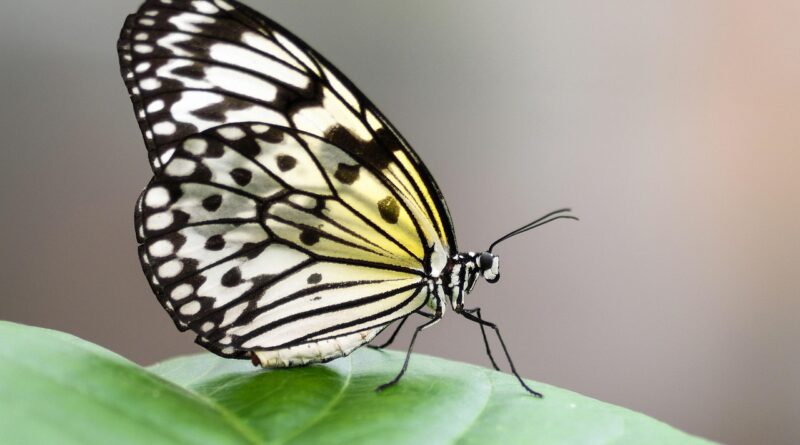
What Are the Best Butterfly Tattoo Ideas for Your First or Next Ink?
Why Are Butterfly Tattoo Ideas Still So Popular?
Butterfly tattoo ideas stay in demand because they carry meaning without locking you into one set style. You can go with a tiny wrist butterfly, a fine line ankle design, a dark shoulder piece, or a memorial tattoo with flowers. If you are looking through more tattoo ideas, a butterfly is a useful starting point because it fits clean, soft, color, blackwork, and darker art styles.
The choice also lines up with the wider tattoo market. Pew Research Center reported in August 2023 that 32% of U.S. adults have at least one tattoo, and 22% have more than one. So a butterfly tattoo no longer feels like an unusual or risky style choice. The real issue is how to make yours personal, placed well, and easy to live with for years. (pewresearch.org)
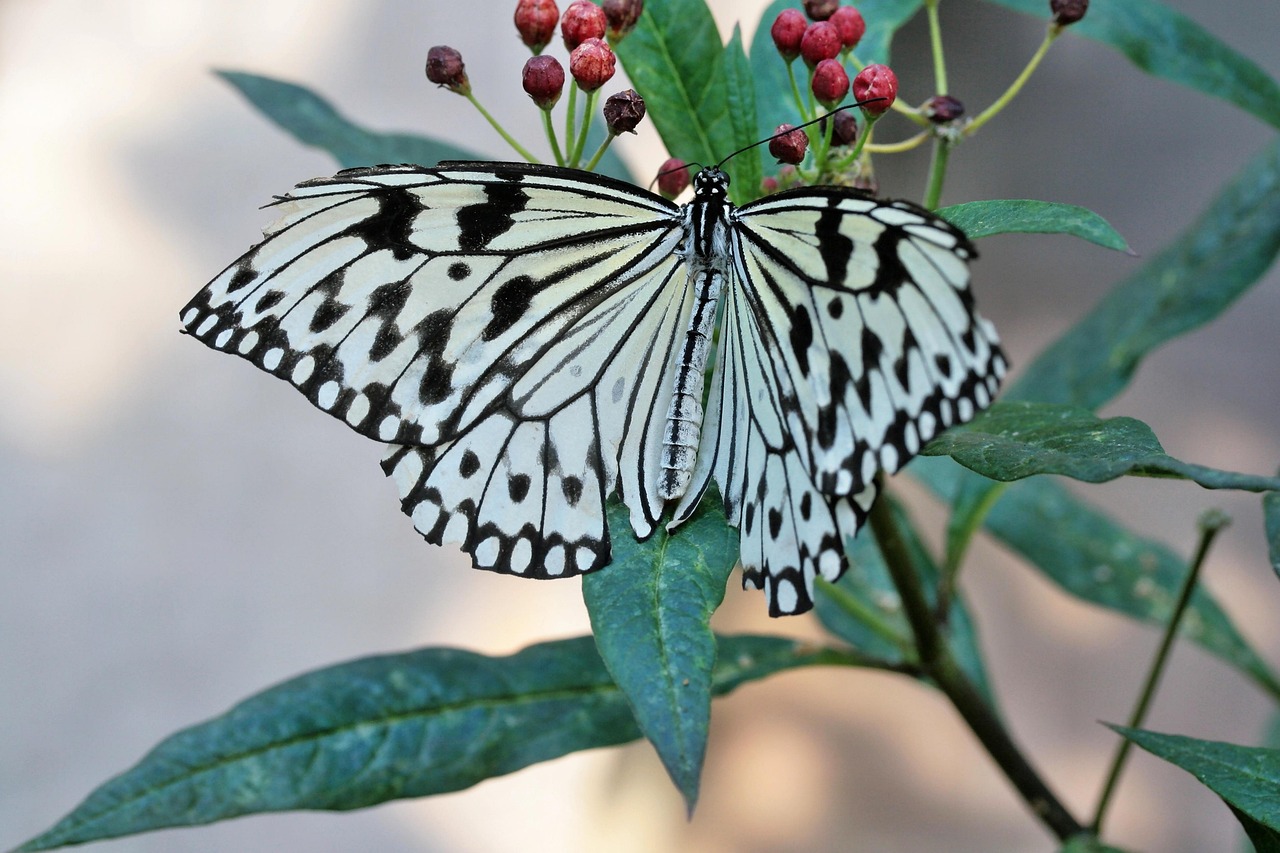
Transformation Without Heavy Symbolism
A butterfly is closely tied to change, but it does not have to feel too serious. Smithsonian Gardens describes the butterfly life cycle as complete metamorphosis and connects its short-lived beauty with transformation and the passage of time. In tattoo work, that can point to growth after a hard period, a new chapter, recovery, motherhood, leaving a place, or becoming more comfortable with yourself. (gardens.si.edu)
Easy Fit for Many Personal Styles
A butterfly can look fine, gothic, romantic, bright, or close to abstract. One person may ask for a two-inch fine line butterfly near the elbow, while another may want a large black butterfly across the upper back. Both ideas can work because the shape is still easy to read even when the detail level changes.
A Design That Ages With Your Story
The best butterfly tattoos are not only nice on the day of the appointment. They should still look right to you after five or ten years. Simple wing shapes, open negative space, and a clear outline often age better than a design filled with tiny details. Small tattoos can look neat, but tiny wing veins may blur if the design is packed into too little space.
What Butterfly Tattoo Meanings Should You Think About?
Before you choose a stencil, think about what you want the design to say. You do not need a deep story behind every tattoo, but some meaning can stop you from copying an image that only looked good for a moment on your phone. Butterfly tattoos often sit between beauty and symbolism. That is why they work for a first tattoo and also for people building a larger body art collection.
Freedom and Personal Change
Many people choose a butterfly after a move, breakup, graduation, health change, or personal reset. The wings can stand for movement and release. If you want this meaning, a butterfly in flight often works better than a flat front-facing butterfly. A slight angle gives the design more life on the skin.
Memory, Loss, and Quiet Strength
A butterfly can also honor someone or something you carry with you. Pew Research Center found in 2023 that 69% of tattooed Americans said they got a tattoo to honor or remember someone or something. For a memorial design, you might add a birth flower, initials, a date in small script, or a color linked to that person. Keep those extra details controlled so the tattoo does not become crowded. (pewresearch.org)
Beauty, Femininity, and Self-Expression
Butterfly tattoos often get linked with feminine style, but they are not limited to one gender or one look. A sharp blackwork butterfly can feel strong and graphic. A soft color butterfly can feel more romantic, while a broken-wing idea can feel honest and personal. The final mood comes from line weight, color, placement, and any details placed around it.
Which Butterfly Tattoo Styles Look Best in Real Life?
Style matters as much as meaning because skin is not a flat screen. A design that looks good as a digital image may not sit well on a wrist, shoulder, rib, or ankle. Think about how much detail you want, whether you want color, and how visible the tattoo should be with normal clothes. There is no one best style for everyone, but some styles are easier to wear and easier to maintain.
Fine Line and Minimal Butterfly Tattoos
Fine line butterflies are a common choice for wrists, ankles, arms, and collarbones. They look light and clean without taking over the area. For a better result, choose a design with enough space between the wing lines. If every vein, dot, and sparkle is squeezed into one inch, the tattoo may soften quickly as it heals.
Floral Butterfly Tattoos
Flowers add meaning and help shape the tattoo. A butterfly with roses can feel classic, lavender feels calm, and cherry blossoms can suggest a short but meaningful moment. Birth flowers are often used for family tattoos. A good artist will not just drop flowers around the wings; the stems, petals, and wing direction should work together.
Realistic, Color, and Blackwork Designs
Realistic butterflies need space, usually more than people first expect. Color can work well for monarch-style orange, blue morpho tones, or soft watercolor effects. Blackwork is often easier to read from a distance and can hold up well visually. If you wear a lot of black clothing and silver jewelry, a dark butterfly may fit your day-to-day style better than a pastel one.
Where Should You Place a Butterfly Tattoo?
Placement changes the whole feeling of the tattoo. A butterfly behind the ear feels small and private, while the same idea across the sternum feels much bolder. There is no reliable public dataset ranking butterfly tattoo placements by popularity. So the best choice should come from visibility, pain tolerance, size, and how that part of your body moves.
Wrist, Ankle, and Behind-the-Ear Spots
Small placements work well for simple butterfly outlines, tiny silhouettes, and single-needle styles. The wrist is easy to see, which helps if the tattoo is meant as a daily reminder. The ankle is usually more low-key. Behind the ear can look good, but haircuts, glasses, and workplace rules may change how often it shows.
Shoulder, Collarbone, and Rib Placement
The shoulder gives a butterfly enough room to spread and is easy to build on later. It also works well if you may add flowers or a second butterfly. The collarbone needs careful sizing because the space is narrow. Ribs can suit a vertical butterfly tattoo, though many people find that area sharper, so eat before the appointment, wear soft clothing, and keep the rest of the day simple.
Back, Hip, and Thigh Designs
Larger placements suit symmetrical wings, realistic detail, and layered designs. The upper back can hold a centered butterfly with good balance. The hip and thigh give more privacy and more space for shading. If you may want a larger piece later, leave room, because a tiny butterfly in the middle of a prime thigh area can limit your options. See also: tattoo care.
How Can You Make a Butterfly Tattoo Feel Original?
The internet is full of repeated butterfly tattoo designs. That does not mean your tattoo has to look plain or copied. Originality usually comes from small choices instead of adding too many details. Your artist can adjust the wing shape, body angle, flower type, line weight, and color palette so the tattoo fits you better.
Personal Symbols With Clean Limits
You can add initials, stars, a moon, a quote, flowers, a tiny heart, or a second butterfly. Just keep the number of add-ons under control. A butterfly, three flowers, two dates, a long sentence, and sparkles can turn messy fast. A cleaner idea may be one butterfly with a birth flower placed into the lower wing.
Scale, Symmetry, and Body Movement
Butterflies are naturally symmetrical, but perfect symmetry is not always the best choice on the body. Arms twist, shoulders slope, and ribs move when you breathe. A good stencil should be checked while you stand, sit, and move a little. It is a small appointment step, but it can save the final tattoo from looking off once you go home.
Color Choices That Match Your Skin and Lifestyle
Color should be chosen based on your skin tone, sun habits, and willingness to handle touch-ups. Black and gray often feels classic and stays clear. Red, purple, and blue can look rich, but they need steady aftercare. If you spend a lot of time outdoors, ask the artist how sun exposure may fade brighter pigments.
What Should You Check Before Your Tattoo Appointment?
A butterfly tattoo is still a skin procedure, even if the design looks small and simple. The art gets most of the attention, but safety matters just as much. Do not choose a studio only because the flash sheet looks cute. Check the artist, healed work, hygiene habits, and aftercare advice before you pay a deposit.
Studio Hygiene and Ink Safety
The U.S. Food and Drug Administration issued final guidance on tattoo inks and noted that it had received reports of illnesses linked to microbially contaminated inks. The FDA also stated that firms conducted 18 voluntary recalls of contaminated tattoo inks between 2003 and 2024. For a client, the practical step is simple: choose a licensed studio, ask about sealed ink, and avoid any setup that treats cleanliness as optional. (fda.gov)
Artist Portfolio and Healed Photos
Fresh tattoo photos can be misleading because the skin is glossy and the lines look darker than they may look later. Ask to see healed butterfly tattoos, especially if you want fine line, color, or realism. Check for steady outlines, shading that is still readable, and wings that remain clear after healing. This tells you more than one bright photo taken right after the session.
Aftercare, Sun Care, and Warning Signs
The American Academy of Dermatology notes that skin can react in unexpected ways even when a licensed artist does the tattoo and aftercare is followed. Mayo Clinic also lists possible tattoo risks such as allergic reactions, skin infection, granulomas, and possible MRI image issues. If you notice spreading redness, heat, swelling, pus, fever, or a rash that does not settle, contact a medical professional instead of guessing. (aad.org)
FAQ
Q1: What Is the Best Butterfly Tattoo for a First Tattoo? A: A small fine line butterfly on the wrist, ankle, shoulder, or upper arm is often a safe first choice. Keep the shape clear and avoid too many tiny wing details.
Q2: Do Butterfly Tattoos Have to Mean Transformation? A: No. A butterfly can mean beauty, freedom, memory, femininity, hope, or just a design you like.
Q3: Are Butterfly Tattoos Better in Color or Black Ink? A: Black ink is usually more classic and easier to read over time. Color works well if you want a realistic or soft look, but it may need more care and possible touch-ups.
Q4: Where Do Butterfly Tattoos Hurt the Least? A: Pain is different for each person, but fleshier areas like the outer upper arm or thigh are often easier for many clients. Ribs, ankles, and collarbones can feel sharper.
Q5: How Do You Avoid a Generic Butterfly Tattoo? A: Change the wing angle, add one personal element, choose a placement that fits your body, and ask your artist to redraw the design instead of copying a common image.