What Makes a Mexican Traditional Tattoo So Meaningful and Timeless?
A mexican traditional tattoo is not just a bright skull, rose, eagle, or saint placed on skin. It often carries memory, faith, national roots, and personal taste in one piece. If you are looking at this style through tattoo culture, do not start only with a flash sheet. Start with the story behind the image.
This style can include Día de los Muertos imagery, Catholic details, Indigenous references, Chicano lettering, folk art colors, and classic tattoo structure. The mix gives the work its character, but it can turn into plain decoration if the design is rushed. You need a clear reason, the right artist, and a layout that will still be easy to read 10 years later.
What Is a Mexican Traditional Tattoo?
A Mexican traditional tattoo does not follow one fixed rulebook. It is a wide visual style shaped by Mexican history, local customs, religious life, migration, and everyday tattoo practice. Some pieces are bold and simple, close to American traditional. Others use black and gray Chicano realism, fine-line script, or colorful folk art. The shared point is cultural meaning.
A Living Mix of Memory and Identity
Many people choose this style to mark ancestry, family, hometown pride, loss, or survival. Pew Research Center reported in August 2023 that 32% of U.S. adults had at least one tattoo, and 69% of tattooed adults said honoring or remembering someone or something was one reason for getting tattooed.
That number fits this topic because many Mexican-inspired designs work like memorials on skin. They are not only body art; they often keep a person, place, or family story close.
Bold Lines with Cultural Detail
Traditional tattooing depends on shapes that stay readable. Thick outlines, clear contrast, and a controlled color palette help the tattoo hold up as the skin changes.
In Mexican themes, those tattoo basics meet details such as calaveras, cempasúchil flowers, sacred hearts, rosaries, banners, lowrider lettering, agave, eagles, serpents, and regional textile patterns. A good artist will keep the main symbol strong and remove detail that does not help the piece.
A Style That Changes by Region
Mexico does not have one single visual look. A design linked to Oaxaca can feel different from one tied to Jalisco, Michoacán, Sonora, or Mexico City.
Even Día de Muertos customs can change from one community or family to another. If you want the tattoo to feel personal, name the place, person, or tradition that matters to you. Mexican is too broad for a useful design brief.
Which Symbols Carry the Deepest Meaning?
The most known Mexican tattoo symbols are used often because they can say a lot in one image. Still, the meaning can change by family, region, and personal history. Before you take a saved picture to a studio, learn what the symbol usually means. A small mistake, such as treating a memorial symbol like a party image, can shift the whole tone.
Calaveras and the Honest Face of Death
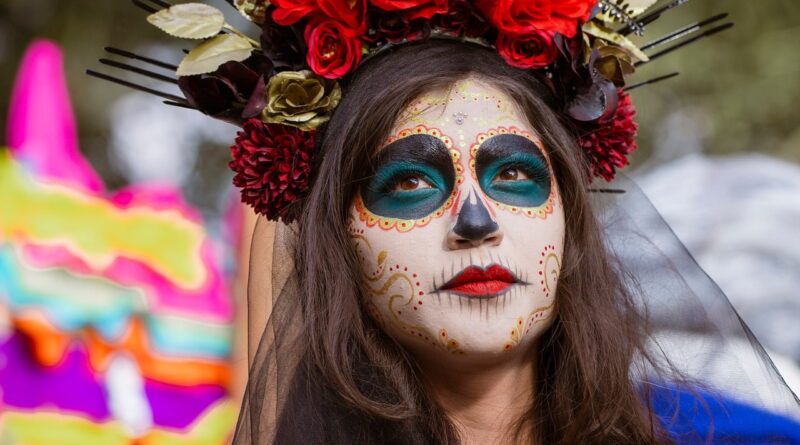
Calaveras, or skulls, are closely linked to Día de Muertos, but they are not just scary skulls. UNESCO describes the Indigenous festivity dedicated to the dead as a Mexican cultural practice that honors the temporary return of deceased relatives and loved ones.
In tattoo form, a calavera can speak about grief, humor, courage, and the idea that death is part of life. The best versions feel personal rather than like a copied costume image.
Cempasúchil Flowers and the Path Home
The orange cempasúchil, often called Mexican marigold in English, is one of the key flowers in Día de Muertos imagery. Mexico’s National Institute of Indigenous Peoples explains that cempasúchil petals make a path through color and scent for the souls of the dead.
In a tattoo, the flower can soften a skull, frame a portrait, or show remembrance without using a name. It also works well when the client wants a memorial piece with a quieter tone.
Eagles, Serpents, and National Pride
The eagle and serpent on a cactus connect to the founding legend behind the Mexican coat of arms. For some wearers, this image is about national pride and identity.
For others, it can point to endurance, migration, or family roots carried across borders. Since it is a national symbol, it should be handled with care. It usually works better as a strong central image than as small filler in a busy design.
How Does Día de los Muertos Shape Tattoo Ideas?
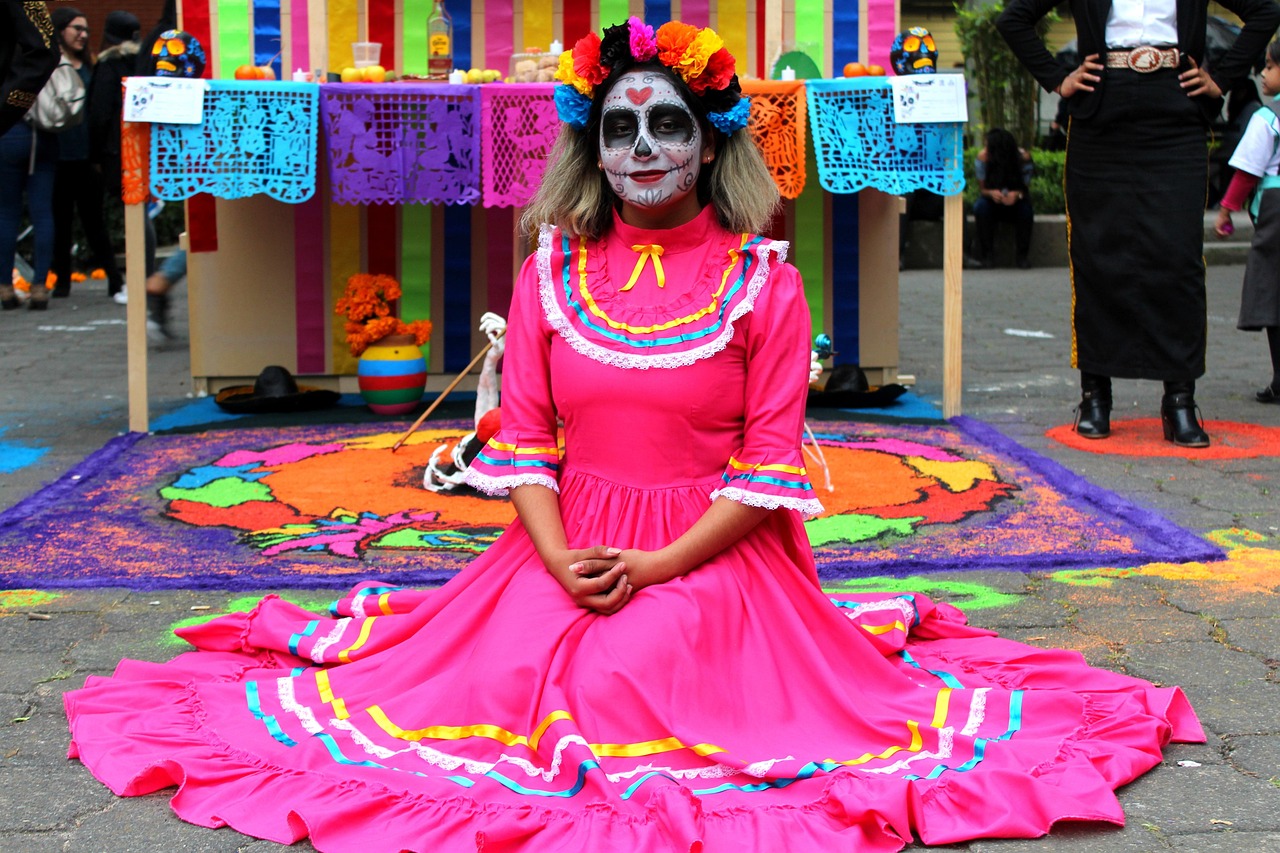
Día de los Muertos is one of the main influences on Mexican traditional tattoo design, especially outside Mexico. It is also often mistaken for a Mexican version of Halloween, which misses the point. Smithsonian sources describe the tradition as a blend of Indigenous and Catholic practices, with ofrendas used to bring memory into the present. That gives the tattoo a more personal and warmer base.
Ofrendas as Personal Story Maps
An ofrenda may hold photos, food, candles, flowers, water, salt, and objects tied to the person being remembered. A tattoo can use the same idea without copying every item from an altar.
Instead of using a common sugar skull, you might add your grandmother’s favorite flower, a bread shape from a family altar, a small candle, or a date on a banner. The result feels tied to your own story, not pulled from a studio wall.
La Catrina and Social Humor
La Catrina is elegant, funny, and sharp at the same time. The image grew through Mexican print culture and satire, especially through the work linked to José Guadalupe Posada in the early 20th century.
In tattoos, La Catrina can stand for beauty, class critique, mortality, or a loved one shown with dignity. Be careful with too much glamour. Heavy makeup with no real meaning can turn her into a costume instead of a tribute.
Family Names, Dates, and Quiet Tribute
Names and dates can carry a lot of weight, but they need enough space around them. A clean script banner under a calavera may age better than a tiny paragraph wrapped around flowers.
If the tattoo honors someone who died, think about symbols that person actually loved. A coffee cup, a guitar pick, a soccer number, or a small saint medal can say more than a long quote.
Is a Mexican Traditional Tattoo Cultural Appreciation or Appropriation?
This question comes up often, and it needs a straight answer. There is no single public authority that can approve every tattoo. There is also no reliable public dataset showing how many Mexican traditional tattoo requests are made worldwide or how many are seen as disrespectful. The better guide is context, care, and how you treat the culture behind the image.
Personal Connection Comes First
If you have Mexican heritage, the connection may come through family, language, hometown, faith, or memory. If you do not, the design can still be respectful when it comes from real interest and proper research.
Ask yourself a simple question: would you still want this tattoo if nobody praised it? If the answer is yes, your reason may be strong enough to build from. See also: tattoo care.
Research Before the Sketch
Read about the symbol before you book the appointment. Learn whether it is tied to mourning, religion, Indigenous identity, gang history, national symbols, or sacred practice.
A sugar skull, a Santa Muerte figure, an Aztec-style warrior, and a Virgin of Guadalupe portrait do not carry the same weight. They should not be treated as interchangeable design parts.
Respect Beats Costume Thinking
A respectful tattoo avoids cartoon stereotypes, fake Spanish, random sacred images, and party-shop versions of cultural icons. It also avoids mixing unrelated symbols only because they look Mexican.
A Día de Muertos skull, a cartel-style gun, and a sacred saint in one sleeve can send a confused message. Less can work better here. In many cases, less is the whole point.
What Design Choices Make the Tattoo Last?
A meaningful design still has to work on skin. Skin changes, lines spread a little, colors soften, and tiny details can blur. The best Mexican traditional tattoo ideas respect both the culture and the way tattoos heal. A piece that looks clean on a phone screen may not work on a wrist if the lines sit too close together.
Black Structure Before Bright Color
Black lines and shaded contrast hold the design together. Bright red, green, orange, and blue can look good in Mexican folk-inspired pieces, but color needs a firm structure under it.
For a calavera, place the strongest contrast in the eye sockets, cheekbones, teeth, and outer shape. Then let flowers, banners, and small dots support the main face rather than fight with it.
Placement That Fits the Body
Round symbols, such as skulls, roses, sacred hearts, and medallions, usually sit well on shoulders, calves, upper arms, and thighs. Long shapes, such as serpents, banners, daggers, rosaries, and agave leaves, can follow the forearm, ribs, or shin.
If the image has a face, avoid areas that twist too much with movement. A warped Catrina face is hard to ignore once it is healed.
Size That Protects Small Detail
Give the design enough room. A palm-size calavera can hold clear teeth and flower eyes, while a coin-size version may turn muddy after healing.
Script has the same issue. If you want a name, date, and quote, your artist may suggest a larger piece or separate placements. That is not upselling; it is basic tattoo planning.
How Should You Choose the Right Artist?
The right artist is not only someone who can copy a skull. You need clean technical work, cultural care, and safe studio habits. A Mexican traditional tattoo may combine portrait detail, script, flowers, religious imagery, and heavy contrast. Not every artist handles all of that well, so check healed work, not only fresh photos.
Portfolio Fit and Clean Line Work
Look at healed tattoos with similar themes. Check for smooth circles, steady script, readable faces, and black areas that healed evenly.
If you want Chicano lettering, find an artist who does lettering. If you want folk color, look for strong color work. If you want a Virgin portrait, review portraits first. A strong geometric artist may still be the wrong fit for a soft memorial piece.
Cultural Care in the Consultation
Bring reference images, but also bring your story. Tell the artist why the symbol matters, which region or family detail matters, and what you do not want in the design.
A good artist may suggest changing a symbol, removing a cliché, or checking a Spanish phrase with a fluent speaker. That may feel picky during the consultation, but it helps protect the final tattoo.
Safe Studio Habits and Aftercare
Safety is not the dull part of the process. It is what allows the tattoo to heal as intended.
The U.S. FDA warned in June 2023 that tattoo inks can become contaminated with microorganisms, and it has urged reporting of adverse reactions. Choose a licensed studio, watch for single-use needles, clean surfaces, sealed ink caps, and gloves. After the session, follow the artist’s care sheet and call a medical professional if redness, swelling, pus, fever, or worsening pain appears.
FAQ
Q1: What Is the Most Common Mexican Traditional Tattoo? A: Calaveras, La Catrina portraits, cempasúchil flowers, sacred hearts, rosaries, eagles, serpents, and script banners are common choices. The right one depends on your own story, not just what is popular.
Q2: Can You Get a Mexican Traditional Tattoo Without Mexican Heritage? A: Yes, but respect matters. Research the symbol, avoid stereotypes, skip fake cultural mashups, and choose a design with a real personal reason. If the image is sacred or tied to mourning, handle it with extra care.
Q3: What Colors Work Best for This Style? A: Black, red, orange, green, blue, and gold tones often work well. For long-term clarity, strong black structure should come first, and color should support the main shapes instead of carrying every small detail.
Q4: Are Día de los Muertos Tattoos Only Memorial Tattoos? A: Not always. Many are memorial pieces, but some show cultural pride, humor about death, family tradition, or love for Mexican folk art. Remembrance is still a big part of the tradition, so the tone should stay thoughtful.
Q5: How Big Should a Mexican Traditional Tattoo Be? A: It depends on the detail. A simple flower can be small, but a calavera, Catrina face, eagle, or script-heavy memorial usually needs more space. If you are unsure, go a little larger for cleaner healing and better aging.