Which Tattoo Styles Will Actually Look Best on You?
How Do the Main Tattoo Styles Differ?
If you are comparing tattoo styles, start with the basics. The style changes how a tattoo looks from a few steps away, how it heals, and how it may look after a few years. Tattoos are not a fringe choice now. Pew Research Center reported in 2023 that 32% of U.S. adults have at least one tattoo, and 22% have more than one, so this is part of everyday culture, not a small side scene. (pewresearch.org) The right style is the one that fits your body, your taste, and the way you want to live with the piece.
Traditional Bold Lines
American traditional and similar bold styles use thick outlines, clear shapes, and a limited color range. Common designs include roses, eagles, daggers, panthers, hearts, ships, and banners. The main point is easy to understand: these tattoos stay readable. A clean swallow on the forearm or a palm-sized rose near the shoulder can still hold its shape from several feet away. If you want a tattoo that feels classic, direct, and easy to read, this style is a safe place to look.
Fine Line and Minimal Work
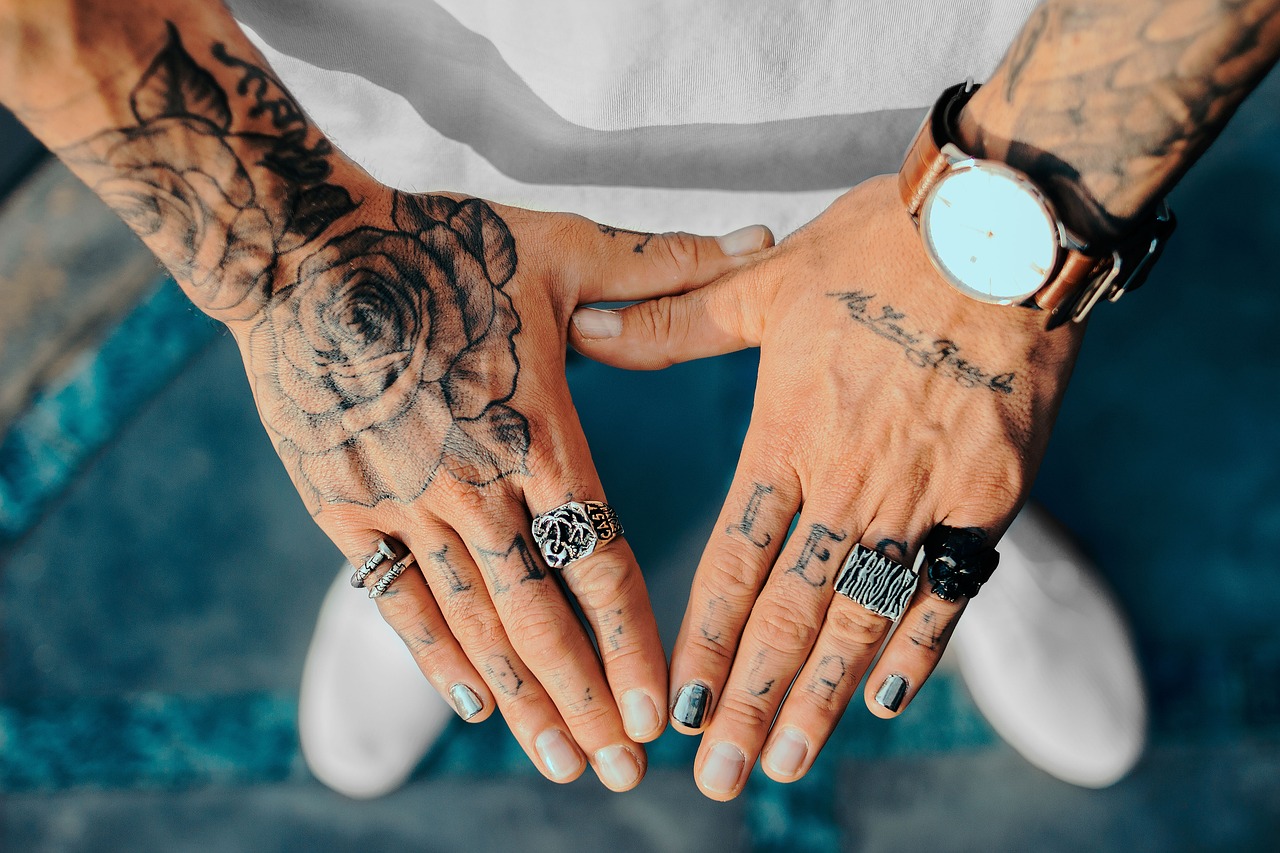
Fine line tattoos use light needles, thin outlines, small symbols, script, and open spacing. They fit names, dates, tiny florals, and quiet personal marks. The look is soft and low-key, which is why many first-time clients ask for it. The tradeoff is real: tiny details can blur faster than bigger shapes, especially on hands, feet, and areas that rub a lot. A one-inch butterfly may look neat on day one, but it still needs enough space to age in a clean way.
Realism, Blackwork, and Illustrative Pieces
Realism is used for lifelike faces, animals, statues, or objects. Blackwork uses heavy black areas, patterns, negative space, and strong contrast. Illustrative work sits somewhere between drawing and tattooing, often with clear lines and shaded forms. These tattoo styles can feel more personal than flash sheets, but they also put more pressure on the artist’s skill. Check healed work before you book. A realistic pet portrait is not the kind of job where you want to take a chance.
Which Tattoo Styles Match Your Skin and Placement?
Placement is not just a spot on the body. It affects pain, movement, visibility, and how the design stretches when you bend, sit, or walk. A tattoo on the ribs does not behave like one on the outer arm. A style that looks good on a flat phone mockup may need changes once it is fitted to real skin.
Small Areas Need Simple Shapes
Fingers, wrists, ankles, behind the ear, and the side of the foot give the artist limited space. Minimal symbols, short words, small stars, micro florals, and simple line art usually work better there than busy scenes. If you ask for a detailed dragon in a two-inch area, the artist may suggest moving it to a larger placement. That is not attitude from the artist. It is just practical tattooing.
Curved Body Parts Need Flow
Shoulders, calves, hips, and elbows need designs that move with the body instead of fighting it. Japanese, ornamental, tribal-inspired, floral, and illustrative tattoo styles often work well because they can follow muscle lines. A snake can wrap around the forearm, and a peony can sit naturally on the shoulder cap. A geometric piece can also look clean, but the stencil has to be placed with care. If not, a circle can stop looking like a circle once the arm moves.
Skin Tone and Contrast Matter
Every skin tone can carry good tattoos, but contrast changes how clearly the work shows. Black ink often gives the clearest read across many skin tones. Color choices need more planning, especially pale yellow, soft pink, and low-contrast pastels. Ask to see healed work on skin that is close to yours. Fresh tattoos often look brighter than healed tattoos, so healed photos give a more useful answer.
Which Tattoo Styles Age Best Over Time?
No public health agency ranks tattoo styles by long-term looks, and solid style-by-style aging data is hard to find. So it is better to be careful with strong claims online. Still, healed portfolios, skin biology, and normal studio experience point to a few steady rules. Strong contrast, enough spacing, and sensible sizing usually help a tattoo stay clear.
Bold Designs Keep Their Shape
Traditional, neo-traditional, blackwork, and many Japanese pieces often age well because they have structure. Thick lines and solid dark areas can handle normal skin changes better than very tiny details. That does not mean every bold tattoo is done well. Poor line work can still spread and look rough. A solid design simply gives the artist more room to build something that lasts.
Tiny Details Can Soften
Fine script, micro realism, single-needle faces, and tiny ornamental details can look great in fresh photos. A few years later, close lines may soften or run together. This happens more often in places that rub against shoes, bags, cuffs, or gym gear. A tiny ankle tattoo can look charming, then the second week comes and sock seams start to feel like a problem. If the design has detail you care about, size it up a little.
Color Needs Sun Care
Color tattoos can age well, but sun exposure makes a difference. The American Academy of Dermatology notes that tattoos may have unexpected skin reactions, including reactions that can appear long after the tattoo was done. (aad.org) Good aftercare, sunscreen after healing, and fewer tanning sessions help protect color. If you work outdoors, black and gray or high-contrast color may be easier to keep in good shape than work that relies on soft pastels.
How Should You Pick a Style for Your Story?
A tattoo can be decorative, symbolic, or both. You do not need a heavy reason for every piece. Liking the look is a good enough reason. Still, the tattoo styles that feel right usually connect your taste with a clear idea, even if it is simple: old sailor art, clean geometry, dark florals, or soft botanical drawings.
Meaning Before Motifs
Start with the feeling, then choose the motif. If you want courage, a tiger, dagger, mountain, or flame can all work. If you want remembrance, script, birth flowers, dates, birds, or a portrait may fit. The motif should match the style and the size. A memorial date can stay quiet in fine line script, while a family crest may need heavier line weight and more space.
Culture and Symbol Respect
Some tattoo styles have deep cultural roots. Polynesian, Māori, Japanese, Buddhist, Indigenous, religious, and sacred symbols should not be treated like random decoration. If a design belongs to a living tradition, take time to learn the background before putting it on your body. Respect can save you from awkward explanations later. It also helps the art keep its meaning.
Portfolio Fit Over Trend Hype
Trends change fast. A market report from Fortune Business Insights, published in 2026, estimated the global tattoo market at USD 2.66 billion in 2026 and projected growth through 2034, which shows broad demand and steady style turnover. (fortunebusinessinsights.com) That does not mean every trending style suits you. Pick an artist who already does the look well. If the portfolio is full of bold traditional tattoos, do not ask for soft micro realism unless that artist also has healed examples of it. See also: tattoo care.
What Should You Check Before Booking?
A good tattoo starts before the needle touches skin. The design matters, but the studio, ink handling, consultation, and aftercare plan matter too. The U.S. Food and Drug Administration says tattooing places ink into the skin with needles and has received reports of infections from contaminated inks and allergic reactions to inks. (fda.gov) That is enough reason to take safety seriously, even for a small tattoo.
Safety Rules and Clean Setup
Look for single-use needles, wrapped machines, fresh gloves, clean surfaces, proper sharps disposal, and clear aftercare instructions. The artist should answer hygiene questions without acting bothered. If a studio feels dirty, rushed, or chaotic, leave. A cheap tattoo can become expensive very quickly if healing goes wrong.
Budget, Session Time, and Healing
Different tattoo styles need different time blocks. A small fine line symbol may take less than an hour, while a palm-sized neo-traditional rose may need a longer appointment. A sleeve, back piece, or realism portrait can take several sessions. Healing also takes patience. Depending on your artist’s aftercare advice, you may need to avoid swimming, heavy sun, and rough workouts for a short time.
Reference Images That Help
Bring references, but do not bring twenty almost identical screenshots and ask the artist to guess what you mean. Three to five images usually work better: one for style, one for placement, one for mood, and maybe one for details you dislike. Tell the artist what you want changed. Clear feedback saves time and makes stencil day less stressful.
Which Tattoo Styles Are Best for Common Goals?
Choosing gets easier when you know what job the tattoo has to do. Is it your first piece, a visible personal mark, a cover up, or the start of a larger collection? Each goal points you toward a different style choice.
First Tattoo With Low Risk
For a first tattoo, choose a style with clear lines and a moderate size. Simple traditional, small blackwork, clean florals, and tidy illustrative designs are good starting points. If pain or visibility worries you, avoid hands, neck, ribs, and feet for the first one. The outer arm, upper thigh, shoulder, and calf are common first-timer placements because they are easier to sit through and easier to cover.
Statement Piece With Strong Presence
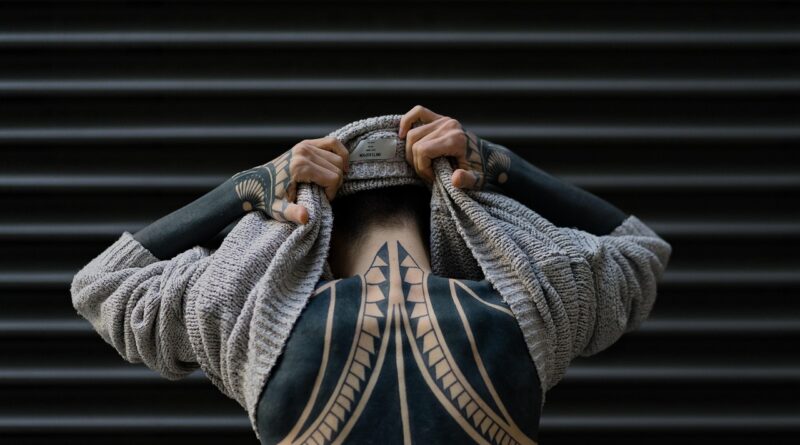
If you want a tattoo people notice, look at blackwork, Japanese, neo-traditional, ornamental, or large-scale realism. These tattoo styles can fill space well when they are given enough room. A chest eagle, thigh tiger, full forearm snake, or shoulder-to-arm floral design needs size to breathe. Large does not always mean loud, but cramped work almost always looks weaker.
Cover Up or Rework Project
Cover ups need darker values, smart shapes, and an artist who understands how old ink behaves. Blackwork, florals, animals, traditional designs, and textured illustrative pieces often work better than pale fine line ideas. Laser fading may help before a cover up, but that adds cost and time. Ask for a clear plan, not a miracle promise.
FAQ
Q1: What Tattoo Styles Are Best for Beginners? A: Clean blackwork, simple traditional, small florals, and medium-sized illustrative tattoos are often beginner-friendly because they read clearly and do not depend on extreme detail.
Q2: Do Fine Line Tattoos Fade Faster? A: They can soften sooner than bold designs, especially when they are very small or placed on high-friction areas. Good sizing, skilled line work, and careful healing help a lot.
Q3: Which Tattoo Styles Work Best for Darker Skin? A: High-contrast blackwork, bold traditional, ornamental, and well-planned color pieces can work well. Healed portfolio photos on similar skin tones are the best guide.
Q4: Should a Tattoo Have a Deep Meaning? A: Not always. A tattoo can mark a memory, show identity, or simply look good. The key is choosing a design you still want when the trend gets quiet.
Q5: How Many References Should You Send an Artist? A: Send three to five strong references and explain what you like about each one. Too many images can blur the direction and slow the design process.