
What Do Tattoo Meanings Really Say about You?
Tattoo meanings matter because most tattoos are not just images on skin. They may stand for someone you miss, a rule you try to live by, a rough time you came through, or a picture that still feels like you when you see it in the mirror. If you are sorting through ideas, this guide to tattoo meanings can help you read common symbols more carefully before you make them permanent ink.
Your Story Made Visible
A meaningful tattoo is like a short line you do not have to say out loud. A small wave might mean calm, grief, travel, or growing up near the coast. A date might mark a birth, a death, or a day you started again. The design does not need to tell your whole life to people in the street. It only needs to still feel right on a normal Tuesday, not only when you are excited in the studio.
Symbols That Travel across Cultures
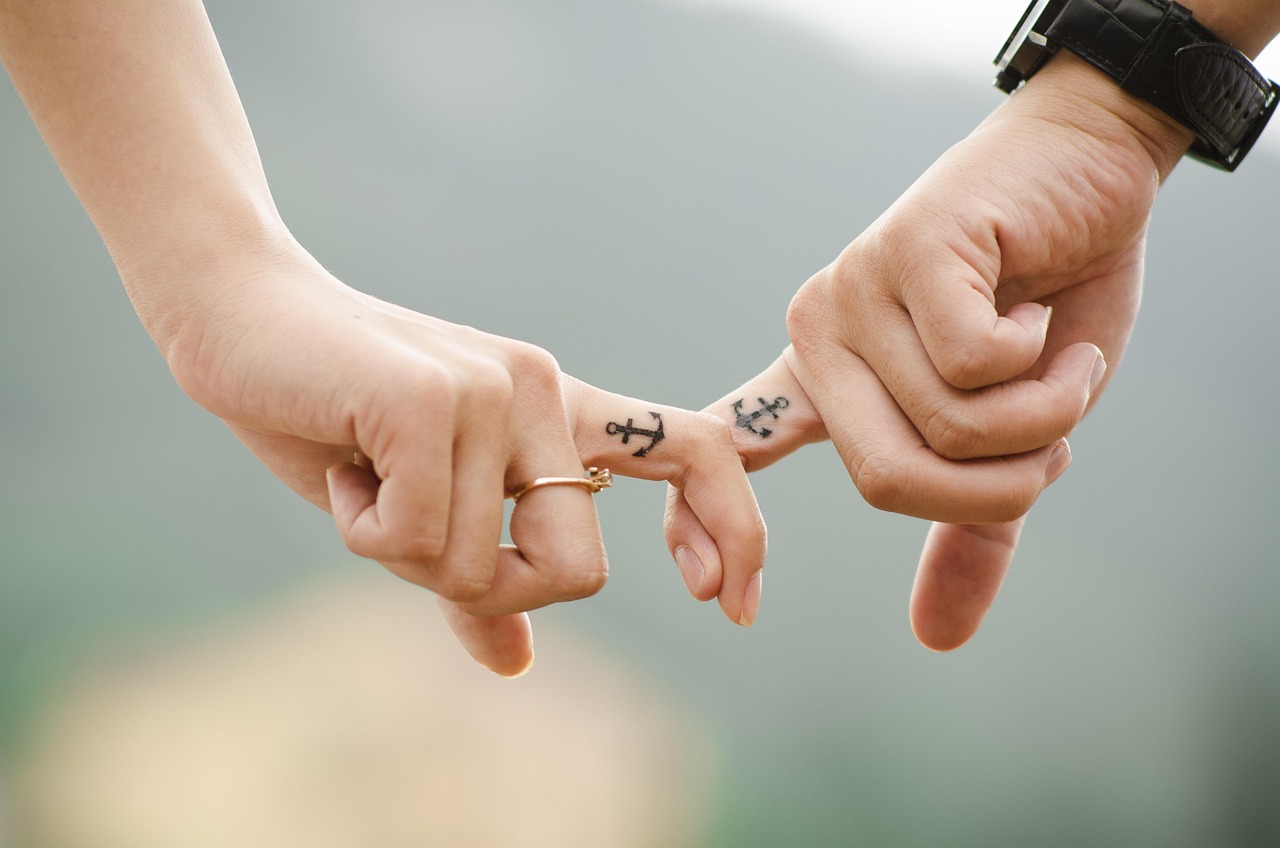
Some symbols are understood in many places. Hearts, roses, lions, snakes, anchors, stars, moons, and butterflies are common because people can read them quickly. Even so, the setting matters. A snake can stand for danger, healing, wisdom, rebirth, or temptation. A lotus can point to growth through hard conditions, but it also has spiritual meaning in several Asian traditions. If a symbol comes from a culture, religion, or community that is not your own, take time to check where it comes from.
Meaning That Can Change with Time
Life moves, and the way you read a tattoo can move with it. That does not always make the tattoo a mistake. A tattoo done after a breakup may later feel less like pain and more like proof that you got through that time. A matching tattoo can feel good for years, or it can become awkward if the relationship ends. This is why a clean design, balanced placement, and an honest reason often matter more than a trend that is loud for one summer.
Which Tattoo Symbols Carry the Strongest Meanings?
Strong tattoo meanings often come from symbols people can tie to behavior, memory, or identity. In a 2023 Pew Research Center survey of 8,480 U.S. adults, 32% said they had a tattoo, and among tattooed adults, 69% said honoring or remembering someone or something was a reason for their ink. That tells us one thing clearly: meaning is not an extra detail. For many people, it is the main reason they sit in the chair.
Animals Show Instinct, Loyalty, and Courage
Animal tattoos stay popular because they feel active and easy to connect with. A lion often points to courage, leadership, or family protection. A wolf can suggest loyalty, a wild side, or close group ties. Birds may carry freedom, migration, and coming home. A dog portrait is usually more direct and emotional: love, loss, and a bond that still feels close. Before you choose an animal, ask which trait you really share with it. If the image feels tougher than your real self, it may look like a costume later.
Flowers Carry Beauty, Loss, and Renewal
Flower tattoos can look gentle, but many carry serious meaning. A rose can mean love, secrecy, sacrifice, or beauty with risk. A lily often links to purity, mourning, or a quiet memorial. Cherry blossoms connect with the short life in Japanese cultural settings, while sunflowers often feel warm and hopeful. Flower tattoos can also age well when the outline is clear, so artists often recommend stronger lines for very small botanical pieces.
Spiritual Signs Need Respectful Context
Crosses, mandalas, prayer hands, angels, evil eyes, runes, and sacred geometry can be powerful, but they need context. A spiritual tattoo may bring comfort during grief or remind you how you want to behave when life gets messy. At the same time, sacred symbols are not general decoration. If you do not know the tradition behind a mark, look it up before you use it. A thought-through design feels respectful; a copied design can look careless very quickly.
How Do Placement and Size Change a Tattoo’s Message?
Placement changes meaning because skin is seen by other people. A design on the wrist, neck, hand, or forearm starts conversations before you speak. A rib, back, hip, or upper thigh tattoo can stay private unless you choose to show it. YouGov polling reported that Americans rate arm and torso tattoos as more acceptable than face or neck tattoos, which lines up with workplace and family reactions many clients still weigh before booking.
Visible Areas Speak First
A visible tattoo can feel open, sure, and direct. Forearm script, a hand symbol, or a neck design tells people that the meaning is not private. That may suit a memorial, a personal motto, or art you want to see every day. Visible areas also have work and social limits. Some jobs do not care about tattoos; some still do. Even in 2026, face and hand tattoos can change the way a first meeting starts.
Hidden Areas Keep the Meaning Private
Hidden tattoos often feel more personal. A small name near the ribs, a symbol behind the shoulder, or a date on the hip can stay between you and the people you trust. Private placement works well for grief tattoos, spiritual reminders, and symbols tied to recovery. It also gives you control over the story. You can share it when you want, not when a stranger in a grocery store asks what it means.
Scale Changes Tone and Detail
Size changes the tone of a symbol. A tiny butterfly reads soft and quiet. A full back butterfly with dark shading can feel like change after a serious fight for your life. Small tattoos need simple shapes because skin spreads ink over time. Larger tattoos give room for texture, background, and movement. If the design has faces, feathers, fur, lettering, or tiny dates, leave enough space for it to stay readable.
What Do Colors and Styles Add to Tattoo Meanings?
Color and style are not just finish work. They set the mood before anyone even names the symbol. The same rose can feel romantic in red, mournful in black and gray, or light and playful in a fine-line color piece. Style also changes how your tattoo ages, so meaning and craft should work together, not pull in opposite directions.
Black Ink Feels Timeless and Direct
Black ink often gives a tattoo a plain, classic look. It works well for script, tribal-inspired shapes, geometric work, fine-line icons, and bold traditional designs. Black can suggest strength, grief, mystery, protection, or simplicity. It also tends to stay readable when the design has enough contrast. That matters over time because a tattoo that blurs too much loses part of its message.
Color Adds Mood and Cultural Clues
Color can shift the whole message. Red often feels like love, blood, fire, warning, or passion. Blue may suggest peace, loyalty, water, or sadness. Green can point to growth, luck, money, or nature. Purple may feel royal, spiritual, or a little unusual in a good way. Be careful with cultural color meanings. White can mean purity in one setting and mourning in another. A color choice should fit your own story and the symbol’s background.
Style Shapes the First Impression
Traditional tattoos use bold lines and simple color, so they feel direct and built to last. Realism can feel very personal for portraits, pets, or memorial work, but it needs an artist who knows that style well. Fine-line tattoos look quiet and current, though very small details can fade sooner. Japanese, Polynesian, Chicano, blackwork, ornamental, and watercolor styles each have their own visual language. Choose the style after the meaning, not before, or the tattoo may look good but feel thin. See also: tattoo care.
How Can You Choose a Meaningful Tattoo without Regret?
Regret happens, but it is not a given. Pew Research Center reported in 2023 that 24% of tattooed Americans said they regretted one or more tattoos. That does not mean you need to stay away from tattoos. It means you should give the idea some time. A good tattoo can still feel right after the first excitement has worn off.
Test the Idea for Thirty Days
Save the design, print it, tape it near your mirror, and look at it for a month. If the placement allows, try a temporary version on your skin. If the idea still feels solid after thirty days, it has a better chance of lasting. If it already feels dull, too dramatic, or tied to a mood that passed, that is good to know. A tattoo should not feel like grabbing a shirt because it was on sale.
Match the Symbol to Real Life
A tattoo gets stronger when its meaning connects with real life. If you want a phoenix, link it to an actual rebuild, not just a cool image from a feed. If you want a compass, ask what direction means to you. Is it travel, faith, or a parent who guided you? That simple check helps an artist turn a common symbol into a personal design without adding too many objects.
Leave Room for Future Skin
Skin is limited space. A small wrist tattoo may block a larger sleeve idea later. A random shoulder symbol can get in the way of a future back piece. Before you choose placement, think about whether you might want more tattoos in the same area. You do not need a full life plan, of course, but a little spacing can save trouble. Good artists look at body flow, not just one square inch.
What Safety Facts Should You Know Before Getting Inked?
A meaningful tattoo still needs to heal the right way. The U.S. Food and Drug Administration states that infections can come from unclean practices, non-sterile equipment, or contaminated ink, and that sealed ink can still contain bacteria or other microorganisms. The American Academy of Dermatology also notes that skin reactions may happen right away or much later. So meaning matters, but the studio, ink, and aftercare matter as well.
Ink Reactions Can Happen Later
Allergic reactions do not always show up in the first week. The American Academy of Dermatology gives examples of reactions that can happen weeks, years, or even decades after tattooing, with red ink often named as a common problem color. Watch for itch that will not stop, raised patches, swelling, blisters, deep lumps, or leaking fluid. If symptoms spread, or if you have fever, chills, strong pain, or trouble breathing, get medical care quickly.
Clean Studios Lower Real Risks
A serious studio should use sterile needles, clean work surfaces, fresh gloves, and ink poured into single-use caps. You should be able to see licenses where local law requires them. It should also feel normal to ask about machine covers, skin prep, and aftercare. If an artist laughs at basic safety questions, leave. A good tattoo shop may have skulls on the wall and loud music, but the setup still needs to look clean and controlled.
Aftercare Protects the Meaning
Aftercare helps keep the design readable. Follow the artist’s written instructions, wash gently, avoid picking scabs, skip pools during early healing, and keep the tattoo out of strong sun. Normal healing can include soreness, light swelling, itching, flaking, and scabbing. Warning signs include redness that spreads, pain that gets worse, pus, open sores, fever, or chills. A tattoo made to honor someone should not be put at risk just because aftercare feels boring.
FAQ
Q1: What Is the Most Meaningful Tattoo? A: The most meaningful tattoo is the one tied to a real person, value, memory, or life change. Memorial tattoos, family symbols, recovery marks, spiritual designs, and personal quotes often carry strong meaning because they come from lived experience.
Q2: Which Tattoo Symbols Should You Avoid? A: Avoid symbols you cannot explain, sacred marks from cultures you have not researched, hate symbols, gang-related imagery, and names linked to unstable relationships. If a design has a history, learn that history first.
Q3: Do Small Tattoos Have Deep Meanings? A: Yes. A small tattoo can hold deep meaning if the symbol is clear and personal. A tiny date, initial, star, wave, or flower may say more than a large design when the story behind it is honest.
Q4: Where Should You Place a First Meaningful Tattoo? A: Many first-timers choose the upper arm, shoulder, ankle, ribs, or inner forearm. Pick a spot that fits your pain tolerance, job setting, privacy needs, and future tattoo plans.
Q5: How Long Should You Think before Getting a Tattoo? A: Give the idea at least thirty days, and take longer for names, matching tattoos, face tattoos, or large pieces. If the design still feels right after the excitement cools, it is more likely to age well with you.