
Can Tattoo Ointment Replace Numbing Creams Under Oregon Health Authority Rules
Oregon Health Authority Says Tattoo Artists Can’t Use Topical Numbing Creams, Sprays
The Oregon Health Authority (OHA) explicitly prohibits tattoo artists from using topical numbing creams or sprays during procedures. Under OHA’s classification, these products contain anesthetic compounds reserved for licensed medical professionals. Tattoo artists must instead rely on approved tattoo ointments that serve as protective and healing agents rather than pain relievers. This regulatory stance safeguards public health by ensuring only medically trained personnel administer anesthetics while maintaining high sanitation and procedural standards across tattoo establishments.
Regulatory Framework Governing Tattoo Procedures in Oregon
Oregon maintains one of the most detailed state-level oversight systems for tattooing in the United States. The OHA enforces strict licensing, hygiene, and procedural rules to protect clients and uphold professional integrity within the industry.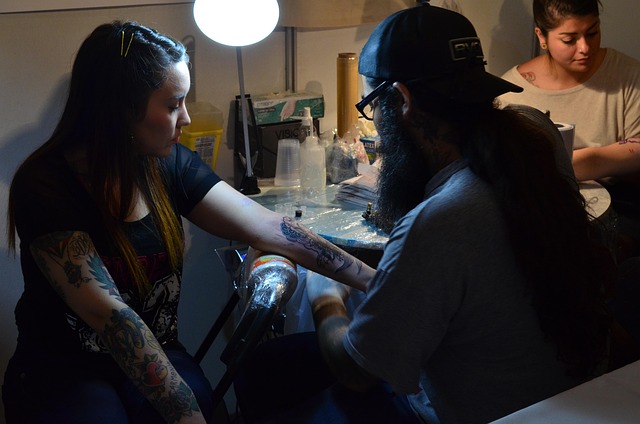
Overview of Oregon Health Authority (OHA) Regulations
The OHA defines which substances and procedures are permissible for licensed tattoo artists. It classifies topical anesthetics as medical-use products that can only be applied by qualified healthcare providers. Tattoo establishments must follow sanitation protocols covering sterilization, glove use, waste disposal, and surface disinfection. These requirements aim to prevent infection transmission and ensure safe working environments.
Legal Distinction Between Numbing Agents and Tattoo Ointments
Numbing creams contain active ingredients such as lidocaine or benzocaine that interfere with nerve signal transmission, reducing pain sensation. Because they act on neural pathways, their use is legally restricted to medical supervision under state law. In contrast, tattoo ointments are categorized as cosmetic or therapeutic products designed to moisturize and protect skin without altering sensory function. Misrepresenting an ointment as a numbing product may lead to enforcement actions including fines or license suspension under OHA regulations.
Composition and Function of Tattoo Ointments
Tattoo ointments play a crucial role in both the application process and post-tattoo healing phase. Their formulation focuses on skin care rather than anesthesia, aligning with OHA’s guidelines for non-medical use substances.
Common Ingredients in Professional Tattoo Ointments
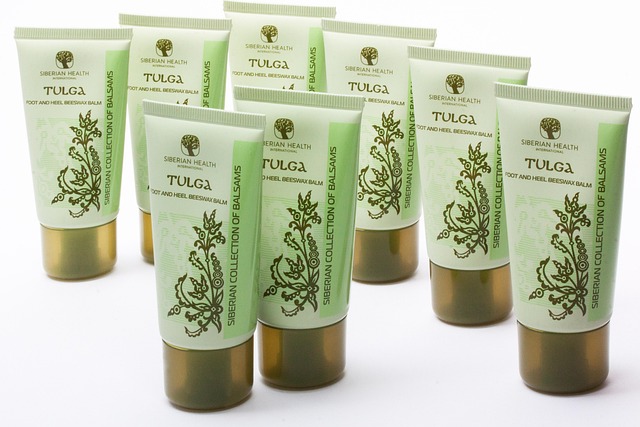
Most professional-grade tattoo ointments include petroleum jelly bases blended with vitamins A and D, beeswax, lanolin, or natural oils like olive or coconut oil. These components maintain hydration and create a breathable barrier that supports tissue recovery. They also help reduce redness and irritation but provide no numbing effect because none interact with nerve endings or sensory receptors.
Intended Use During and After Tattooing
During tattooing, artists apply a thin layer of ointment to lubricate the skin surface. This minimizes friction between the needle and epidermis while preventing excess ink buildup. Afterward, continued application helps prevent scabbing by keeping the area moist and reducing bacterial exposure. Within OHA’s framework, this therapeutic purpose distinguishes ointments from any substance intended for pain suppression.
Comparison Between Numbing Creams and Tattoo Ointments
The difference between these two product types extends beyond chemical composition—it shapes how tattoos are performed legally in Oregon.
Mechanism of Action: Anesthetic vs. Protective Barrier
Numbing creams work pharmacologically by blocking sodium channels in nerve membranes, stopping pain signals from reaching the brain. Tattoo ointments operate mechanically; they form a protective film that soothes tissue irritation but leaves sensation intact. Substituting one for the other would not only change client comfort but also breach regulatory compliance since anesthetic use requires medical authorization.
Safety Considerations for Professional Use
Topical anesthetics carry potential risks such as allergic reactions or systemic toxicity if absorbed excessively through broken skin. Improper dosing can cause dizziness or irregular heartbeat in sensitive individuals. Conversely, excessive use of heavy ointments can clog pores or interfere with ink absorption during tattooing. Following approved product lists provided by the OHA helps artists avoid contamination hazards while maintaining consistent pigment quality.
Compliance Implications for Oregon Tattoo Artists
Regulatory compliance is not optional; it defines professional credibility within Oregon’s body art community. Each licensed artist must document all materials used during procedures for inspection readiness.
Enforcement Actions Under OHA Guidelines
Using unapproved numbing agents constitutes a direct violation of health codes enforced by the OHA’s Environmental Health Licensing Program. Routine inspections may result in citations or administrative penalties ranging from monetary fines to temporary license suspension. Inspectors often review inventory logs to confirm that only compliant products like standard tattoo ointment brands are stored on-site.
Ethical and Professional Responsibilities in Pain Management
Tattoo artists must communicate clearly about what forms of pain control are legally allowed under current rules. When clients request anesthesia beyond standard comfort measures, referral to a licensed medical provider is required before any procedure begins. This transparency builds trust while protecting both parties from potential legal disputes over unauthorized substance use.
Emerging Discussions on Policy Evolution and Industry Adaptation
Although current restrictions remain firm, ongoing discussions within Oregon’s tattoo industry suggest possible reevaluation of topical anesthetic policies in future legislative sessions.
Potential Revisions in Regulatory Interpretation
Industry advocates have proposed clearer distinctions between prescription-strength anesthetics and over-the-counter formulations containing low-dose lidocaine (typically below 5%). If adopted, such revisions could allow limited topical use under defined safety protocols supervised by health authorities without compromising client safety standards established by the OHA.
Alternative Methods for Client Comfort Within Legal Boundaries
Until policy shifts occur, artists rely on lawful comfort techniques such as shorter session scheduling, guided breathing exercises, or controlled cooling applications using sterile compresses. Continuous education programs offered through professional associations emphasize compliant product handling practices that support both artistic precision and client welfare within existing legal frameworks.
FAQ
Q1: Why can’t Oregon tattoo artists use numbing creams?
A: Because numbing creams contain anesthetic ingredients classified as medical-use substances that only licensed healthcare professionals may apply under state law.
Q2: What products are allowed for use during tattooing?
A: Artists may use approved tattoo ointments formulated with petroleum bases, vitamins A & D, beeswax, or natural oils intended solely for lubrication and healing support.
Q3: Are there penalties for using unapproved numbing agents?
A: Yes, violations can lead to citations, fines, or license suspension following inspection by the Oregon Health Authority.
Q4: Do tattoo ointments reduce pain?
A: No, they do not numb nerves; their function is to hydrate skin and promote healing without altering sensation.
Q5: How can clients manage pain legally during tattoos?
A: Clients may consult medical professionals beforehand or use non-medical comfort methods like breaks or cooling compresses permitted under current regulations.