Feather Tattoo Native American Meaning vs Modern Symbolism in 2026 Trends
300 Best Tattoo Ideas for Men in 2026
Feather tattoos are among the most enduring motifs in modern body art, bridging ancient spirituality and contemporary design. For men seeking meaningful tattoos in 2026, the feather tattoo native American style stands out as both a tribute to cultural depth and a symbol of personal transformation. This design has evolved beyond tribal boundaries into a universal emblem of freedom, resilience, and artistic precision. With new techniques and ethical awareness shaping the tattoo industry, feather tattoos continue to represent a dialogue between heritage and innovation.
Cultural Roots of Feather Tattoos in Native American Traditions
Feather tattoos trace their origins to Native American spirituality, where feathers were sacred connectors between the earthly and the divine. The symbolism embedded in these designs reflects centuries of cultural wisdom and tribal identity.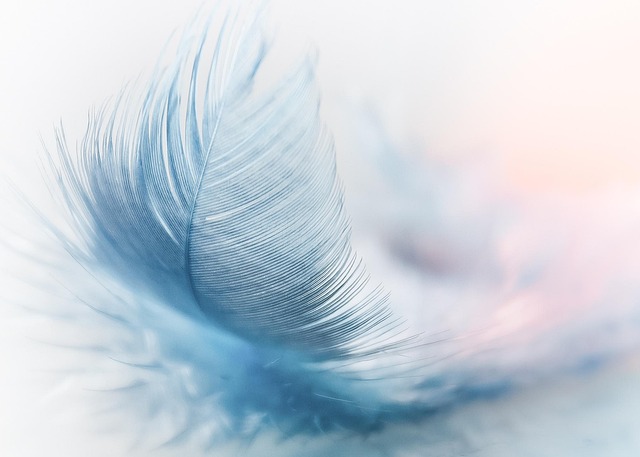
Symbolic Importance of Feathers in Tribal Heritage
In Native American heritage, feathers represented more than decoration; they embodied spiritual connection, courage, and communication with higher realms. Tribes often viewed eagle or hawk feathers as emblems of bravery and honor, reserved for warriors or leaders who demonstrated exceptional valor. Each bird carried distinct meanings—owl feathers might symbolize wisdom, while raven feathers hinted at transformation or mystery. Feathers also adorned ceremonial attire such as headdresses and prayer fans to signify rank or spiritual protection during rituals. These practices turned feathers into living metaphors for freedom and divine guidance.
The Role of Feathers in Storytelling and Identity
Among many tribes, tattoos were visual narratives that preserved lineage or personal milestones. A feather tattoo could record a warrior’s victory or express gratitude to ancestral spirits. Placement mattered: a feather on the arm might reflect physical strength, while one near the heart represented emotional courage. Traditional tattooing methods relied on natural pigments and bone tools, emphasizing harmony with nature rather than dominance over it. This ritualistic approach reinforced respect toward both the body as canvas and nature as collaborator.
Evolution of Feather Tattoo Symbolism in Contemporary Contexts
As global tattoo culture expanded, feather imagery transitioned from sacred symbolism to individual expression. Yet traces of its tribal essence remain visible even in modern reinterpretations.
Transition from Sacred Symbol to Artistic Expression
Today’s artists often reinterpret traditional motifs through abstract geometry or fine-line realism. The shift from sacred artifact to art form parallels broader cultural diffusion where indigenous symbols gain global appreciation but risk losing original context. Many designers now merge Native American influences with minimalist aesthetics—feathers rendered as single continuous lines or stylized gradients that echo digital art trends. This evolution highlights how timeless symbols adapt without erasing their roots.
Modern Interpretations of Freedom, Transformation, and Spirituality
In contemporary tattoo culture, the feather symbolizes self-liberation and transformation rather than communal belonging. Men increasingly choose feather tattoos to mark life transitions—recovering from hardship or embracing new independence. Color gradients add emotional nuance: blue tones suggest calm resilience; red implies vitality; black-and-gray palettes emphasize introspection. Minimalist outlines distill complexity into purity of form, aligning with current preferences for subtle yet meaningful inkwork.
Ethical Considerations in Using Native American Symbols in Tattoos
Modern tattoo artistry faces an ethical crossroads when drawing inspiration from indigenous cultures. Respectful adaptation requires awareness of sacred meanings behind each motif.
Cultural Sensitivity and Respectful Adaptation
Responsible artists research tribal symbolism before incorporating it into designs. Consulting indigenous practitioners helps preserve authenticity while preventing cultural appropriation. Some studios collaborate directly with Native artists who reinterpret traditional patterns within contemporary frameworks—an approach that honors both heritage and creative freedom. Ethical practice also means explaining to clients that certain symbols hold ceremonial value not meant for casual replication.
The Balance Between Inspiration and Appropriation
Distinguishing homage from exploitation remains essential for professional credibility. A transparent acknowledgment of cultural sources strengthens artistic integrity and educates clients about symbolic origins. Tattooists who contextualize their work contribute to a broader appreciation rather than commodification of indigenous art forms. This balance fosters mutual respect between tradition bearers and modern creatives.
Design Trends for Feather Tattoos in 2026
By 2026, technological advances redefine how feather tattoos are designed and executed while preserving their organic beauty.
Integration of Technology and Precision Techniques
Next-generation tattoo machines now achieve ultra-fine detailing that replicates real feather texture down to micro filaments. Digital design tools allow precise mapping over muscle contours so that each stroke aligns naturally with body movement. Some studios experiment with UV-reactive inks that reveal hidden layers under specific lighting—turning symbolic meaning into an interactive experience visible only under ultraviolet glow.
Popular Styles Influenced by Native American Aesthetics
The resurgence of indigenous-inspired aesthetics influences two dominant styles shaping 2026 trends: minimalist line work and neo-traditional fusion designs.
Minimalist Line Work with Cultural Motifs
Minimalist interpretations use clean outlines that emphasize form without excess shading. Subtle nods to tribal geometry—like chevron tips or bead-like dotwork—maintain symbolic resonance while fitting modern tastes for simplicity.
Neo-Traditional Interpretations with Tribal Patterns
Neo-traditional styles combine bold color gradients with geometric motifs reminiscent of beadwork or weaving patterns found across Plains tribes. Artists blend contemporary shading techniques with heritage-inspired symmetry to create visually balanced yet culturally mindful compositions.
Emerging Color Palettes and Placement Preferences for 2026
Color theory continues evolving alongside technology-driven pigment stability.
Trending Color Schemes
Earth tones remain foundational—ochre browns, muted greens, sand beige—but metallic accents like copper or silver now appear frequently to symbolize harmony between tradition and innovation.
Preferred Tattoo Placements Among Professionals and Enthusiasts
Shoulder blades remain favored due to natural curvature mirroring feather flow lines; forearms highlight motion when flexed; ribs appeal for intimacy since they conceal deep personal meaning beneath clothing layers.
The Future Dialogue Between Tradition and Innovation in Tattoo Artistry
Tattoo culture increasingly functions as a bridge between ancestral memory and global creativity—a dialogue sustained through collaboration rather than imitation.
Preserving Ancestral Symbolism Amid Globalization Trends
Partnerships between indigenous elders and contemporary artists safeguard symbolic accuracy while allowing stylistic experimentation. Workshops focusing on traditional storytelling through ink help younger generations rediscover heritage within modern frameworks.
The Role of Professional Tattooists in Cultural Education
Professional tattooists now act not only as artisans but educators guiding clients through historical context before needle meets skin. Their expertise transforms each session into both aesthetic creation and cultural exchange—a dual role crucial for sustaining authenticity amid rapid globalization pressures.
FAQ
Q1: What does a feather tattoo native american design typically symbolize?
A: It often represents spiritual connection, freedom, bravery, or communication with higher realms depending on tribal interpretation.
Q2: Is it appropriate for non-Native individuals to get Native-inspired feather tattoos?
A: Yes, if approached respectfully through research or collaboration with indigenous artists who can provide cultural context.
Q3: Which placement best suits detailed feather tattoos?
A: Shoulder blades or forearms allow natural alignment with muscle flow enhancing realism in motion.
Q4: What color palettes will dominate feather tattoos in 2026?
A: Earth tones blended with metallic highlights like bronze or silver reflecting balance between nature and technology trends.
Q5: How can artists avoid cultural appropriation when designing these tattoos?
A: By acknowledging origins openly, consulting cultural experts, and avoiding sacred motifs reserved for specific ceremonies.