What Do the Types of Tattoo Styles Reveal About the 3 Top Trends in 2025
These Are 3 Top Tattoo Trends in 2025
Tattoo culture in 2025 reflects a refined balance between artistic heritage, minimalism, and technological innovation. The most prominent types of tattoo styles—minimalist fine line, neo-traditional illustrative, and tech-inspired bio-digital—show how the art form evolves alongside social and technological shifts. Each trend tells a story about modern identity: people seek tattoos that are not only visually striking but also conceptually meaningful. As artists adopt digital tools and new inks while honoring cultural roots, tattooing becomes an advanced visual language that merges craft with technology.
The Evolution of Tattoo Styles Leading to 2025
The journey toward 2025 has been marked by rapid cultural exchange and digital acceleration. Tattoos are no longer confined by geography or tradition; they exist in a global dialogue where style, symbolism, and technique continuously merge.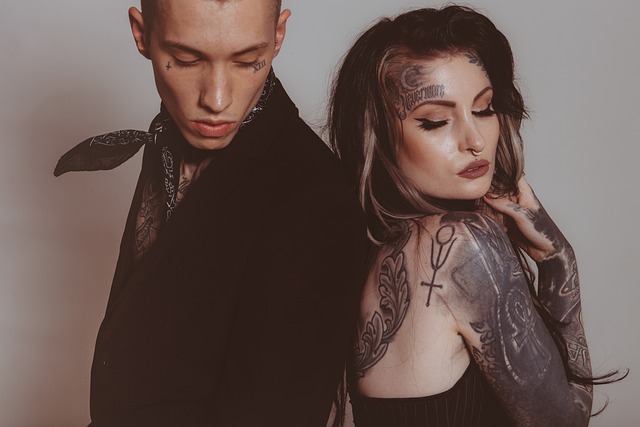
Shifting Cultural Influences on Tattoo Art
Globalization and social media have amplified the cross-pollination of artistic influences. A Japanese wave motif may blend with Scandinavian minimalism or Polynesian geometry within a single design. This hybridization shows how cultural symbolism fuses with modern aesthetics to create new visual dialects. Artists increasingly revisit traditional tattooing roots while applying contemporary design philosophies such as negative space composition or abstract realism. The result is a field that respects heritage yet thrives on reinvention.
Technological Advancements and Their Impact on Tattoo Techniques
Digital transformation has redefined tattoo execution. Precision tools like rotary machines with adjustable stroke lengths allow smoother gradients and cleaner lines than older coil models. Artists now employ digital sketch tablets to plan intricate compositions before touching skin. AI-assisted design platforms let clients preview tattoos in real time using augmented reality filters—a process that enhances collaboration and reduces miscommunication. Meanwhile, innovations in ink chemistry extend color longevity while minimizing allergic reactions, signaling a more sustainable future for body art.
The Rise of Minimalist and Fine Line Tattoos
Minimalism’s rise is not just aesthetic—it mirrors broader lifestyle values emphasizing subtlety, clarity, and intention. As workplaces grow more inclusive yet image-conscious, discreet tattoos become both acceptable and desirable forms of personal storytelling.
Characteristics Defining the Minimalist Style
Minimalist tattoos focus on simplicity through clean lines and precise detailing rather than heavy shading or elaborate color schemes. They often use monochromatic palettes, relying on form over chromatic complexity to convey meaning. Popular motifs include geometric shapes, botanical outlines, or small symbolic icons placed strategically on wrists or collarbones. This style appeals to clients who value quiet sophistication—a statement that whispers rather than shouts.
Why Minimalism Dominates the 2025 Tattoo Scene
Minimalism dominates because it reflects the era’s preference for understated luxury and intentional living. In an age saturated with information, people gravitate toward designs that embody restraint and mindfulness. Corporate environments also favor tattoos that can be easily concealed yet remain personally significant. Moreover, digital culture’s obsession with clean interfaces translates into visual preferences for refined aesthetics on the body as well as on screens.
The Expansion of Neo-Traditional and Illustrative Styles
While minimalism captures modern restraint, neo-traditional tattoos celebrate boldness through narrative depth and vivid color work. This expansion represents a return to storytelling—a counterbalance to minimalism’s quiet tone.
Evolution from Classic to Neo-Traditional Approaches
Neo-traditional styles evolved from classic American traditional designs known for thick outlines and limited palettes. Modern artists retain those strong foundations but introduce complex shading techniques borrowed from illustration and graphic design disciplines. Layered compositions create dimensionality; dynamic color gradients replace flat hues; symbolic imagery gains emotional nuance. This evolution keeps the spirit of old-school tattooing alive while aligning it with current artistic sensibilities.
Symbolism and Storytelling in Modern Tattooing
Tattoos increasingly serve as personal narratives rather than mere decoration. A phoenix rendered in illustrative realism might symbolize rebirth after hardship; a stylized compass could represent direction or purpose. Illustrative styles allow deeper emotional resonance because they translate internal experiences into visual metaphors. Many clients seek custom pieces integrating mythological or surreal motifs—an indication that tattoos now function as wearable literature for a visually literate generation.
The Emergence of Tech-Inspired and Bio-Digital Tattoos
As technology permeates every aspect of life, it naturally enters tattoo artistry too. The fusion between human biology and digital design opens an entirely new aesthetic frontier.
Fusion of Technology with Body Art Expression
Tech-inspired tattoos mimic circuitry patterns, data streams, or augmented reality interfaces etched onto skin like futuristic armor. These designs echo society’s growing integration between physical identity and digital existence—from fitness trackers to neural interfaces. Some experimental artists explore UV-reactive inks that glow under blacklight or conductive pigments capable of interacting with electronic devices, hinting at functional body modifications beyond aesthetics.
Implications for the Future of Tattoo Innovation
This intersection blurs boundaries between art, science, and wearable technology. It raises ethical discussions about permanence in an era defined by rapid digital change: if hardware updates yearly, what happens when your skin becomes part of the interface? Yet such experimentation points toward a future where tattoos might double as biometric signatures or interactive displays—proof that body art continues evolving alongside human innovation.
Interpreting the Broader Meaning Behind 2025’s Top Tattoo Trends
The convergence of minimalism, neo-traditional storytelling, and tech-driven experimentation reveals much about how people construct identity today.
What These Styles Reveal About Contemporary Identity Construction
Tattoos have evolved from personal adornment into layered identity markers reflecting both individuality and collective culture. The balance between simplicity, tradition, and technology expresses modern duality: humans seek authenticity amid digital complexity. Artistic innovation mirrors this tension—each needle stroke negotiating between permanence and transformation in an age defined by both memory and code.
FAQ
Q1: What are the most popular types of tattoo styles in 2025?
A: The leading types include minimalist fine line work, neo-traditional illustrative designs rich in symbolism, and emerging tech-inspired bio-digital concepts blending art with technology.
Q2: Why are minimalist tattoos so popular now?
A: They align with societal preferences for subtle self-expression and professional adaptability while reflecting minimalist design trends seen across fashion and architecture.
Q3: How has technology changed tattooing techniques?
A: Digital sketch tools, AI preview systems, precision machines, and advanced ink formulations have improved accuracy, safety, and customization options for both artists and clients.
Q4: Are tech-inspired tattoos functional?
A: Some experimental projects use UV-reactive or conductive inks capable of light interaction or touch response; however, most remain artistic explorations rather than fully functional devices.
Q5: Do traditional tattoo styles still matter in 2025?
A: Absolutely—they provide historical depth and technical discipline that continue influencing modern variations like neo-traditional work where classic craftsmanship meets contemporary vision.