
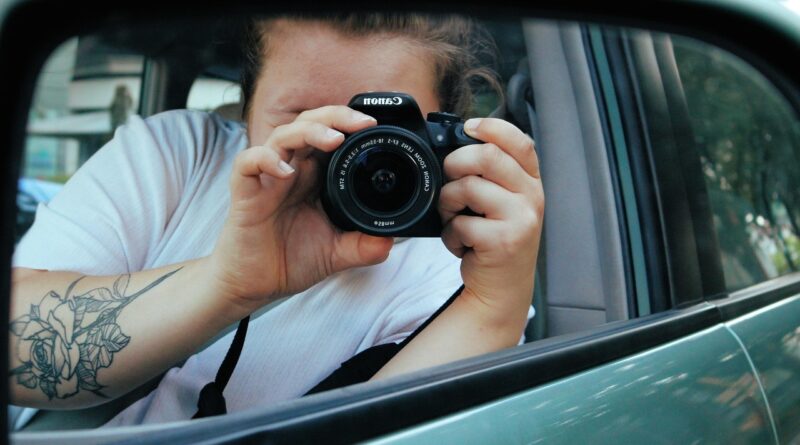
Black and grey tattoo style guide for shading, realism, and design choices
What is a black and grey tattoo?
A black and grey tattoo is built with black ink, diluted washes, negative space, and tonal contrast rather than a broad color palette. Depending on the artist’s line weight, shading, and use of skin breaks, the result can feel soft, realistic, dramatic, or graphic. The style is widely used for portraits, religious imagery, memorial tattoos, roses, animals, statues, skulls, scripts, sleeves, and large narrative compositions.
American sources often write the term as “black and gray,” while “black and grey tattoo” is also common in global search and studio language. The meaning is the same: the artist creates a range from deep black to pale grey through black pigment, dilution, layering, needle choice, and contrast planned around the client’s skin tone. For readers comparing this approach with other tattoo styles, the main difference is that black and grey focuses on value, texture, and light instead of color harmony.
Where the style comes from
Black and grey tattooing is often understood through two linked histories: technical limitation and cultural expression. Public materials from the Natural History Museum of Los Angeles County have traced the evolution of black-and-gray tattooing from early Pachuco and Chicano tattoos, through single-needle work in correctional settings and East Los Angeles street culture, into a global tattoo language. PBS SoCal and NPR reporting have also highlighted the Chicano roots of black and grey realism, especially the role of artists such as Freddy Negrete in bringing the look from prison-influenced practice into professional tattoo shops.
That background matters because the style is not just a neutral aesthetic. Many recognizable elements, including fine-line script, praying hands, roses, payasa faces, Catholic iconography, lowrider references, and family memorial lettering, are tied to Mexican-American and Chicano visual culture. A client can appreciate the look without copying symbols they do not understand, but stronger designs usually come from respect for context, clear personal meaning, and an artist who understands the style’s visual language.
Over time, black and grey expanded well beyond its early cultural setting. Today it includes soft realism, statue work, dark surrealism, microrealism, ornamental sleeves, botanical designs, horror imagery, and minimalist pieces. Because the term is now broad, a productive consultation should identify the substyle rather than simply asking for “black and grey.”
How black and grey differs from nearby tattoo styles
Tattoo searches often use overlapping terms, which can make style selection confusing. Black and grey is a color approach and tonal method. Realism, fine line, Chicano, illustrative, and blackwork describe different visual traditions or technical priorities. A black and grey tattoo can be realistic, but not every black and grey tattoo is realism. It can use fine lines, but fine line tattoos can also be minimal, ornamental, or symbolic with little shading.
| Style term | Main focus | How it relates to black and grey |
|---|---|---|
| Black and grey | Value, shading, contrast, and tonal range | Uses black pigment and grey tones instead of full color |
| Blackwork | Solid black areas, pattern, geometry, or graphic impact | May include grey shading, but often relies on dense black shapes |
| Fine line | Thin lines, delicate detail, and light visual weight | Can be black and grey, but may have little or no shading |
| Black and grey realism | Photographic depth, smooth transitions, lifelike texture | A subcategory that demands strong value control |
| Chicano style | Cultural imagery, script, lowrider aesthetics, religious and family themes | Historically central to the development of black and grey tattooing |
The practical takeaway is to bring references that show both subject matter and finish. A photo-realistic lion, a soft rose, a gothic sleeve, and a Chicano script chest piece may all be black and grey, but they require different line work, spacing, and artist specialization.
Design subjects that work especially well
Black and grey works best when the subject benefits from light, shadow, and texture. Because the style depends on value rather than hue, strong source imagery is important. Blurry references, weak contrast, or too many tiny details packed into a small area can limit the final result.
Portraits and memorial tattoos
Portraits are one of the best-known uses of black and grey realism. The absence of color can give faces a timeless, photographic quality, but it also leaves little margin for error. The artist has to capture structure, expression, and contrast through careful shading. For memorial tattoos, clients should use a clear, high-resolution photo with natural lighting and avoid asking the artist to combine too many images into a small design.
Religious, classical, and statue-inspired imagery
Angels, saints, Greek and Roman statues, cathedral details, and praying hands often suit black and grey because stone, shadow, fabric folds, and dramatic lighting translate well into monochrome. These subjects can look especially strong on larger placements such as the upper arm, forearm, thigh, chest, or back, where the artist has room for gradients and readable detail.
Animals, skulls, flowers, and nature
Animals with fur, feathers, scales, or strong facial planes can work well in black and grey. Roses, peonies, leaves, snakes, moths, wolves, tigers, ravens, and skulls are popular because they allow contrast between soft shading and crisp focal points. The best designs do not shade everything equally; they use dark anchors, midtones, and open skin to guide the eye.
Script and lettering
Lettering can be central to black and grey design, especially in Chicano-influenced work. Script must be sized for long-term legibility. Very small loops, tight spacing, and thin strokes may look elegant on a stencil but can blur as the tattoo settles over the years. A skilled lettering artist will adjust spacing and thickness so the piece still reads after healing.
Planning placement, scale, and contrast
Black and grey tattoos usually benefit from adequate size. Smooth shading needs room to transition, and tiny realism often loses detail faster than a larger piece with simpler value blocks. This does not mean every design has to be a sleeve, but the design should match the body area. A detailed portrait that works on the upper arm may not work as a two-inch wrist tattoo.
Placement also affects how the tattoo moves and heals. Forearms and calves provide relatively visible, readable surfaces. Ribs, stomach, elbows, knees, and inner arms can distort more with motion or be harder to heal because of friction. Hands, fingers, and feet are high-wear areas where soft grey details may fade unevenly. If the design depends on subtle transitions, a more stable placement is usually worth considering.
Contrast is the main design tool. A common mistake is asking for a tattoo that is “soft” everywhere. Fresh soft shading can look beautiful, but a tattoo still needs enough dark structure to remain readable after the skin heals and ages. The most durable black and grey pieces usually combine deep blacks, midtone shading, intentional highlights, and negative space. Without that range, the tattoo can become flat.
Skin tone should be part of the design discussion. Black and grey can work across many skin tones, but the artist must plan contrast around the client’s natural undertone and healed visibility. On deeper skin, very pale grey may not create enough separation, so bolder value choices and larger shapes can improve readability. On very fair skin, soft shading may show clearly at first but still needs structure to age well.
How black and grey tattoos age
No tattoo remains exactly as it looked on the day it was finished. Lines can soften, fine details can spread slightly, and pale grey tones can lighten as the tattoo heals and settles. Black and grey tattoos are often valued for aging gracefully, but that depends on design choices, artist technique, placement, aftercare, and sun exposure.
Aging tends to be better when the piece has clear contrast, enough scale, and a composition that does not rely on microscopic detail. Large black and grey roses, portraits with strong shadows, and statue designs with open highlights often stay readable because the viewer can still understand the main shapes even if small textures soften. By contrast, tiny faces, dense sleeve fillers, and ultra-light micro details may lose clarity faster. See also: tattoo care.
Sun exposure is another major factor. Ultraviolet light can affect tattoo appearance over time, and black and grey pieces are not exempt simply because they lack bright color. Keeping healed tattoos protected from heavy sun exposure helps preserve contrast. This is especially important for exposed placements such as forearms, hands, neck, and calves.
Touch-ups are sometimes part of the long-term process, but they should not be treated as a substitute for good planning. A design that is too small, too pale, or too crowded cannot always be fixed cleanly later. The better approach is to build the right amount of contrast from the beginning.
Safety, aftercare, and healing considerations
Black and grey tattoos are still tattoos, so the same safety principles apply as with color work. The FDA explains that tattoos are created by inserting ink into the skin with needles or other equipment that pierces the skin, and it has warned that infections can result from unhygienic practices, non-sterile equipment, or contaminated ink. FDA safety notices have also identified cases where tattoo inks were contaminated with microorganisms, reinforcing why sterile practice and reputable studios matter.
Clients should look for a licensed studio where artists use single-use needles, proper barriers, clean workstations, sealed ink handling practices, and written aftercare instructions. Dilution is especially relevant to black and grey because grey wash involves creating lighter tones from black ink. Safe studios use appropriate sterile products and controlled procedures rather than unsafe shortcuts.
The American Academy of Dermatology notes that some redness, soreness, clear fluid, itching, flaking, and scabbing can be part of normal tattoo healing. Warning signs are different: spreading redness, worsening pain, fever, chills, pus, open sores, or painful bumps may indicate infection and should be evaluated by a medical professional. Allergic reactions can also appear immediately or much later, even after a tattoo seems healed.
- Follow the artist’s written aftercare instructions rather than mixing advice from multiple sources.
- Keep the fresh tattoo clean and avoid soaking it in pools, tubs, lakes, or oceans during early healing.
- Do not pick scabs, over-moisturize, or scratch peeling skin.
- Avoid direct sun on a healing tattoo.
- Contact a healthcare professional if symptoms worsen instead of gradually improving.
Aftercare cannot turn a weak tattoo into a strong one, but poor healing can damage even excellent work. For black and grey tattoos, rough healing may break up smooth gradients or cause patchy light areas, so patience during the healing window is part of protecting the design.
How to choose the right artist
The key decision is not whether black and grey is a good style in general; it is whether a specific artist is good at the exact type of black and grey tattoo you want. Review healed photos when available, not only fresh images. Fresh tattoos often look darker, sharper, and glossier than healed work. Healed examples show whether the artist’s gradients settle smoothly and whether details remain readable.
Look for consistency in the artist’s portfolio. If you want a realistic portrait, choose someone who regularly does realistic faces, not just general black tattoos. If you want Chicano lettering, choose an artist with strong script spacing and cultural fluency. If you want a soft botanical piece, look for healed florals with clean edges and balanced contrast.
A strong consultation should cover reference images, placement, size, skin tone, number of sessions, healing expectations, and any details that may need to be simplified. Be cautious if an artist agrees to shrink a complex portrait or sleeve concept without explaining the trade-offs. Good tattooing often involves editing the idea so it works on skin, not simply copying every detail from a screen.
Frequently asked questions
Do black and grey tattoos use only black ink?
Traditional black and grey work is based on black ink diluted into different grey washes, along with negative space and shading technique. Some modern artists may use opaque greys or white highlights in certain approaches, but the classic look depends mainly on black pigment and tonal control.
Are black and grey tattoos cheaper than color tattoos?
Not necessarily. Price depends on artist experience, location, size, complexity, placement, and session time. A large black and grey realism sleeve can require more planning and time than a simple color design. It is better to compare portfolios and estimates than assume monochrome means cheaper.
Do black and grey tattoos hurt less?
The style alone does not determine pain. Placement, session length, needle grouping, shading density, and personal tolerance matter more. Large areas of smooth shading can still feel intense, especially on ribs, inner arms, knees, elbows, or other sensitive areas.
Can black and grey tattoos be covered with color later?
Sometimes, but it depends on how dark and dense the original tattoo is. Deep black areas are difficult to cover with lighter colors. If you think you may want color later, discuss that before starting so the artist can plan the design with future options in mind.
Is black and grey a good choice for a first tattoo?
It can be. Black and grey is versatile, readable, and suitable for many subjects. For a first tattoo, choose a clear design, a stable placement, and an artist whose healed work matches the style you want. Avoid making the piece too small if it includes faces, lettering, or detailed shading.
Final thoughts
A black and grey tattoo succeeds when the concept, scale, placement, and shading strategy work together. Its appeal comes from restraint: no color distractions, only light, shadow, texture, and meaning. That simplicity can make the style look timeless, but it also exposes weak planning. Choose an artist who understands tonal range, bring references with clear contrast, respect the cultural roots of any imagery you borrow from, and treat aftercare as part of the artwork. With those choices in place, black and grey can be one of the most adaptable and enduring approaches in modern tattooing.