
How Does Tattoo Lotion Influence Proper Aftercare for Long-Lasting Ink
Proper Aftercare Can Help Your New Tattoo Last Longer
A tattoo’s longevity depends less on the artist’s skill than on how the skin heals afterward. Proper aftercare, particularly the use of a well-formulated tattoo lotion, preserves pigment clarity, prevents infection, and supports skin recovery. The right product maintains hydration and protects the epidermal barrier without suffocating it. When applied with consistency and moderation, lotion use can extend the vibrancy of a tattoo for years. For professionals, understanding ingredient interactions and application timing is as critical as ink selection itself.
The Role of Tattoo Lotion in Aftercare?
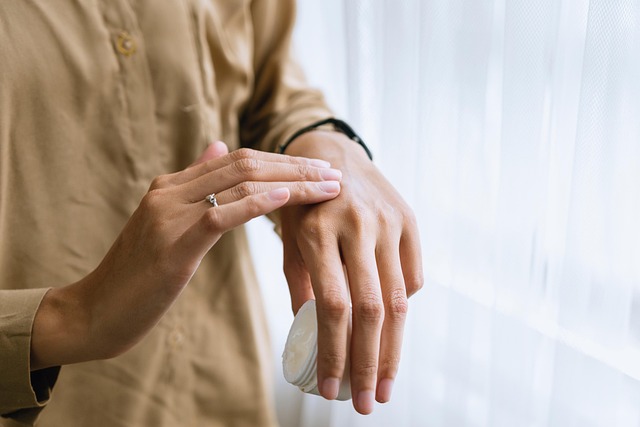
Tattoo lotion is more than a moisturizer; it functions as a controlled environment for dermal recovery. It balances moisture, limits inflammation, and shields against environmental stressors that can compromise pigment stability.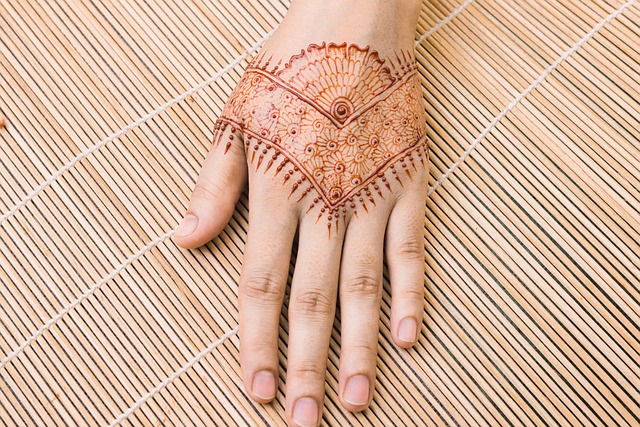
The Science Behind Tattoo Healing
After tattooing, skin experiences microtrauma that triggers inflammation followed by tissue regeneration. During this period, maintaining hydration is essential because dry skin can cause scabbing that pulls pigment from healing layers. A professional-grade tattoo lotion provides a semi-occlusive barrier that retains moisture while allowing oxygen flow, which accelerates epithelial repair. This balance supports pigment stabilization and minimizes color loss.
Composition of Professional Tattoo Lotions
Professional formulations typically combine emollients such as shea butter or jojoba oil with humectants like glycerin or panthenol to attract water into the stratum corneum. Anti-inflammatory agents—often derived from natural sources such as aloe vera or bisabolol—help calm irritation. Most avoid alcohols or synthetic fragrances that could provoke allergic responses or delay healing. The key lies in achieving equilibrium between occlusivity and breathability so the skin remains moist but not overly saturated.
The Impact of Tattoo Lotion on Ink Longevity?
Tattoo longevity depends heavily on how well hydration and protection are maintained during and after healing. A consistent skincare routine using suitable lotions helps prevent premature fading and keeps ink lines crisp over time.
Moisture Retention and Pigment Stability
Hydrated skin heals evenly. When moisture levels drop, flaking intensifies and pigment particles may shed with dead cells. Consistent use of tattoo lotion reduces scab formation, allowing pigments to lock into place within the dermis. However, excessive application can be counterproductive—too much occlusion may soften scabs excessively and disturb pigment settling. Professionals often advise thin layers applied multiple times daily rather than heavy coats once or twice.
Preventing Oxidative Damage and Skin Degradation
Tattooed skin faces oxidative stress from UV radiation and pollution that breaks down both collagen fibers and pigment molecules. Lotions enriched with antioxidants like vitamin E or green tea extract neutralize free radicals before they cause visible fading. For outdoor exposure, SPF-infused lotions provide an added layer of defense against UV-induced oxidation. Long-term maintenance routines combining moisturization with sun protection preserve both color saturation and epidermal health.
Selecting an Appropriate Tattoo Lotion for Professional Use?
Choosing the right tattoo lotion requires understanding dermatological compatibility, ingredient synergy, and how different skin types respond to various textures.
Evaluating Ingredients for Dermatological Compatibility
Non-comedogenic products reduce pore blockage risks while hypoallergenic formulas lower sensitivity reactions—crucial for freshly tattooed areas prone to irritation. Natural oils such as jojoba mimic sebum composition, supporting barrier repair without clogging pores. Shea butter offers sustained emolliency ideal for dry regions but should be balanced with lighter components to maintain oxygen exchange. Petroleum-heavy bases may trap heat and bacteria under the surface; thus many modern formulations opt for silicone derivatives or plant waxes instead.
Tailoring Lotion Choice to Skin Type and Tattoo Placement
Each client’s physiology dictates product choice. Oily complexions often prefer water-based gels that absorb quickly without leaving residue. Conversely, individuals with dry or reactive skin benefit from thicker creams containing ceramides or fatty acids for prolonged hydration. Tattoos placed on high-friction zones—like wrists or ankles—require frequent reapplication since mechanical rubbing accelerates moisture loss.
Application Techniques for Optimal Aftercare Outcomes?
Technique influences results as much as formulation quality does. Proper timing ensures maximum absorption while preventing interference with natural healing processes.
Timing and Frequency of Lotion Application
Initial application should occur once plasma exudation subsides—typically within 24 hours post-procedure—when the surface feels slightly taut but no longer wet. From then on, moderate reapplication two to three times daily maintains elasticity without oversaturation. Environmental conditions matter: dry climates demand more frequent moisturizing than humid ones where natural perspiration aids hydration balance.
Integrating Lotion Use with Broader Aftercare Practices
Lotion alone cannot guarantee flawless recovery; it must complement hygienic cleansing routines using mild antibacterial soaps free from sulfates or alcohols. Once initial crusting resolves, avoid occlusive wraps so air circulation supports epithelial turnover. Continued care even months later keeps tattoos sharp by preventing chronic dryness that dulls ink edges over time.
Advancements in Tattoo Lotion Formulation Technology?
Recent developments in cosmetic science have transformed tattoo aftercare products into bioactive treatments supporting regenerative functions beyond simple moisturization.
Bioactive Ingredients Supporting Regeneration
Next-generation lotions incorporate peptides that signal fibroblasts to rebuild collagen networks disrupted during tattooing. Ceramides strengthen lipid barriers while panthenol accelerates keratinocyte proliferation for faster closure of microlesions. Some emerging formulations feature probiotics designed to restore healthy microbiota balance disturbed by antiseptics used during procedures—a subtle but meaningful innovation improving long-term skin resilience.
Sustainable and Ethical Trends in Product Development
The professional market increasingly favors vegan, cruelty-free compositions aligned with global ethical standards like ISO 16128 guidelines for natural ingredients classification (ISO). Manufacturers now prioritize biodegradable emulsifiers derived from renewable sources such as sugarcane or coconut oil esters. Packaging improvements—airless pumps or sealed tubes—limit contamination risks while extending shelf life without harsh preservatives.
FAQ
Q1: How soon after getting a tattoo should lotion be applied?
A: Apply once the area stops oozing plasma, usually within 24 hours post-session, ensuring the surface is clean and slightly dry before use.
Q2: Can regular body lotion replace specialized tattoo lotion?
A: Standard lotions often contain alcohols or fragrances unsuitable for healing wounds; specialized tattoo lotions are formulated specifically to protect new ink without irritation.
Q3: What happens if too much lotion is used?
A: Over-moisturizing can block airflow, soften scabs prematurely, and cause uneven pigment retention leading to patchy color results.
Q4: Are SPF products necessary even after full healing?
A: Yes, UV rays degrade pigments over time; daily SPF protection significantly slows fading regardless of healing stage.
Q5: How long should one continue using tattoo lotion?
A: Regular use should extend beyond initial healing—ongoing moisturization maintains elasticity and prevents long-term dullness of ink colors.